
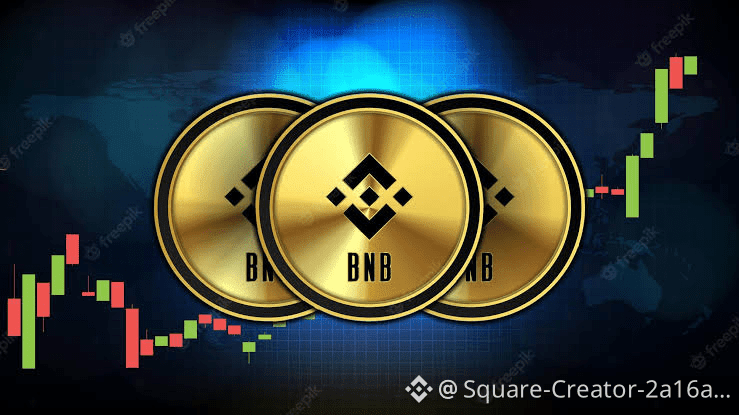
Cryptocurrency trading involves buying and selling virtual currencies such as Bitcoin and Ethereum, aiming to profit from price fluctuations in decentralized markets based on blockchain technology. It is characterized by high volatility and significant risks, requiring a solid understanding of technical and fundamental analysis and familiarity with its tools. Legal and regulatory risks should also be considered. While this process offers an opportunity for quick profits, it is a double-edged sword that demands careful risk management, especially with complex financial instruments like leverage.
What are digital currencies?
They are decentralized, encrypted virtual currencies that are not issued by central banks, relying on a peer-to-peer network and blockchain technology to securely and immutably record transactions.
How is trading done?
Buying and selling: Buying the currency when expecting its price to rise and selling it when it rises, or selling it (short selling) when expecting its price to fall to profit from the decline, according to trading platforms (such as eToro or NAGA).
Analysis: Traders rely on technical analysis (such as support and resistance levels) and fundamental analysis to understand market movement.
Instruments: Trading occurs through specialized platforms using digital wallets to store currencies or Contracts for Difference (CFDs) that use leverage to increase profits and losses, significantly increasing risks.
Risks and challenges
Extreme volatility: Prices change very rapidly, causing substantial losses.
Decentralization and risks: The absence of a central regulatory authority makes the market susceptible to speculation and hacking, complicating error correction.
Complexity: Requires deep knowledge and understanding of the market and technology.
The legal aspect: its ruling differs according to different sects and legal controls, and some have considered it gambling or money that involves uncertainty (ignorance).
Who is it suitable for?
People who prefer high risk and adventure.
Traders who aim for short-term profit (day trading) or long-term (investment).
Investors who are looking for alternatives to traditional assets and wish to diversify their investment portfolios.