

Recently, many news articles have focused on information regarding the Ethereum staking queue, and I casually wrote an article to share some insights.
From the perspective of personal understanding regarding the macro impact of Ethereum (mixed with factors like ETFs and policies), the main role of staking is to serve as a hedging measure against future declines in ETH prices, ensuring that there are still stable income returns even when prices drop (whether through validator staking or participating in DeFi, such as Lido or AAVE).
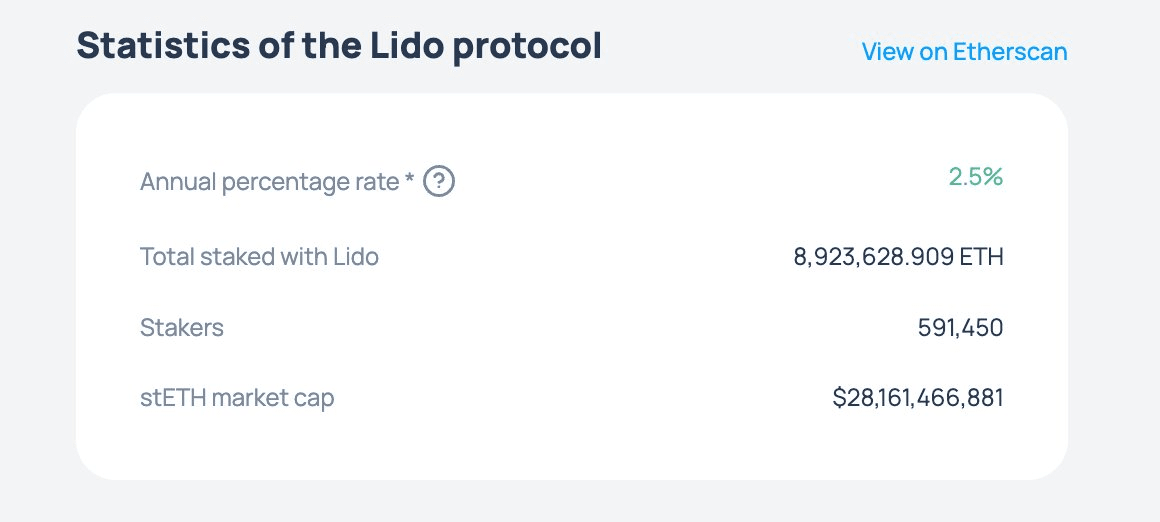
According to the returns currently provided on the official Lido page, if a stable annualized return of 2.5% can be achieved, it is indeed a good choice for most people who are dollar-cost averaging into ETH.
Returning to the staking queue information, the amount of ETH entering staking is 2,155,260 (waiting 37 days), and the amount of ETH exiting staking is 704 (waiting 18 minutes).
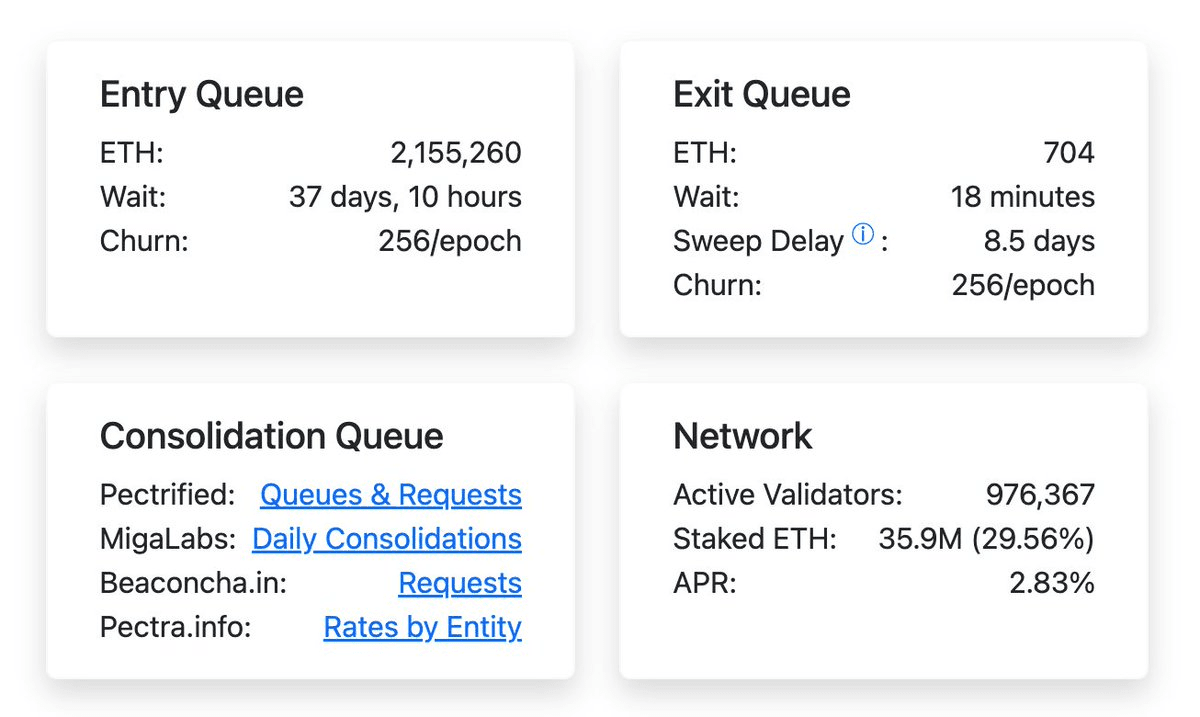
Overall, the number of users choosing to stake exceeds the number of those opting out, by nearly 3000 times. Based on my understanding at the beginning of the article, the number of users currently seeking to hedge against future ETH price drops is enormous.
Let's compare the amount of staking (entry/exit) with the ETH price trend over the past year:
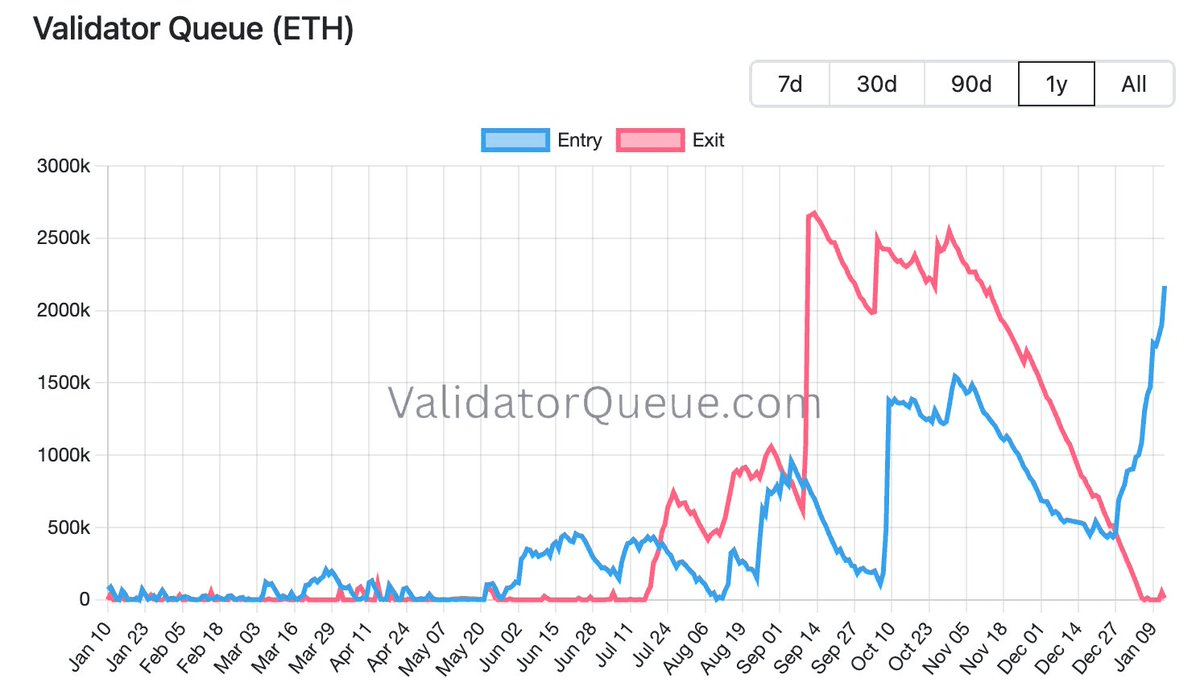
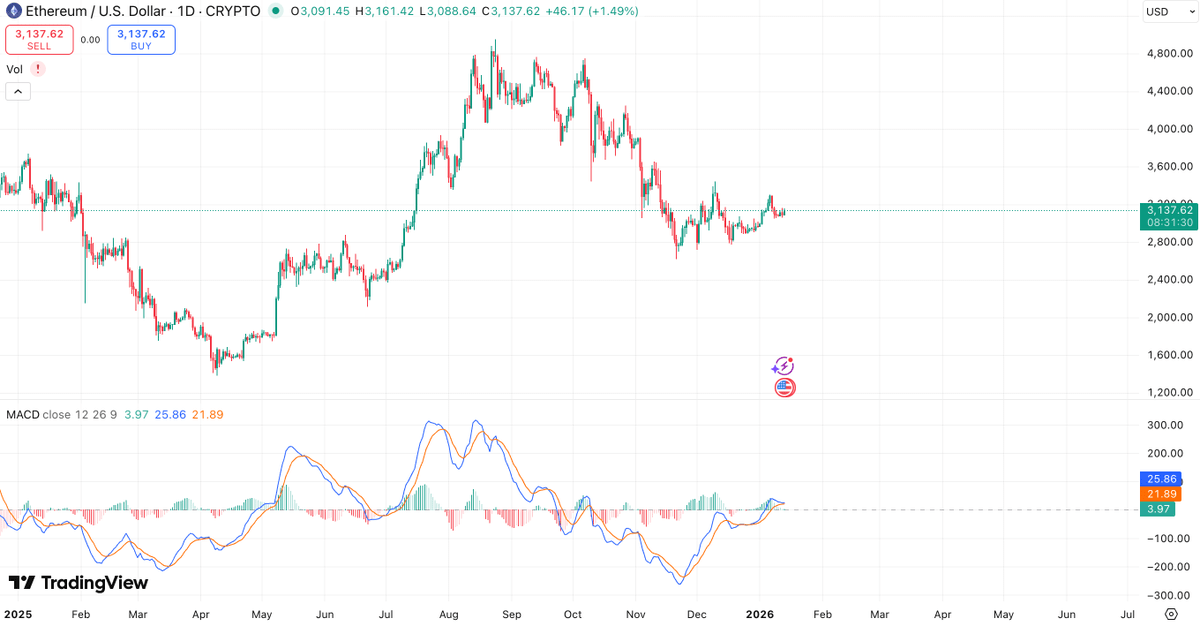

The price of ETH reached two peaks between August and September 2025, with the number of ETH staked exits reaching 1,000,000 at the end of August and even exceeding 2,500,000 in mid-September.
After that, the number of exits gradually decreased, the price of ETH fell, and then there was an explosive growth in the number of staking.
Considering the current macroeconomic impacts, I believe policies such as the Clarity Act will be the primary price drivers. The Clarity Act (Digital Asset Market Clarity Act) is indeed scheduled for a Senate Banking Committee meeting on January 15, 2026, at 10:00 AM ET, for revisions. This bill passed the House of Representatives on July 17, 2025. If a revised version passes the January 15th meeting, the bill will be submitted to the full Senate for a vote. If ultimately approved by the Senate, the bill could become law by mid-2026.
My personal opinion on this is: to wait and see how the deliberation of the bill progresses.
If passed, it will bring a small boost to the overall cryptocurrency market, but this will be diluted over time. In my opinion, the price drop after dilution may be far greater than anyone expects. We need to wait until the positive price information has been diluted before we start allocating to cryptocurrency-related assets. The cryptocurrency market will only really take off after Trump signs it and it becomes law.
If it fails to pass, the market price may bottom out, and you can start investing on dips and wait for the next positive news.
Final statement: DYOR
This article represents only my personal opinion; likes, shares, and discussions are welcome.