

This article (published on 23/12/2025) explains why most New Year's resolutions fail (80-90% according to research), and suggests a deeper change by focusing on changing oneself (identity) rather than just external actions.
- The author says that you don’t need a new life, but a new way of thinking to see everything differently.
=> The article is divided into 7 main ideas on how to change behavior, mindset, and productivity, ending with a plan to "reset" your life in just 1 day. Here is a summary:
I. You haven't achieved what you want because you haven't become the person who will achieve it.
- Goals fail because they only focus on actions (the secondary part) while ignoring self-change (the primary part). For example: A successful CEO does not need "discipline" to work, because that lifestyle is already a part of them.
- To get the desired results, you must live the lifestyle that leads to those results before achieving them, and maintain it. Otherwise, you will revert to the old ways.
- When changing yourself, you will find bad habits become "uncomfortable", as you realize their consequences more clearly.
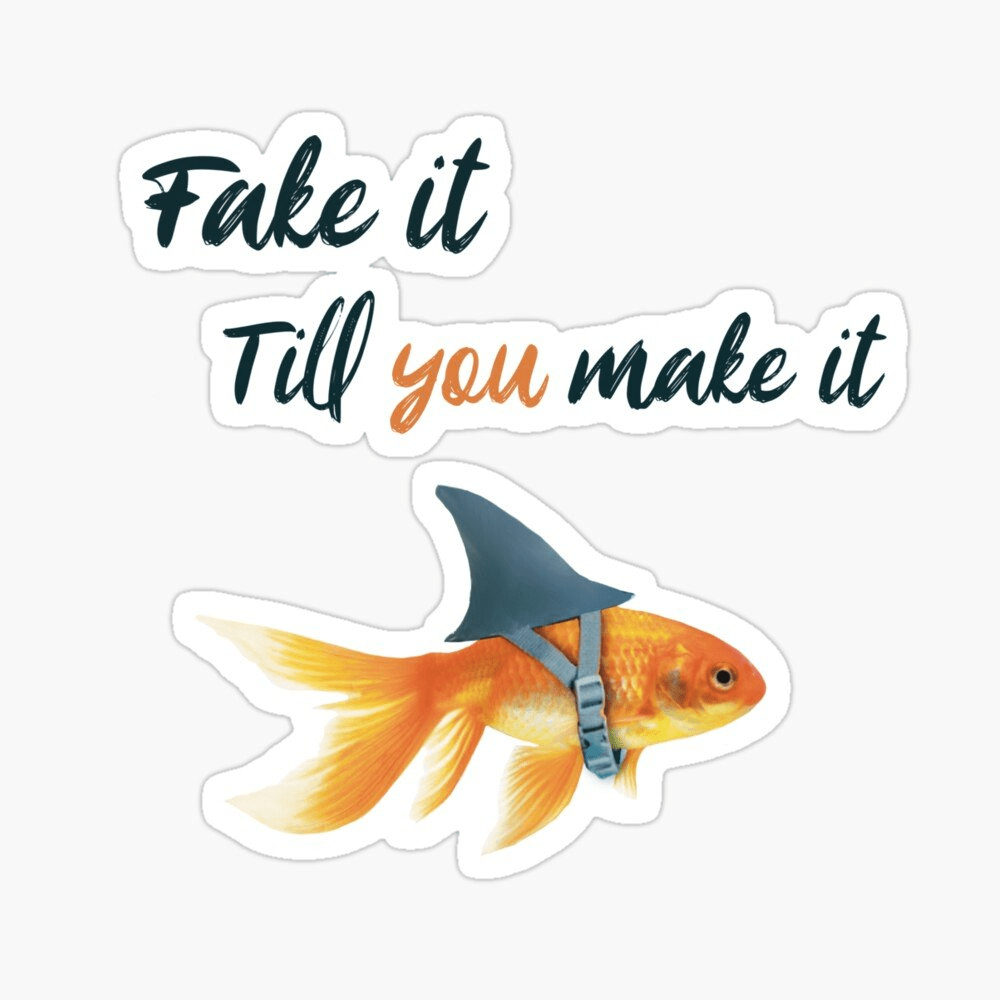
=> This reminds me of some principles in "Good to Great" or the idea of "Fake it till you make it", like you have to think of yourself as someone who speaks good English and try to speak a lot until you actually become skilled...
II. You haven't achieved what you want because you don't actually want it.
- Every action is directed towards a goal, but most are unconscious goals. For example: Procrastination is not due to a lack of discipline, but to protect oneself from criticism when completing a task.
- Actions reveal true goals (according to Alfred Adler: "Believe in actions, not words"). If you say you want to change but do not act, then the hidden goal (safety, avoiding failure) is controlling you.
- Real change requires a change in perspective (point of view), as goals act like lenses that help you see opportunities and resources around you.
III. You haven't achieved what you want because you fear achieving it.
- Your identity is formed through a loop: Goal → Awareness → Learning → Action → Feedback → Automatic habits → Self-protection → New goal.
- Since childhood, you learn beliefs from parents and society to survive, leading to the protection of viewpoints (ideological survival). When the self is challenged, you enter a "fight or flight" state.
- For example: If you think of yourself as a "stable office worker", you will resist the idea of starting a business due to fear of losing safety. To break this, you must intervene between habits and self-protection.
IV. The life you want lies at a specific level of thinking.
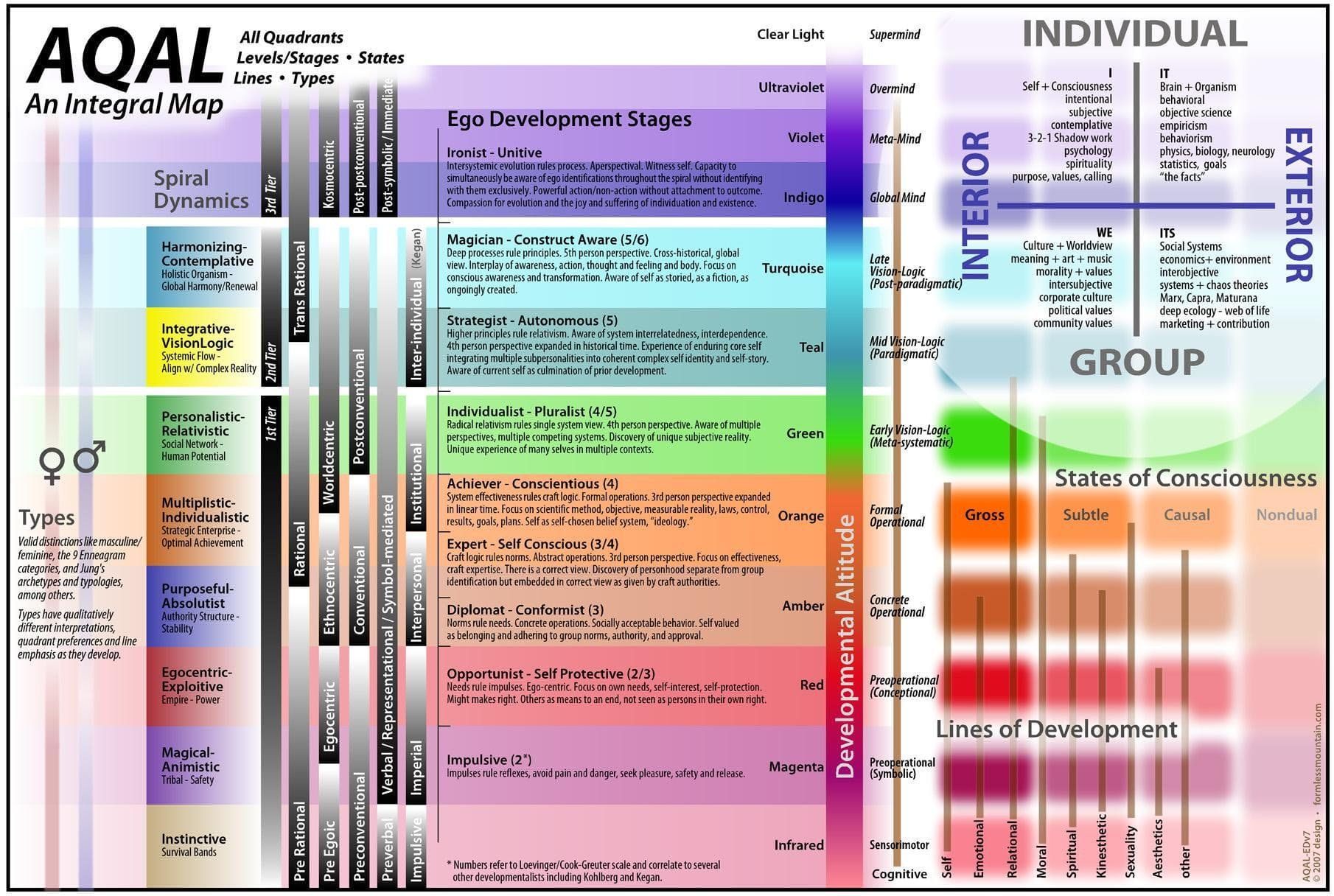
- Thinking develops through stages (based on Maslow, Spiral Dynamics, etc.):
1. Impulsive: Acting on instinct (like a child).
2. Self-protection: Protecting oneself from a dangerous world.
3. Compliance: Integrating into social groups.
4. Self-awareness: Recognizing the difference between the inner and outer self.
5. Responsibility: Building personal principles.
6. Personalization: Recognizing principles influenced by circumstances.
7. Self-control: Integrating contradictions, becoming more flexible.
8. Structural awareness: Seeing the "self" as an illusion.
9. Transcendence: Living for a greater purpose, beyond oneself.
=> To have a meaningful life, you must elevate to a higher level, not stuck in safety or social consensus.
V. Your true goals are obscured by what you are protecting.
- Procrastination and repeating mistakes are to protect the "safe self". Actions reveal the true goal: You say you want to be rich, but the behavior prioritizes avoiding risk.
- To find out: Ask "What am I avoiding?" or "What does this action protect me from?". Change by replacing fear and layers of protection with a stronger new goal.
VI. How to start a completely new life (in just 1 day).
- This is the 1-day reset plan: Dig deep into psychology to find the true goal, break old habits.
- Morning: Write down the "worst future" (nightmare 5-10 years if nothing changes), a simple vision (ideal life), and declare your new self (for example: "I am a disciplined CEO").
- During the day: Break habits by asking questions like "What am I avoiding?", "What does this protect me from?", "What will the future self do?". Track emotions and actions.
- Evening: Identify obstacles, condense the vision into a short statement, set a 1-year goal, a 1-month project, daily actions. Combine everything into a system.
VII. Turn life into a video game.
- See the vision as "winning conditions", the worst future as "losing risks", goals as missions. Add constraints (like time, rules) to focus.
- Life becomes interesting, discipline comes naturally because you "play" rather than "work". Start with a small step today.
*Main conclusion:
- You don't need to change actions but need to change yourself, the hidden goals, and perspectives.
- Personally, I have read many self-help books from the age of 20-24, so now re-reading I find the principles familiar and "still the same".
- But I personally find these principles effective, and if applied, very good, so this article remains valuable to me.
- What do you think?