
The idea looks tempting.
It's a chain, it's already running, there are users. Why not add AI on top and move on.
Sounds logical. Until you start looking at the details.
AI doesn't like living in rented apartments. It needs its own memory, constant context, and clear logic of actions.
When this is not present at the infrastructure level, everything turns into patches.
Works today. Breaks tomorrow. The day after tomorrow a new release comes out with the phrase 'temporarily limited'.
Retrofitting always runs into old solutions. Architecture written for different tasks starts to resist.
It's like trying to add modern Smart Home solutions to a century-old house, where no one thought about channels for internet cables. The walls are thick. There are no schematics. You can drill, but there's a lot of noise, and the result is questionable.
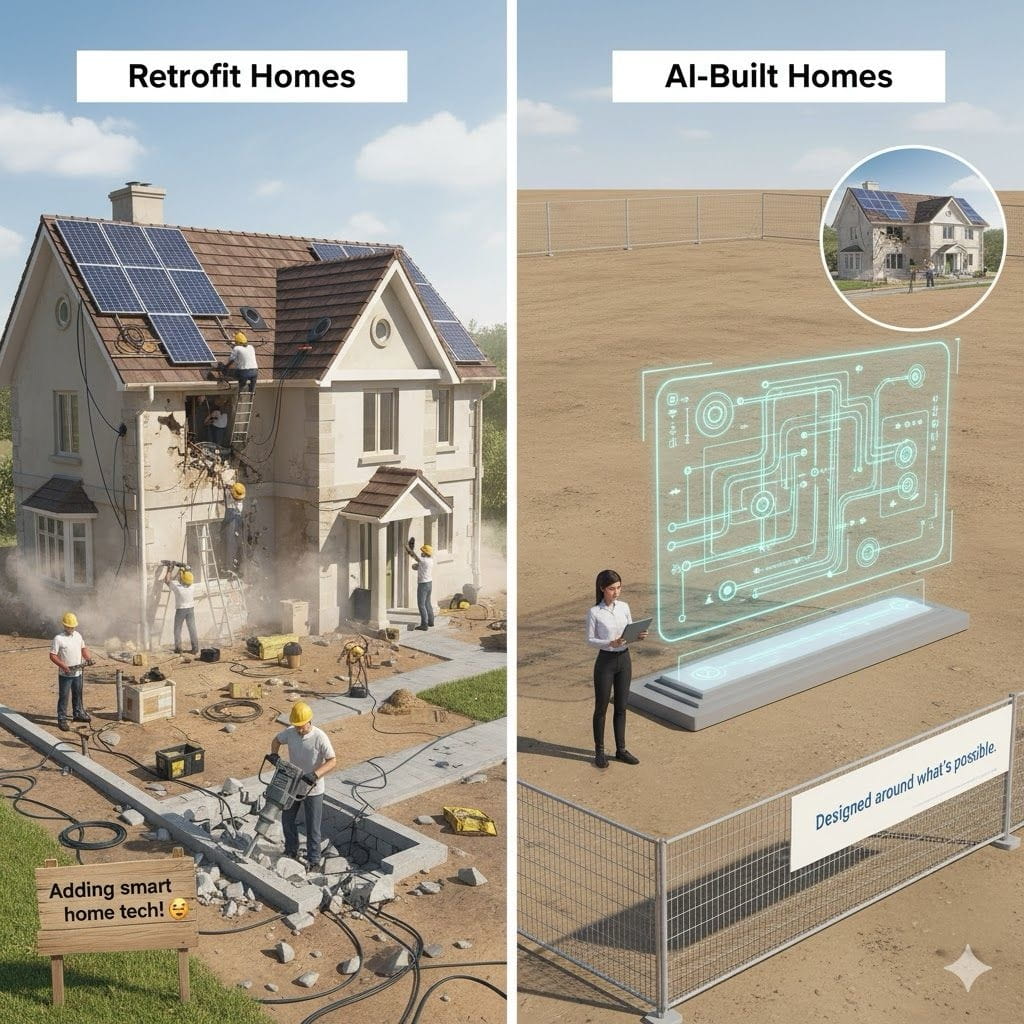
That's why the AI-first approach looks more sober.
In @Vanar the infrastructure is initially designed so that AI has where to store context, how to think, and how to bring actions to conclusion. Without tricks. Without 'we'll finish later'.
Token $VANRY in this scheme is tied to the use of this database, not to the video from the presentation.
Does this mean that all 'old' solutions are doomed? I wouldn't be that categorical.
But it looks like the path through retrofitting will be long, expensive, and full of surprises. Not always pleasant.
It will be more specific next. If you're interested in viewing this without marketing fog - subscribe to me @MoonMan567 .