

AI and automation systems are naturally 'enterprise-level users' rather than amplifiers of retail behavior.
Many people instinctively understand 'AI on-chain' as 'more users', but this is a very typical misjudgment. What AI brings is not more retail behavior, but more system behavior. What are the characteristics of system behavior? It does not chase emotions, does not participate in games, and does not care about short-term ups and downs. Once an AI agent is deployed, it will only do one thing: execute according to established rules repeatedly. Because of this, AI is more like an enterprise-level user, rather than an extension of retail users. It cares about whether the interface is stable, whether the costs are controllable, and whether the execution is auditable. It is precisely in this dimension that VANRY has truly found its place. It is not about attracting 'more people to use it', but about making 'the system easier to deploy'. The two may seem similar, but they are fundamentally different. The former relies on marketing and emotions, while the latter relies on engineering and trust. Once you stand from the perspective of the latter, you will find that VANRY is less of a tradable asset and more of a 'system operation license.'
Why do assets that are 'written into the budget' often appear exceptionally quiet in the early stages?
There is a reality that many people are unwilling to face: enterprise-level adoption never creates a stir. It does not go viral on social media, nor does it show an explosion in short-term data. On the contrary, its typical characteristics are quiet, slow, and low-key. The system first tests internally to confirm stability; then it goes live on a small scale to observe risks; next, it is written into the next phase budget to gradually expand its scope. This process rarely leaves much 'shareable evidence'. And this is precisely why many people are confused by VANRY at its current stage. If you expect to see a 'user growth curve', you will likely be disappointed; but if you focus on 'whether it has started to be included in the fixed cost structure of long-term projects', you will instead discover some not-so-obvious, yet extremely critical changes. Budgeted assets are rarely fully understood by the market in the early stages, but once understood, they often have already passed through the most uncertain phase.
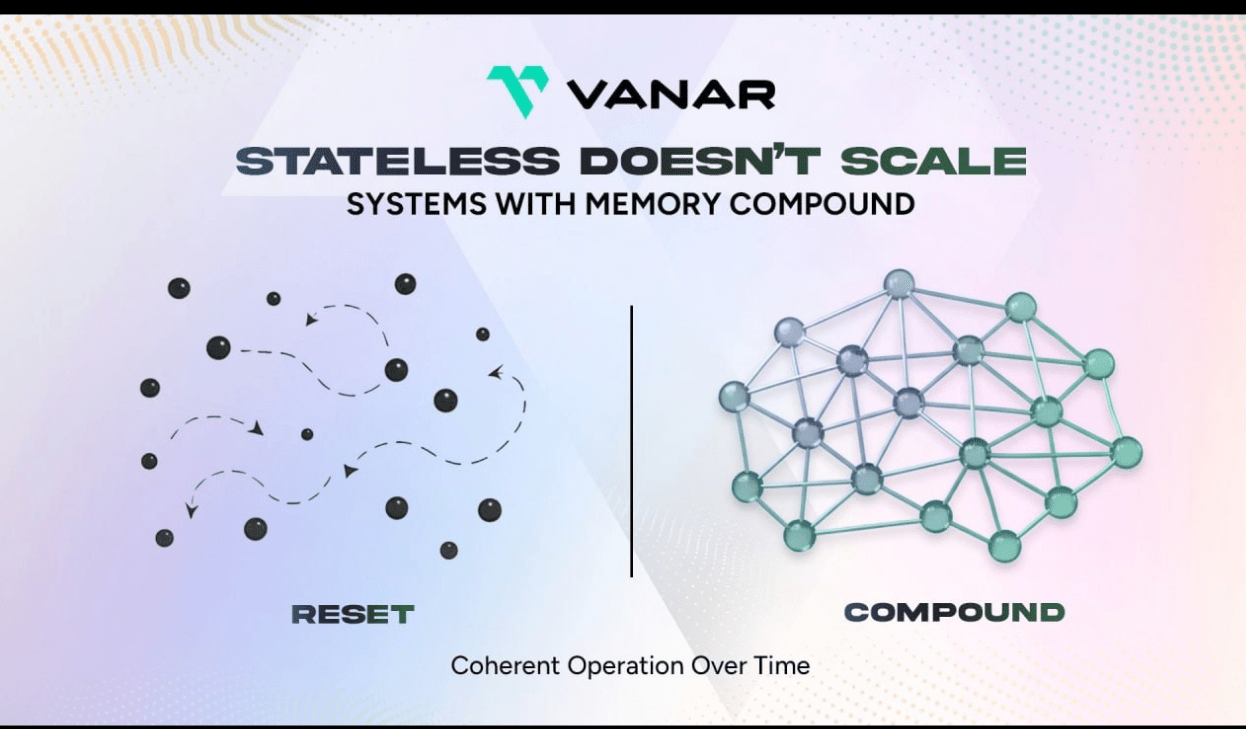
From an investment perspective, VANRY is more like replicating the value formation path of SaaS or infrastructure.
If you extend the timeline, you'll find that VANRY's value formation path is almost completely different from that of traditional speculative tokens. It resembles SaaS or infrastructure services: significant early investment, slow returns, and unremarkable user growth, but once stickiness is formed, it is extremely difficult to replace. What do SaaS companies fear the most? It's not price volatility, but being replaced by customers. And truly high-quality SaaS is often only recognized for its value after running internally for many years. VANRY follows a similar logic. Its key metric is not 'how much trading volume today', but rather 'how many systems have already defaulted to using it'. This metric, in itself, is not suitable for short-term market pricing, yet it determines long-term survival capability.
Why is this type of asset destined to be out of sync with the 'retail investor frenzy'?
From historical experience, all assets that genuinely lean towards enterprise-level and infrastructure-level almost always go through a phase: being disliked for not being stimulating. Because they do not create drama and do not cater to short-term emotions. VANRY is no different. If one day it starts to be regarded by a large number of retail investors as a 'short-term target', it instead signifies that its narrative is being pulled into a position that is not suitable for it. The truly healthy state should be: those who use it remain silent, while those who do not understand it. It sounds cruel, but this is precisely the norm for infrastructure. Enterprise-level expenditure items are never maintained by consensus frenzy, but exist on the basis of 'indispensability'.

When an asset transitions from 'optional' to 'default', the market often cannot react in time.
In the world of systems, there is a very important yet often overlooked turning point: from 'can be unused' to 'default must be used'. This turning point rarely accompanies a dramatic market reaction, but it is the true starting point of value formation. Once a cost item is viewed as a default necessity, it will continuously generate demand, and this demand no longer relies on emotions. If VANRY truly reaches this stage, its value source will completely detach from retail trading logic and enter a trajectory closer to the real economy. This trajectory will not be fast, but it is extremely stable.
Revisiting VANRY is actually revisiting your understanding of 'value'.
Writing this, I feel that what truly tests VANRY is not the market, but every observer. Are you used to judging value by short-term fluctuations, or are you willing to judge value by usage structure? Do you trust emotional consensus more, or do you believe in system stickiness more? VANRY is more like a mirror that magnifies these differences. If you expect quick feedback, it will certainly make you impatient; but if you focus on the ability to be used long-term, it will appear exceptionally clear.
The ultimate outcome of enterprise-level expenditure items is not 'hyped', but rather 'ignored yet indispensable'.
Truly successful infrastructure ultimately leads to a seemingly contradictory state: important, yet not frequently discussed. No one discusses the power system every day, but without electricity everything would come to a halt. No one discusses cloud servers daily, but once they crash, the entire business would paralyze. If VANRY really matures, it is likely to be in such a state. It will not become the emotional center but will become a prerequisite for operation. And this, precisely, is the ultimate form of enterprise-level expenditure items.
If you must summarize VANRY's positioning in one sentence.
Then I would say: VANRY is not born for 'trading', but exists for 'long-term use'.
Of course, you can choose to ignore it, question it, or dislike it for not being lively enough, but if one day you find that it has been written into the default configurations of too many systems, looking back at today's quietness will seem quite natural.@Vanar