

What is a stablecoin?
A stablecoin is a type of cryptocurrency designed to keep a steady value, usually by linking its price to something else that is relatively stable. Most often that something is a fiat currency such as the US dollar, but it can also be commodities, other cryptocurrencies, or a set of rules and algorithms. Stablecoins exist because most cryptocurrencies are too volatile for everyday payments, savings, or acting as a bridge between fiat and crypto markets.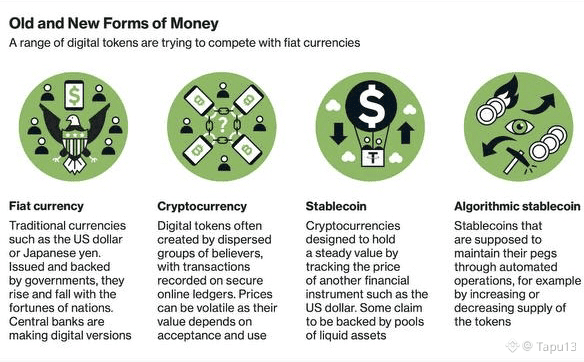
The four main types of stablecoins
Below are the categories used by researchers, regulators, and exchanges. Each category carries different technical features and risks.
Fiat-collateralized stablecoins
These claim to hold fiat currency or equivalent short-term assets in reserve to back the tokens in circulation. Examples include large market names that keep reserves in bank accounts, Treasury bills, or money-market instruments. The design is simple: each token is supposed to be redeemable for one unit of the fiat currency. This model is intuitive but depends on the issuer’s reserve management, transparency, and custody arrangements.
Commodity-backed stablecoins
These tokens are backed by tangible assets such as gold or other commodities. They try to combine the stability of a commodity with the convenience of a token. Commodity backing can diversify reserve risk but introduces storage, valuation, and audit challenges. Recent issuer moves into gold holdings have been covered by major outlets, underscoring how reserve composition matters to trust.
Crypto-collateralized stablecoins
These are backed by other cryptocurrencies held in smart contracts. They typically overcollateralize because crypto collateral can fall quickly in value. Overcollateralization plus on-chain liquidation mechanisms keep the peg, but users bear the complexity and liquidation risk. This model emphasizes decentralization but can be fragile during market stress.
Algorithmic stablecoins
These rely on protocols, token burns, minting, and market incentives rather than full reserves. They try to automatically rebalance supply and demand to keep the peg. Algorithmic designs can be capital efficient in calm markets, but they are vulnerable to runs and so-called death spirals if confidence collapses. The TerraUSD (UST) collapse remains the most cited example of systemic failure in this class, and it reshaped how people and regulators view algorithmic designs.
How stablecoins are actually used today
Stablecoins are now a core plumbing element in crypto. Traders use them as a quick on-ramp and off-ramp from volatile tokens. Decentralized finance protocols use stablecoins for lending, liquidity pools, and yield strategies. Cross-border payments, remittances, and programmable financial contracts also rely on stablecoins for instant settlement. This broad usage is a major reason why stablecoin market capitalization has grown significantly in recent years.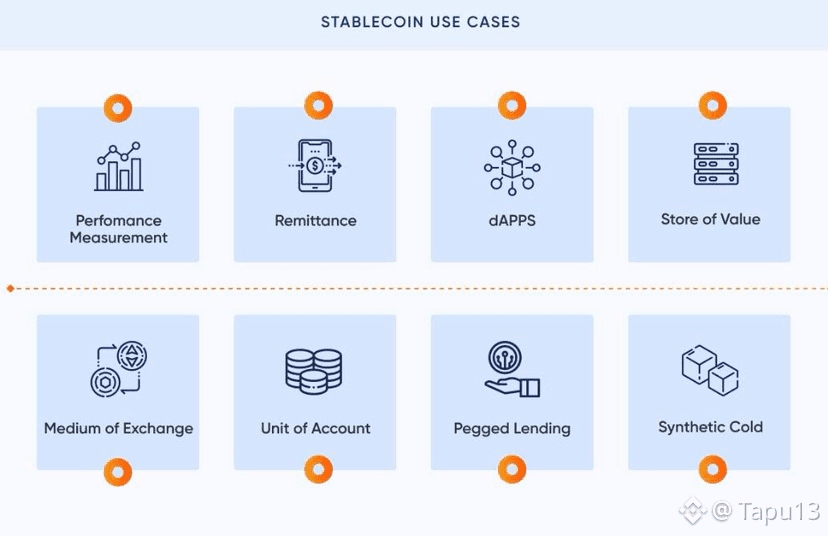
Economic and financial impacts
Effect on crypto markets
Stablecoins reduce friction. They let traders move between positions without going through legacy banking rails. Because of their liquidity role, stablecoins can amplify the size and speed of crypto markets. That utility has kept demand high and stablecoin market cap large relative to many individual crypto assets.
Link to traditional finance and short-term rates
Large stablecoin issuers often hold short-term government securities as part of reserves. Growing demand for these safe assets from stablecoin issuers can influence yields in the short-term money markets. Central banks and researchers have noted that large-scale stablecoin activity can affect the demand for short-term Treasuries and related interest rates. This is not speculation; empirical work and regulatory commentary show a measurable effect.
Payments and financial inclusion
Stablecoins can lower the cost and time of cross-border transfers, especially where local banking is expensive or slow. They can provide a dollar-linked medium of exchange in countries with unstable local currencies. But access depends on device access, regulatory permission, and reliable on-ramps and off-ramps. When these pieces are missing, the theoretical benefits do not reach everyday users.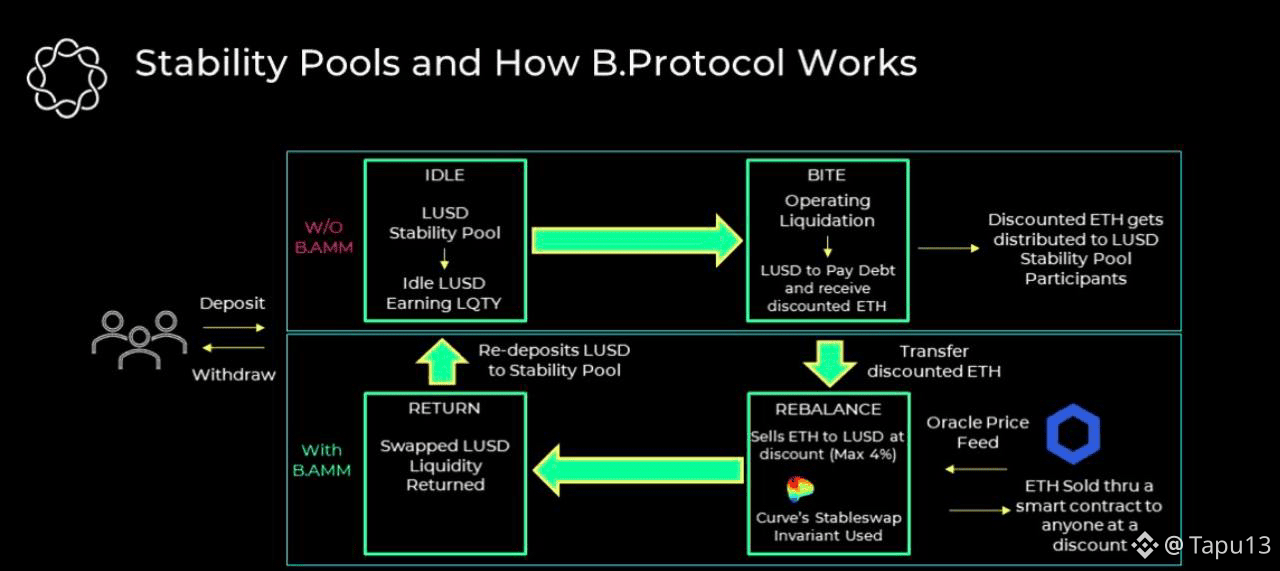
Risks to financial stability
If a major fiat-backed stablecoin suddenly faces mass redemptions and its reserves are illiquid or opaque, that event could transmit stress to banks, money markets, and crypto exchanges. Algorithmic failures can cause rapid value destruction inside crypto and harm retail investors. Past collapses have shown how contagion can spread across protocols and centralized platforms. Regulators cite those events when arguing for clear reserve rules and disclosure.
Regulatory reaction and structural change
Since major failures and the growth of stablecoin activity, regulators worldwide have moved to tighten rules. Legislative and regulatory frameworks in several jurisdictions now require clearer reserve backing, transparency, and licensing. For example, recent policy moves in major financial centers have focused on requiring liquid, high-quality reserves and routine disclosures from issuers. These rules aim to reduce contagion risk and bring stablecoins closer to the regulatory constructs that govern bank-like instruments. The trend is toward stronger oversight and clearer entry rules for large stablecoin issuers.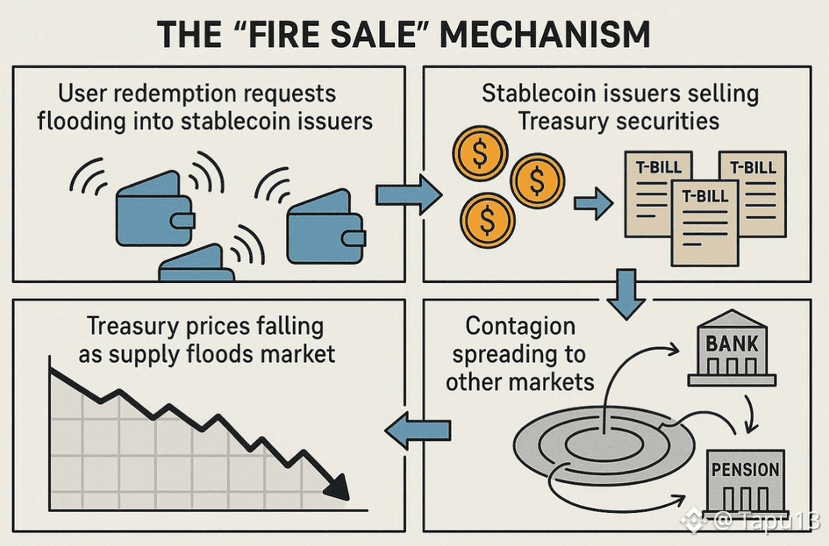
Practical lessons from failures and growth
Design matters
Collateral type, transparency, and how reserves are managed determine a stablecoin’s trustworthiness. Overreliance on opaque assets or complex algorithmic mechanisms increases fragility.
Transparency builds resilience
Independent audits, frequent public reporting of reserves, and clear custodial arrangements reduce uncertainty in times of market stress.
Regulation and infrastructure must match scale
As stablecoins approach sizes comparable to small financial institutions, regulation focused only on crypto-native risks is insufficient. Stablecoin oversight needs to mirror the safeguards used in bank-like products while preserving useful innovation.
Recommendations for different stakeholders
For users
Favor stablecoins with clear, regular disclosure of reserves and reputable custody. Understand redemption mechanics before using a token for large transfers or savings.
For developers and projects
Design for worst-case scenarios. That means stress testing, conservative collateral policies, and real-world audits. Consider hybrid designs that combine on-chain transparency with high-quality off-chain reserves.
For regulators and policy makers
Aim for rules that raise resilience without killing useful features. Focus on disclosure, reserve liquidity, and operational safeguards that reduce systemic spillovers.
For institutional adopters
Do rigorous due diligence on reserve composition, legal claims on redemption, and operational governance. Treat stablecoin exposure like exposure to counterparties in traditional finance.
Conclusion
Stablecoins have moved from niche tools to essential infrastructure within crypto and a bridge to traditional finance. They offer real benefits in liquidity, speed, and cross-border settlement. At the same time, different designs carry very different risks. The policy response over the past few years has been to require more transparency and higher-quality reserves for widely used stablecoins. For the ecosystem to keep the benefits while avoiding systemic harm, designers, users, institutions, and regulators must adopt sober, evidence-based practices that prioritize stability and trust.