
Who controls the memes, controls the universe —Elon Musk
Originating from the last century, memes have now become an indispensable part of our daily lives. In web2, we use memes in social interactions, where emotions that cannot be expressed by words can be precisely conveyed through meme stickers; entering web3, memes have evolved from NFTs to tokens, clearly becoming a type of digital asset.
As a high-risk digital asset, memes carry enormous risks along with great opportunities, attracting countless adventurers. However, the on-chain market is mixed, with thousands of new meme coins emerging every day. Learning to sift through the mud to find the gold is essential to establish oneself in an invincible position.
This article will start with the basics of on-chain transfers, using various tools to query token indicators, so that newcomers do not have to pay for learning with low-level on-chain Pixiu.
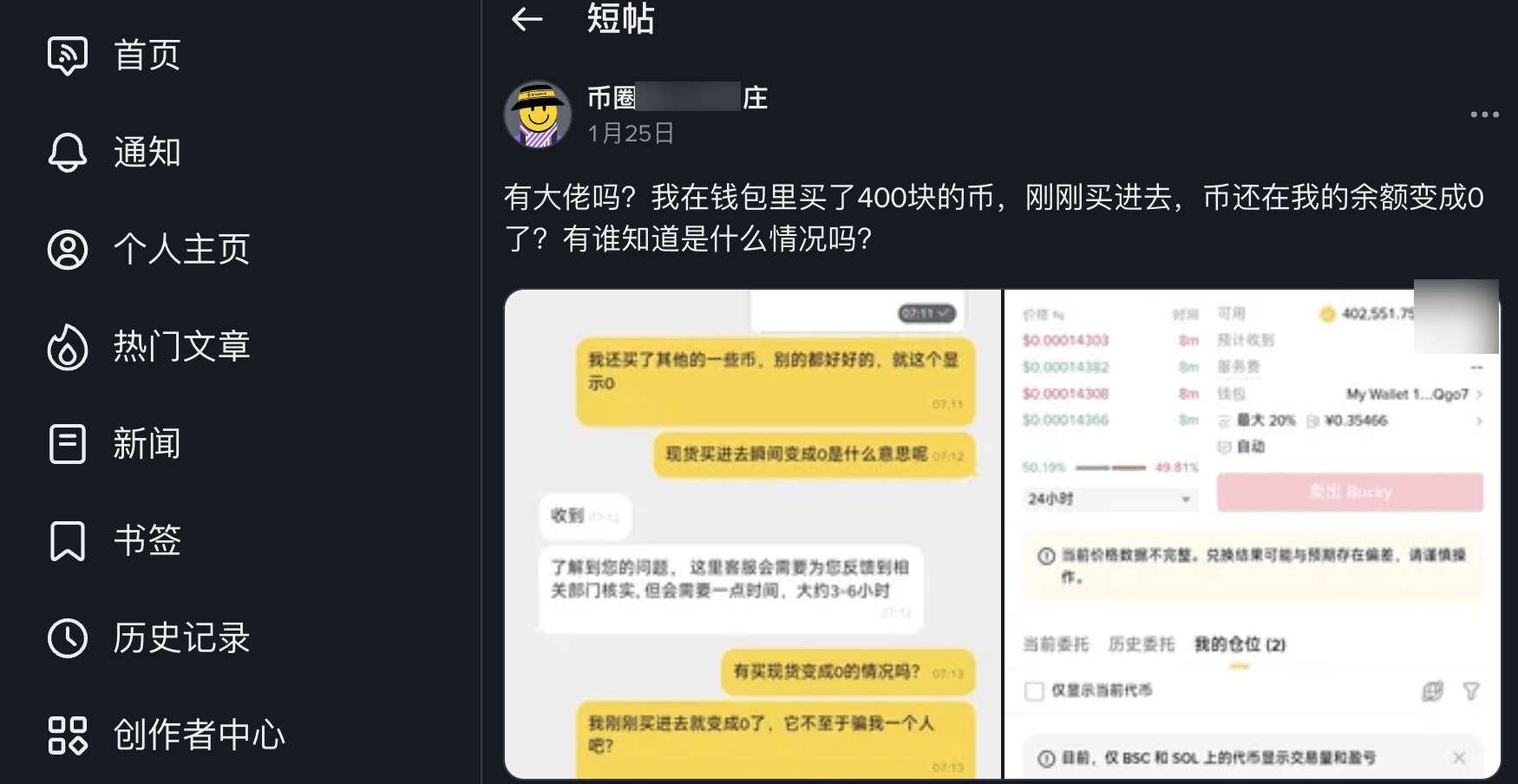
1. Choice of chain and gas
Meme coin transactions mostly occur on-chain, also known as the primary market. Before exploring the primary market, we need to prepare a wallet. Taking Binance's non-custodial wallet as an example, we can directly withdraw assets from the exchange account to the wallet. If you plan to use stablecoins to trade tokens, don't forget to transfer a small amount of native tokens (BNB on the BSC chain, SOL on the SOL chain) to pay for gas fees (every on-chain transaction or transfer requires a fee). Without native tokens, it is difficult to operate on-chain.
Currently, meme coins are mainly on the BSC and SOL chains. Newcomers can learn to enter the primary market from these two chains.
2. Meme Coin Trading Platforms
There are many meme coin trading platforms available, you can choose according to personal preference. The fees are generally charged per transaction.
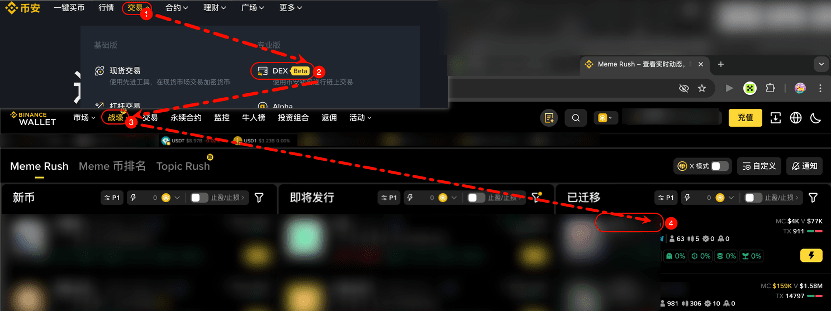
Path to the Trench: Taking Binance's web wallet as an example, click on Trade—DEX—Trench (new tokens can easily drop to zero, it is recommended that newcomers select from the migrated tokens).
3. Common characteristics of Zero Coins, Pixiu Coins, and Withdrawal Coins
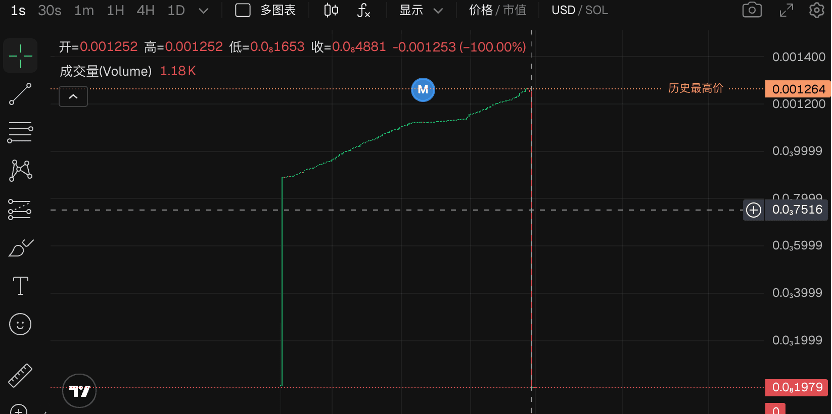
3.1 Zero Coin
Refers to tokens with a high concentration of chips, whose prices drop by 99.99% in a very short time.
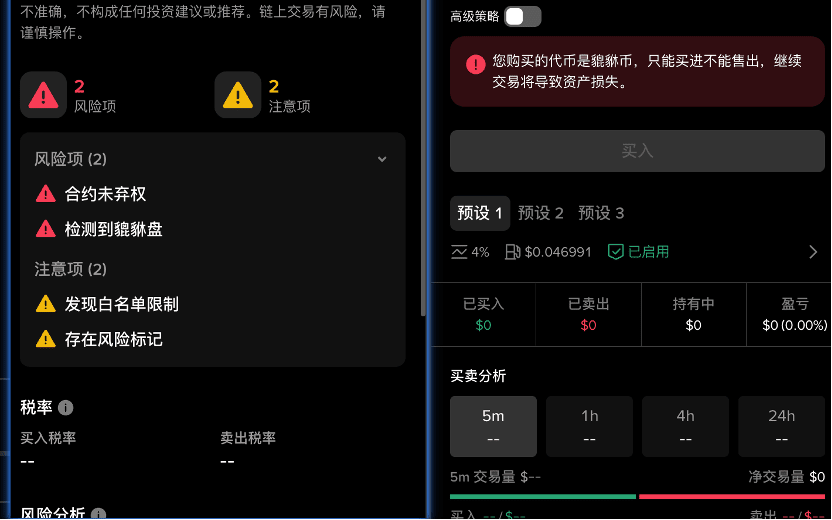
3.2 Pixiu Coin
Refers to tokens that can be bought but cannot be sold, or have a 100% selling tax rate. The moment you buy this type of token, you have completed the payment of tuition fees.
3.3 Withdrawal Coin
This type of token usually does not drop to zero. Once someone buys in, the dealer will withdraw the pool, making liquidity zero and making it impossible to sell. This type of token is particularly common on SOL.
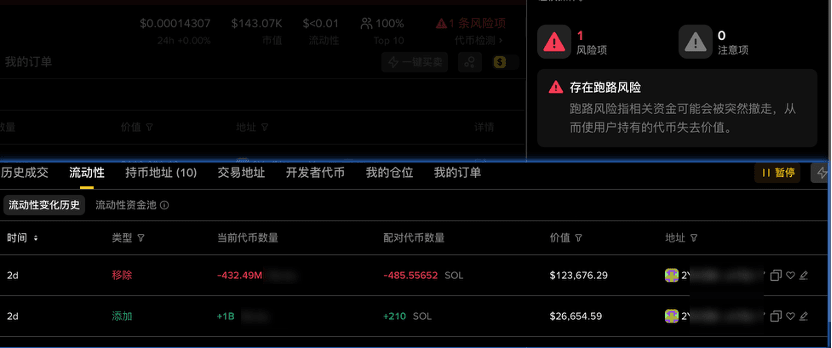
4. How to maximize the identification of problematic tokens
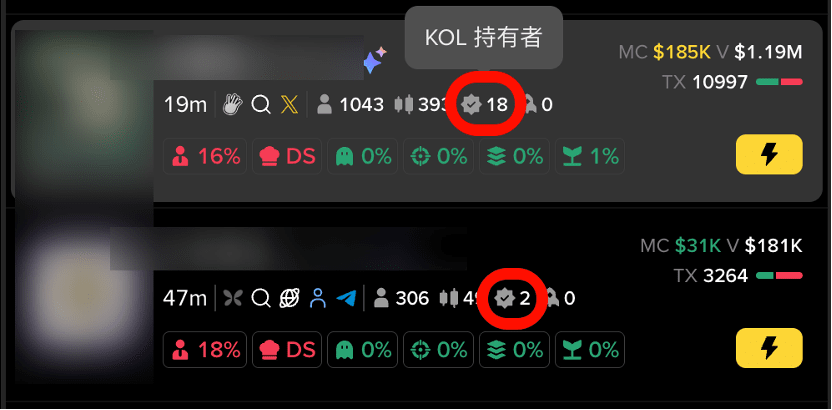
4.1 Number of KOLs
Good tokens are definitely sought after by KOLs, and there is no reason not to buy them. If you see a token with 0 KOLs, then you should be worried.
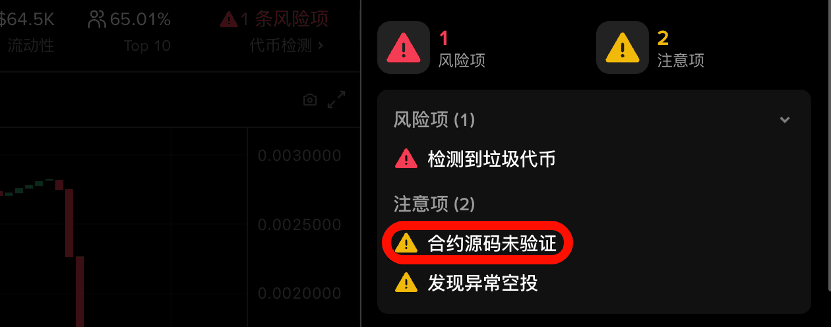
4.2 Is the contract open source
Generally, contracts for tokens without tricks are open source, while those with hidden agendas are often not open source (only applicable to meme-type tokens).
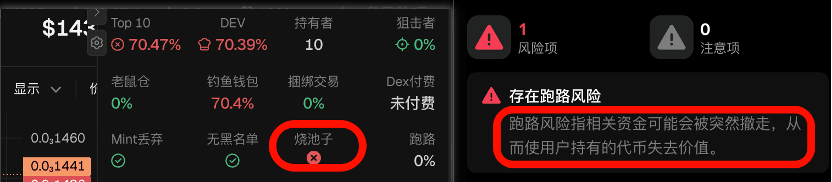
4.3 Is the liquidity pool burned
If the liquidity pool is not burned, it means that the dealer can withdraw at any time. Once there is no liquidity pool, the purchased tokens cannot be sold.
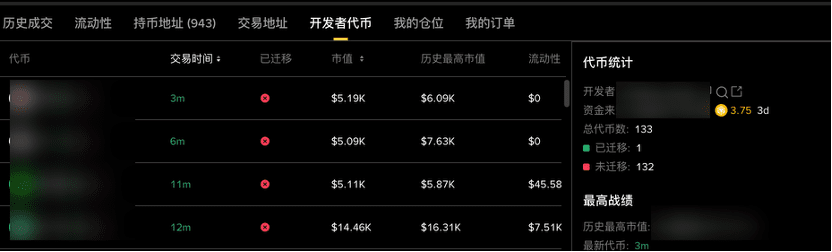
4.4 Developer Token Count
Professional developers often create hundreds or thousands of tokens, while shady developers prefer to swap addresses for a single token (there are certainly genius developers who make a fortune with one token, but they are ultimately in the minority).
If you have read this far, congratulations on completing the introductory training of on-chain Meme. I wish you in your upcoming Meme journey, buying one goes up, buying two goes up double, whatever you buy goes up!
Finally, thanks to the official platform for the support!@新手学堂天使自治社区 @币安广场