As we look at how Walrus is growing, it's clear that the way decisions get made is starting to change in interesting ways. Right now, the setup draws a lot from Sui, where people who hold SUI tokens can vote on big choices like network updates or how resources get used. In Walrus, it's similar with the WAL token—holders stake it to help secure the system and get a say in things like adjusting penalties for nodes that don't perform well. But as more folks join in, especially with all the focus on data storage and markets, there's room for the community to step up and really shape the rules. Imagine a system where everyday users, not just big holders, can propose ideas that directly affect how data gets bought, sold, and kept safe. This could turn Walrus into something more like a shared backyard where everyone pitches in to decide the rules for playing.
Think about the basics first. Sui keeps things straightforward: proposals often start in forums or discussions, then token holders vote based on how much they stake. It works because it ties influence to commitment—the more you put in, the more your voice counts, like how in a family business, the ones who invest the most time get the biggest say in plans. Walrus builds on that but adds its own flavor since it's all about decentralized storage. Currently, governance tweaks things like system parameters, but it hasn't gone deep into data market specifics yet. What if we evolve this? Community proposals could let users suggest changes to how data markets run, such as setting fair prices for storing large AI datasets or deciding penalties for lost data. This would make the whole thing feel more alive, where the rules adapt as needs change, keeping Walrus ahead in a world full of big data demands.
One fresh idea could be a blob-voting mechanism, something tailored just for Walrus. Instead of only counting tokens, why not let the amount of data you've stored or managed give you extra voting power? Picture it like a community garden: the gardeners who plant and tend to more plots get more input on what crops to grow next season. In Walrus terms, if you've uploaded and maintained a bunch of blobs—those chunks of data spread across the network using erasure coding—you earn "blob credits" that boost your vote. This draws from Sui's staking but twists it to reward actual use of the storage layer. Proposals could even be stored as blobs themselves, making the process fully on-chain and verifiable. It encourages people to actively use Walrus for real stuff, like archiving research files or hosting decentralized apps, rather than just holding tokens. Over time, this might lead to rules that favor efficient data markets, where low-cost storage for things like video streaming becomes the norm because the community votes for it.
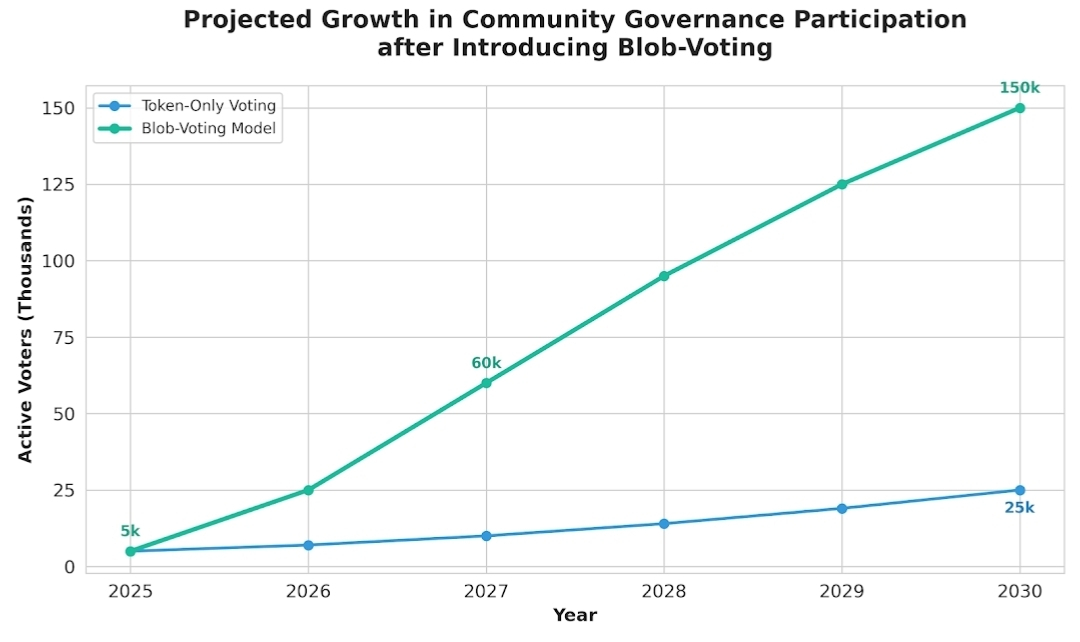
Taking this further, community proposals could directly mold the data market rules in ways that solve real problems. For example, right now, data markets in Web3 are a bit like flea markets—anyone can set up a stall, but prices and quality vary wildly. What if proposals let users vote on standard fees for blob storage based on size or type? Or create rules for data provenance, ensuring that AI training sets stored on Walrus come with proof of origin to avoid fakes. Drawing from Sui's framework, where votes are weighted by stake, Walrus could add a twist: require proposals to include a small blob demo, like a sample dataset showing the idea in action. This way, it's not just talk; voters see the impact. It sparks questions like, how do we balance big enterprises uploading massive files with small users who store personal stuff? Could this lead to tiered markets, where premium rules apply to high-value data like medical records?
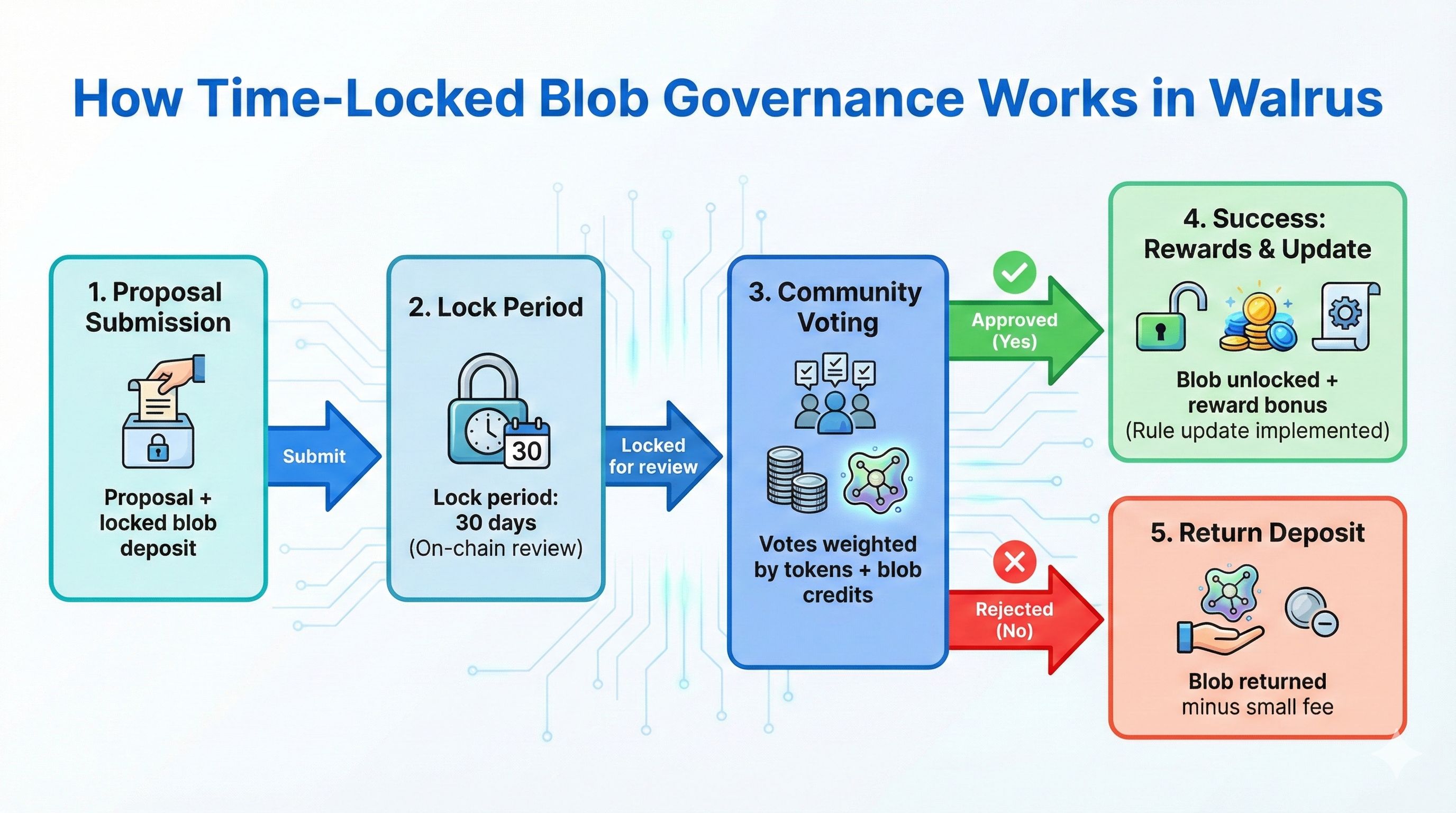
Another original model might involve time-locked blob governance. Here's how it could work: when you submit a proposal, you lock some of your stored blobs for a set period, say a month, as a show of good faith. It's like putting down a deposit when renting a tool—you get it back if the proposal is fair and well-received. This builds on Sui's time-based staking but adds Walrus's data focus, making sure proposals are thoughtful and tied to the network's core strength in handling large, programmable data. If the community approves, the locked blobs could even generate extra rewards, turning governance into a way to earn while contributing. Think of the ripple effects on data markets: rules might evolve to include auto-expiring data for privacy, or shared revenue from popular datasets. This keeps things dynamic, where markets don't get stuck in old ways but grow with tech like AI agents that need reliable, cheap storage.
Of course, evolving governance like this isn't without challenges. We have to think about fairness—does blob-voting favor those with tons of data, like big companies, over regular folks? Maybe add caps or bonuses for new users to level the playing field, similar to how Sui encourages broad participation. And security matters too; proposals stored as blobs need strong checks to prevent spam or bad actors. But the upside is huge: it could make Walrus the go-to for data markets that feel owned by the people using them. Imagine researchers proposing rules for open datasets, or developers voting on integrations that make storage even cheaper through better erasure coding. This forward path invites discussion—what rules would you propose first? How might this change how we think about data ownership in a decentralized world?
As Walrus matures, these community-driven shifts could redefine what a storage protocol looks like. Starting from Sui's solid base of token-based decisions, adding Walrus-specific elements like blob involvement brings a fresh layer. It turns passive holders into active shapers, where proposals aren't just votes but real contributions to the ecosystem. Data markets might become more like cooperative stores, with rules set by shoppers and sellers alike. Questions linger: Will this draw more builders to Sui? Could it inspire other protocols to tie governance to their unique features? The key is starting small, maybe with pilot proposals on testnets, to see what sticks. In the end, it's about making Walrus a place where the community's voice drives the future, one blob at a time.