

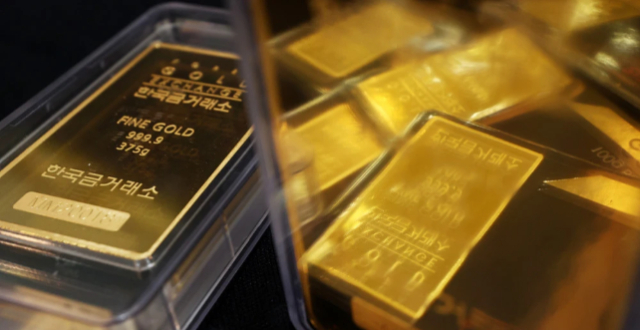
The rise of spot gold peaked on January 28, breaking through 5300 USD/ounce for the first time during trading. On that day, gold prices soared more than 120 USD, setting a new historical record. Since the beginning of this year, gold prices have accumulated a rise of 19.96%, continuing the strong momentum seen since 2023.
Data shows that gold has experienced significant increases for three consecutive years. In 2023, it rose by 12.7%, in 2024 the increase expanded to 30.7%, and in 2025 it skyrocketed by 62.7%. If we calculate from the 1800 USD/ounce at the beginning of 2023, the cumulative increase of spot gold over three years exceeds 190%, making it one of the best-performing assets globally.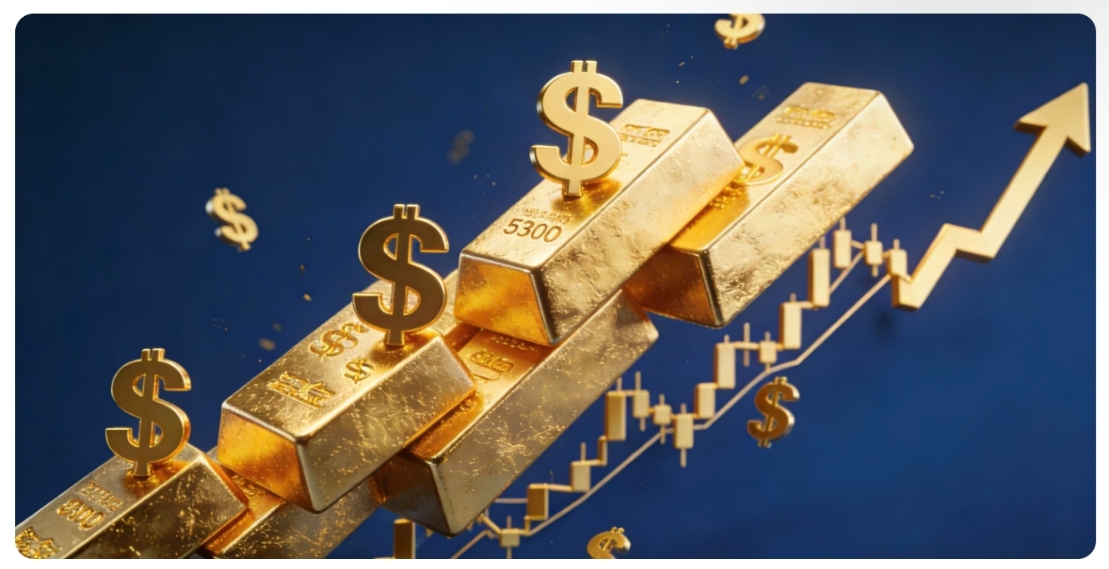
The continued rise in gold prices has prompted several international financial institutions to raise their expectations for gold prices. Goldman Sachs has raised its gold target price for the end of 2026 to $5,400 per ounce. JPMorgan Chase predicts that the average gold price in the fourth quarter of 2026 will reach $5,055 per ounce, and believes that long-term prices may challenge the $6,000 mark.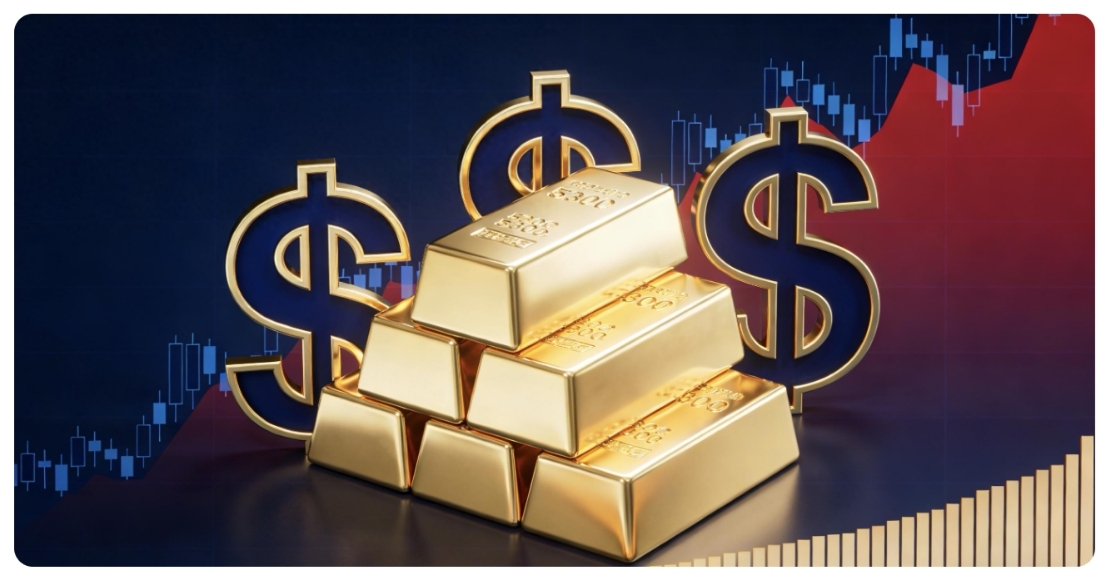
Liu Jin, a professor of accounting and finance at Cheung Kong Graduate School of Business and director of the Investment Research Center, pointed out that the current rise in gold reflects global investors' risk-averse sentiment regarding the uncertainty of the international political and economic environment. Multiple factors such as geopolitical tensions, the evolution of international relations, and the potential restructuring of the global monetary system intertwine, making the safe-haven properties of gold increasingly prominent. Gold is transforming from a traditional precious metal into the 'ultimate currency'.
From the perspective of market fundamentals, the rigidity of gold supply contrasts sharply with the elasticity of demand. Liu Jin believes that the fluctuations in gold prices mainly stem from the demand side, while the supply side remains relatively stable. Data from the World Gold Council indicates that global gold mine production in 2024 will be 3,661 tons, remaining basically unchanged from 2023. In recent years, gold output has consistently fluctuated around this scale.
In terms of demand, in addition to investment and risk-averse sentiment, the strategic gold purchases by central banks in various countries have also become an important support. As of the end of December 2025, China's gold reserves reached 74.15 million ounces, having increased for 14 consecutive months since November 2024. Compared to 74.12 million ounces at the end of November, December saw an increase of 30,000 ounces. Goldman Sachs predicts that this year, central banks around the world will purchase 60 tons of gold each month. At the same time, with the Federal Reserve cutting interest rates, the scale of gold purchases by ETFs will also increase, further boosting gold valuations.
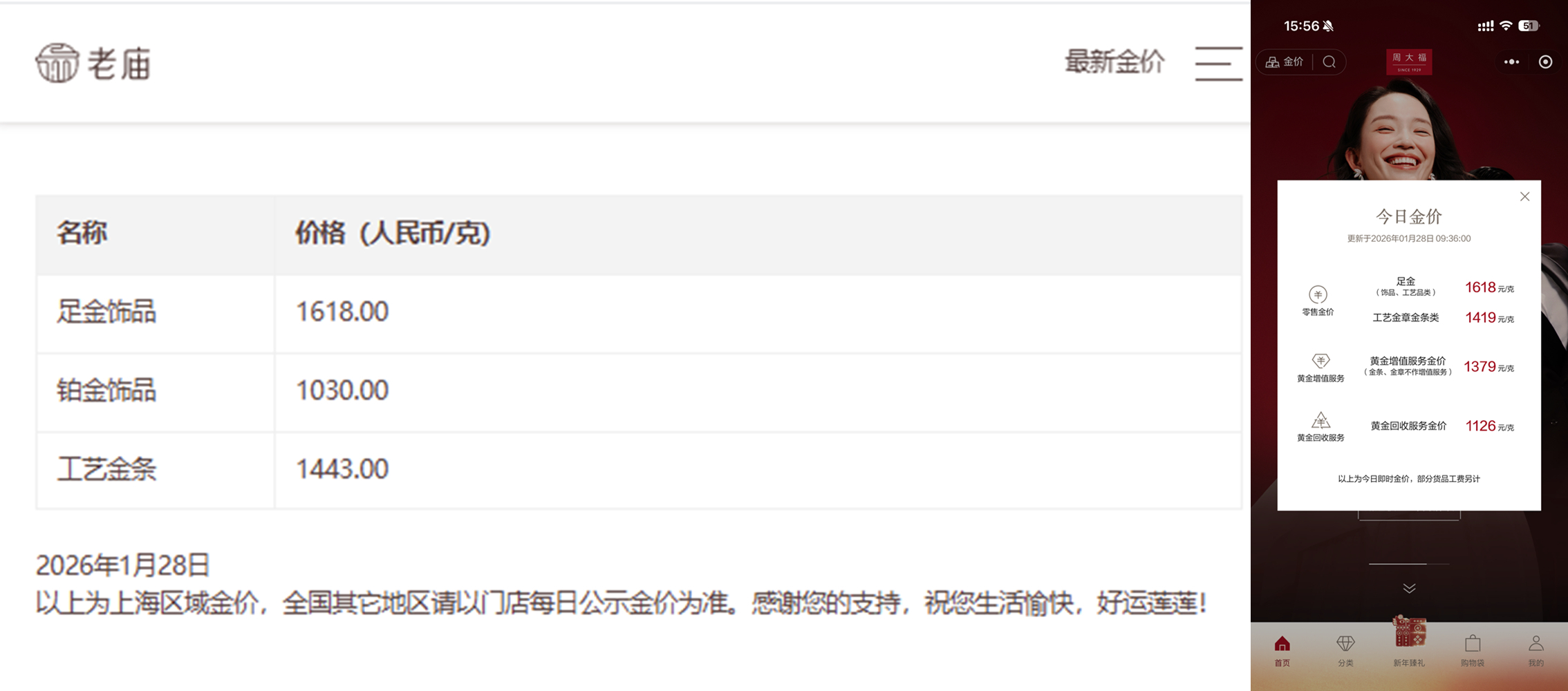
The rapid rise in international gold prices quickly affected the domestic market. On January 28, some mainstream domestic gold jewelry brands quoted prices exceeding 1,600 yuan per gram. On the same day, the Shanghai Composite Index and the Shenzhen Component Index saw highs before retreating, while the ChiNext Index opened higher but closed lower, dropping more than 1% at one point. However, gold concept stocks performed outstandingly, with a significant increase across the board.
Liu Jin emphasized that the current gold market is in a major cycle of the 'world pattern transitioning from unipolar to multipolar'. Driven by geopolitical factors and the reconstruction of the monetary system, the demand for safe-haven assets has become the core force influencing gold prices. Short-term market sentiment or liquidity changes may bring fluctuations, but it is difficult to alter the long-term upward trend.
