#dolar #fed #DonaldTrump #powell #btc
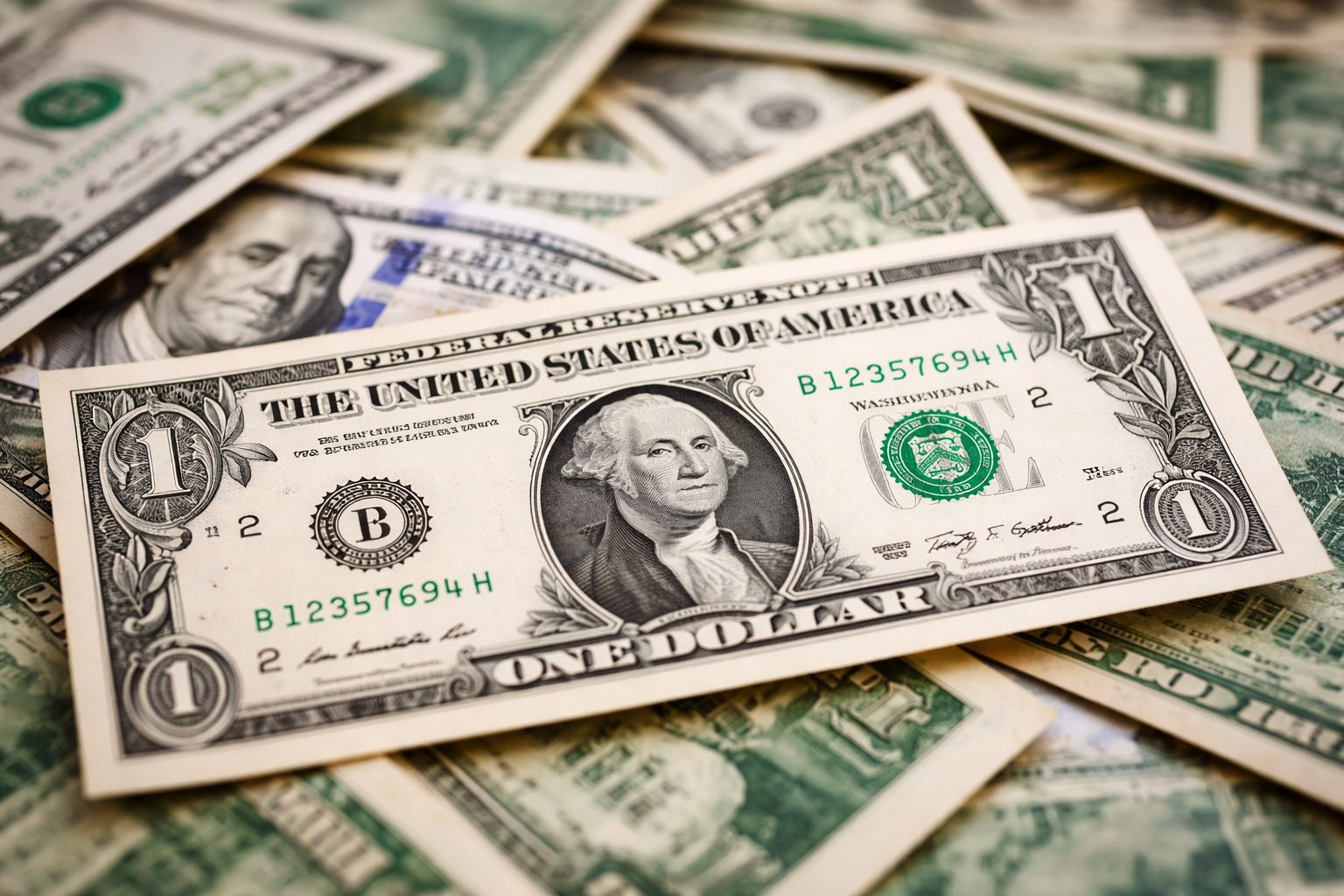
The dollar is weakening against other currencies, hitting 4-year lows.
Impact: reduces international purchasing power, makes imports more expensive, and favors exports.
Factors: trade deficit, prudent monetary policy, and perception of delay in economic adjustments.
🏦 Fed and interest rates
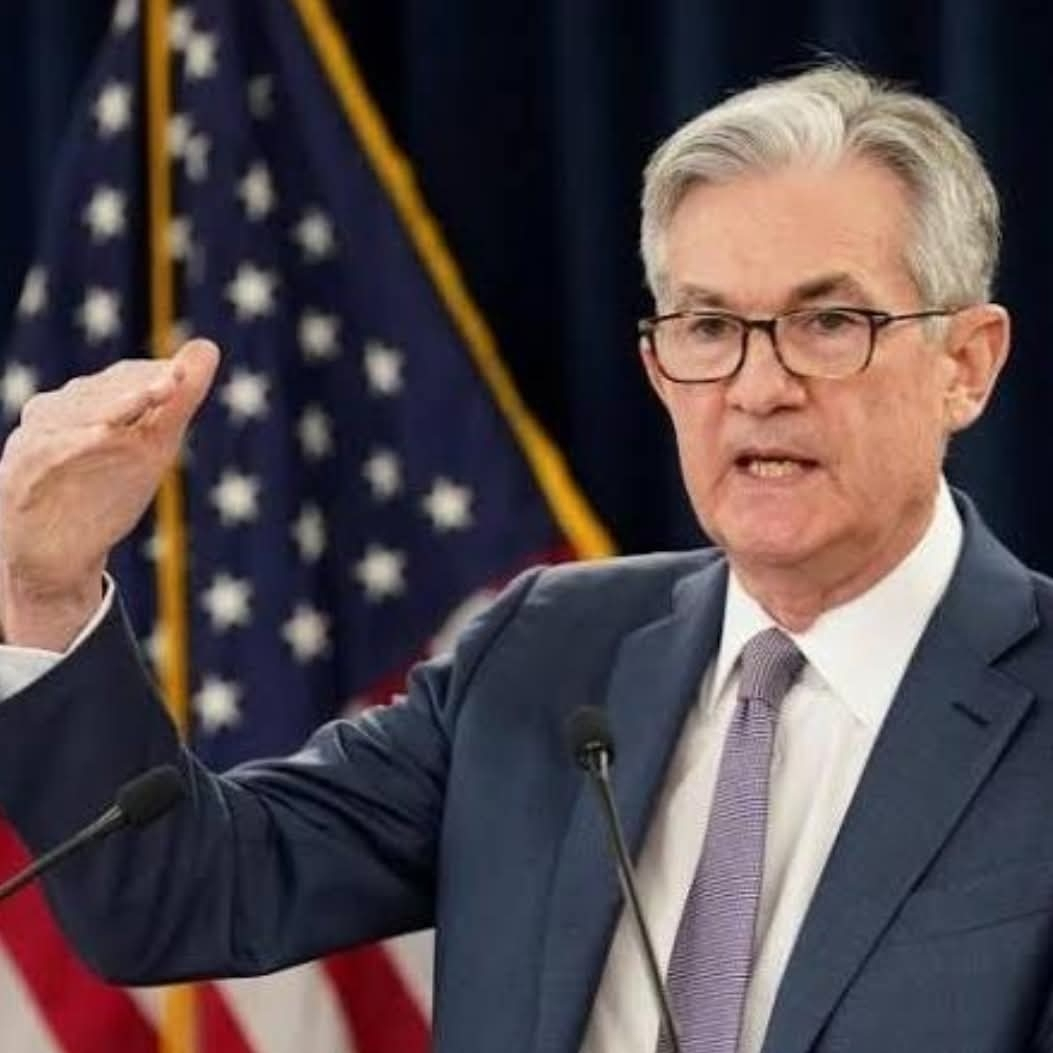
The Federal Reserve keeps rates at 3.50%–3.75%.
Reason: solid economic growth and strong employment, although inflation remains somewhat high.
Effect: short-term stability, but markets expect possible cuts if the economy slows down.
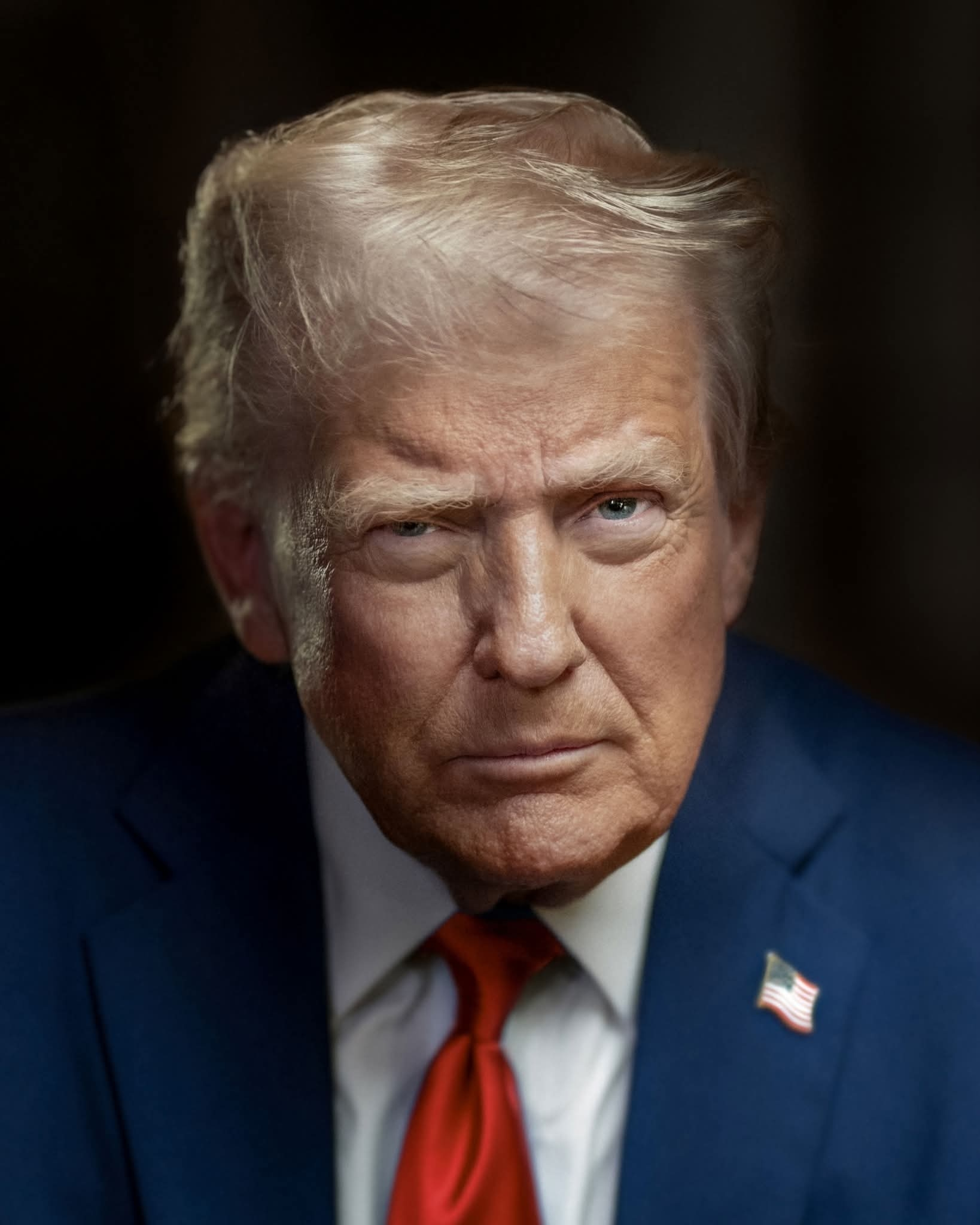
🇺🇸 Donald Trump and the dollar
Criticism of the Fed: calls for more aggressive cuts to boost the economy.
Stance on the dollar: a weaker dollar is not negative, it helps exports and global competitiveness.
Influence: generates nervousness in the markets and affects the perception of economic policy.
📈 Impact on the stock markets
Markets near historical highs, especially in technology and AI.
Benefits of a weak dollar: more competitive exporters.
Risks: imported inputs becoming more expensive, geopolitical volatility, and specific corrections.
Safe-haven assets: gold and other commodities gain value against the falling dollar.
₿ Bitcoin and cryptocurrencies
The decline of the dollar often boosts the demand for Bitcoin as an alternative safe haven.
Increasing correlation with traditional markets: stock movements also affect its price.
Key factors: institutional adoption, ETFs, and global liquidity.
🔮 Outlook 2026
Dollar: could remain weak, but without sustained crashes.
Stock markets: continuous volatility, spikes according to corporate results and global tensions.
Bitcoin: opportunities if the dollar remains weak and the demand for crypto assets grows.
Key for investors: prudence, diversification, and following economic news.
🧠 Conclusion
2026 will be a year of transition and adjustments.
Monetary policy, leaders like Trump, and the evolution of traditional and crypto markets will define investment dynamics