
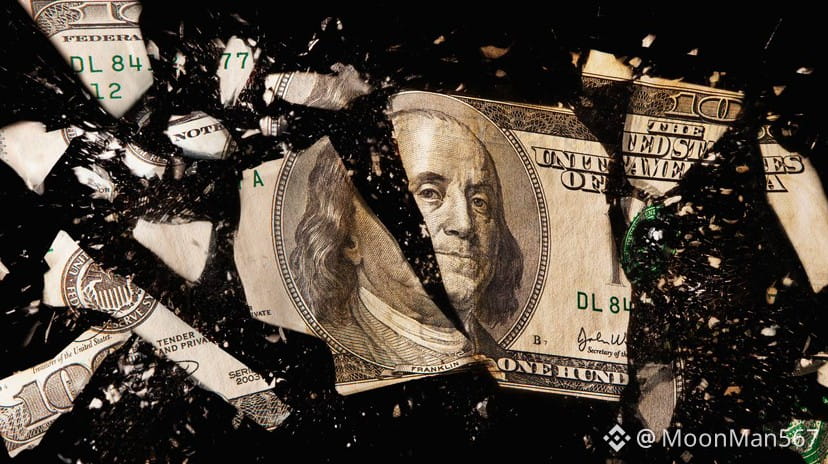
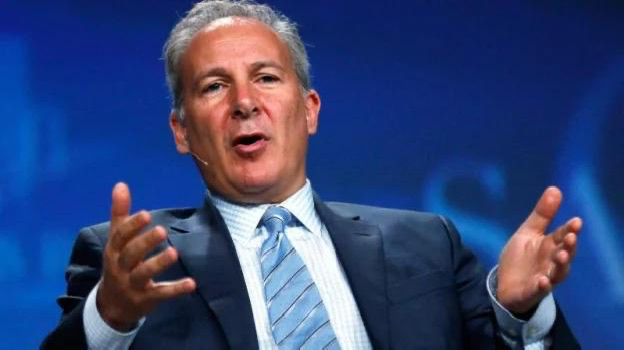
Peter Schiff talks about the 'inevitable collapse of the dollar' not for the first time. In fact, he has been talking about it for years. Sometimes — very convincingly.
What is really important right now?
Firstly, central banks are indeed actively buying gold. This is a fact that is hard to ignore. They are diversifying their reserves. But diversification ≠ abandonment of the dollar. It is rather a signal of distrust in the stability of the future, rather than a specific currency tomorrow morning.
Secondly, the thesis about 'the bubble in the dollar itself' sounds loud, but it is more ideological than operational. The dollar is not an asset in a vacuum. It is financial infrastructure, debt, trade, army, capital markets. It does not 'burst' like a stock or token.
Thirdly, a weak dollar as a policy tool — this is where it gets interesting. If the White House is really comfortable with weakening the currency for the sake of exports, it signifies a change in priorities. Not a collapse, but a shift. And shifts are usually painful for those accustomed to the old order.
Why is gold rising even when the Fed is not lowering the rate?
Because the market looks not only at the rate. It looks at debt, geopolitics, tariffs, and what is called 'long-term trust.' Gold is not a bet on the end of the world. It is a bet that the world is becoming less predictable.
The key point that is lost in Schiff's statements:
The alternative to the dollar is still not ready.
There are candidates. There are conversations. There are experiments.
But there is no system that is capable of replacing the dollar today without chaos.
So this is not a story about 'the dollar will die tomorrow.' This is a story about the dollar slowly losing its monopoly on trust.
And this is already much more serious.
And much slower.
The market loves extremes. Reality does not.

