
In a market full of clamor, where funds are rapidly rotating between various sectors, I tend to pull away from the frenzy and engage in some calm reflection. Although the screen is filled with high-leverage gaming and the celebration of meme coins, I habitually redirect my attention to the infrastructure layer. Staring at @Plasma the K-line chart of (XPL) which has dropped nearly 90%, it seems somewhat out of place and even crazy to focus on it at this moment. But reason tells me that the lower the market sentiment, the more one should strip away price noise and examine the underlying technical logic and business fundamentals of the project.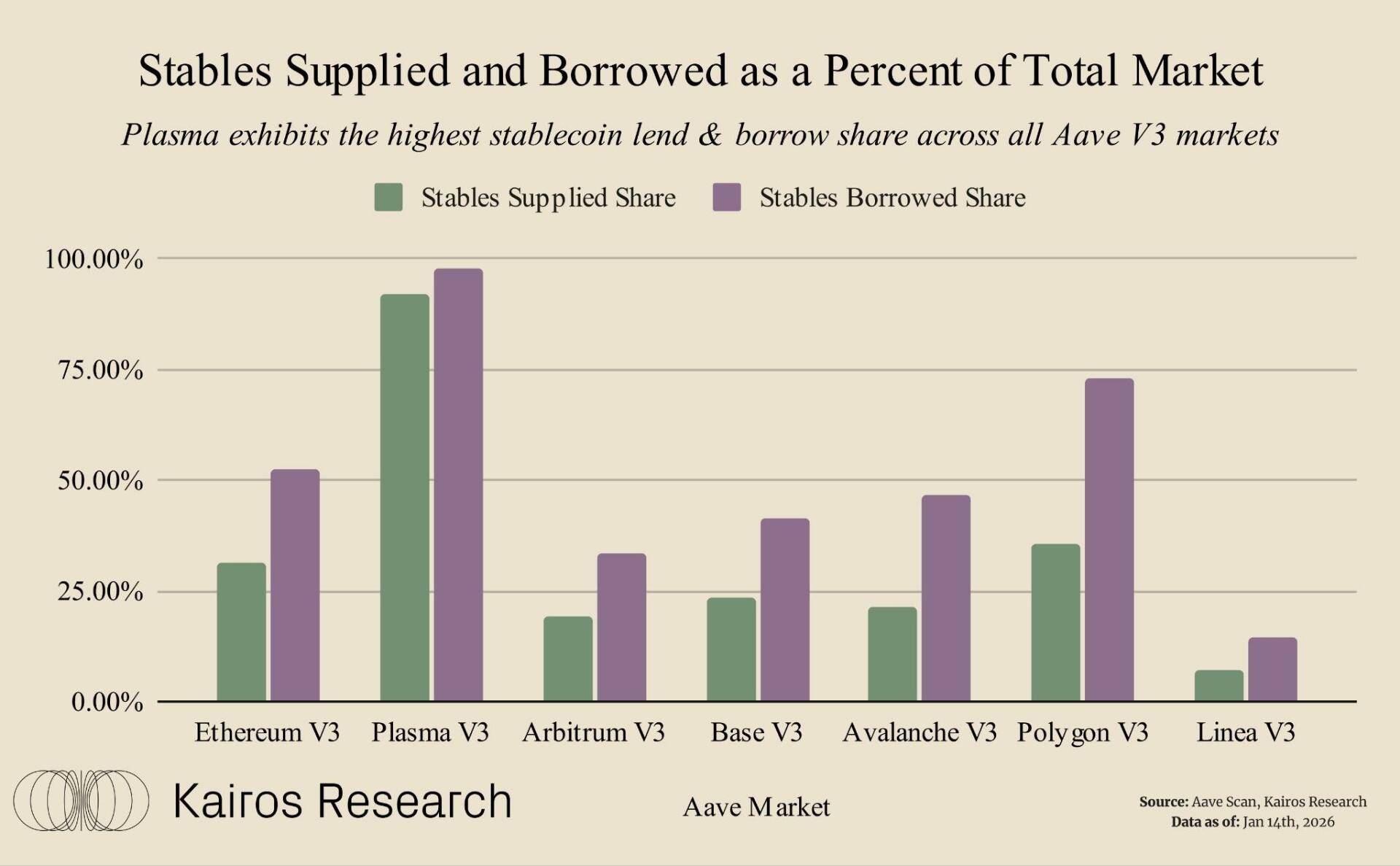
In an environment where many public chains are caught in an 'arms race', crazily rolling out hundreds of thousands of TPS or stacking complex ecosystems, I have re-evaluated the narrative of Plasma regarding 'dedicated chains for stablecoins'. At first glance, such projects focusing on 'payments' and 'stability' may seem unsexy, but delving into its architecture, it actually achieves the vertical scenario of stablecoin payments through an extremely clever 'subtraction' strategy.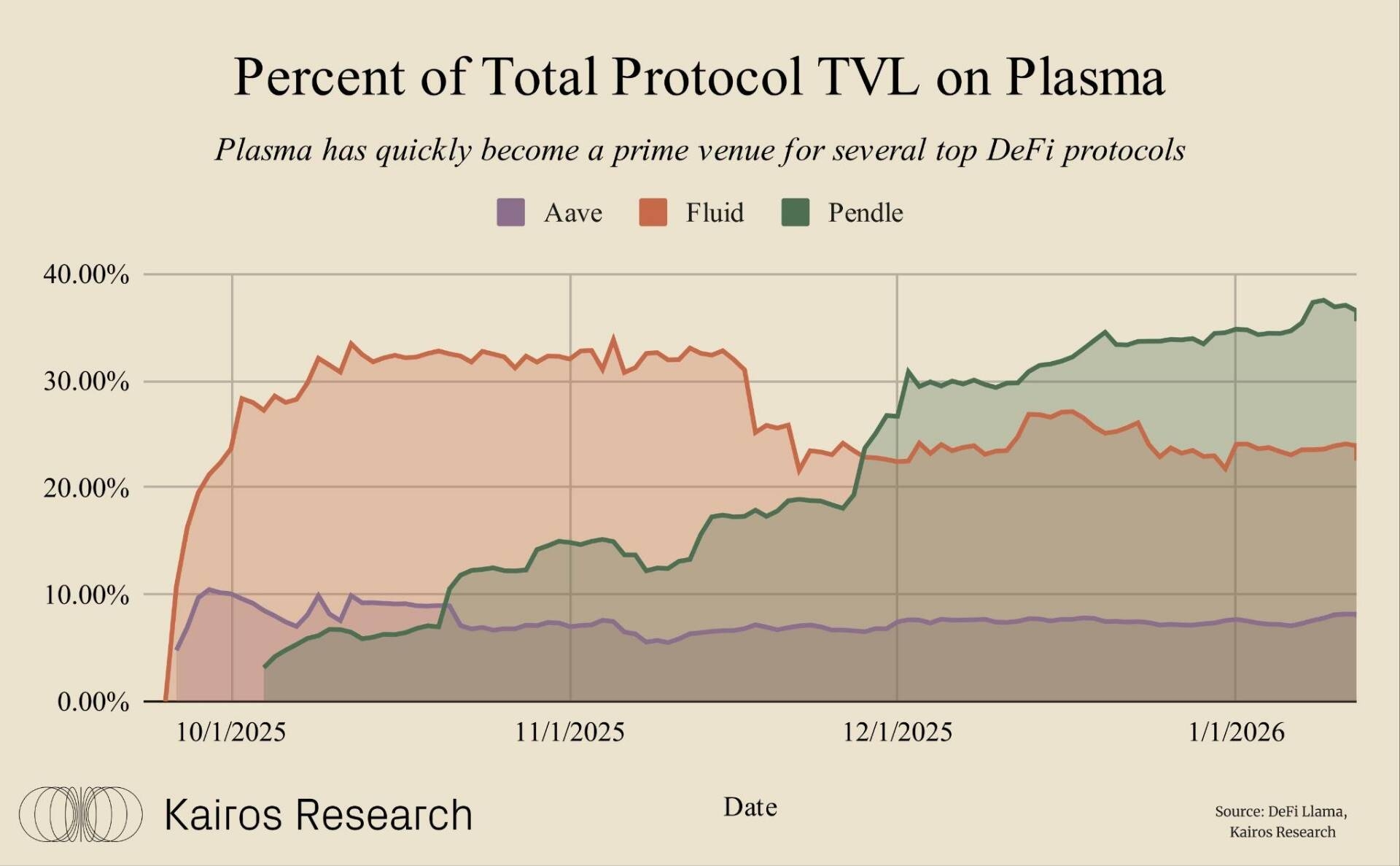
First, what makes me ponder is the choice of execution layer. Plasma did not simply fork Geth, but insisted on using the Reth client, which is written in Rust. This is not for the sake of following the trend of EVM compatibility, but out of consideration for the underlying robustness. The memory safety and execution efficiency brought by Rust, combined with the sub-second finality achieved by the PlasmaBFT mechanism, clearly is not aimed at boosting TPS marketing data, but rather at addressing the pain points of settlement efficiency between TradFi (traditional finance) and Web3. For a real payment network, TPS is often a vanity metric; a definite 'settlement' is the actual necessity.
In terms of security design, Plasma has another card up its sleeve: regularly anchoring the state to the Bitcoin network (Checkpointing). In this era where Layer 2 solutions are proliferating, this design of 'borrowing strength to fight strength' and introducing Bitcoin's security endorsement provides a solid defense line for asset safety.
What truly constitutes its 'moat' may be the Paymaster mechanism. During interactions on the testnet, the experience of 'zero Gas for USDT transfers' is impressive. Although the concept of account abstraction (AA) has been discussed in the industry for a long time, Plasma has implemented it with native support at the protocol layer. This means that users transferring stablecoins do not need to hold XPL or ETH as fuel at all. This design seems simple but is, in fact, a 'surgery' on the traditional public chain economic model—it removes the 'toll fee' friction for front-end users and shifts the value capture of tokens to the backend network security staking and governance. This is the true key to Web3 payments leading to mass adoption, as making users buy Gas tokens before transferring is an extremely disjointed experience.
From the ecological data, institutions seem to have voted with their feet. The TVL of the SyrupUSDT lending pool on Maple Finance has surprisingly reached 1.1 billion USD. Given the extreme aversion of institutional funds to risk, this volume is sufficient to prove their consensus on asset safety. In terms of landing scenarios, Rain cards cover 150 million merchants, and Oobit connects to the Visa network covering 100 million merchants. Coupled with the support for the euro stablecoin EUROP, compliant with the MiCA regulatory framework, these concrete data indicate that the project party is laying out a long-term plan for compliant payments rather than making quick profits through complex ecological stacking. Meanwhile, its development environment is fully compatible with EVM, supporting Hardhat and Foundry, which is also an important factor in attracting developers.
Of course, as an investor, one must remain objective. The token unlock pressure of XPL is an undeniable objective fact. However, if we broaden our perspective, as long as the circulation and turnover rate of USDT create a 'black hole effect' within the network, XPL, as a consensus layer asset, will no longer simply be a governance token, but rather the 'security fee' of the entire payment network.
However, hidden dangers still exist and are apparent. The current validator network is still highly concentrated in the hands of the team; the lack of decentralization is its Achilles' heel. Furthermore, aside from transfers and lending, ecological applications appear too singular, lacking killer applications capable of retaining traffic. The future of Plasma depends on whether it can find a balance between the decentralization process and compliant payments. In this speculation-filled cycle, few projects are willing to focus on repairing the 'payment railway.' Although this path may not seem attractive, it might be the missing piece in the Web3 puzzle. If payment scenarios can indeed be successfully implemented, the current price may be severely underestimated, but before that, we still need to closely monitor the progress of the team’s empowerment.#plasma $XPL