
1. Twilight of the Gods: The End of the Money Printer Era
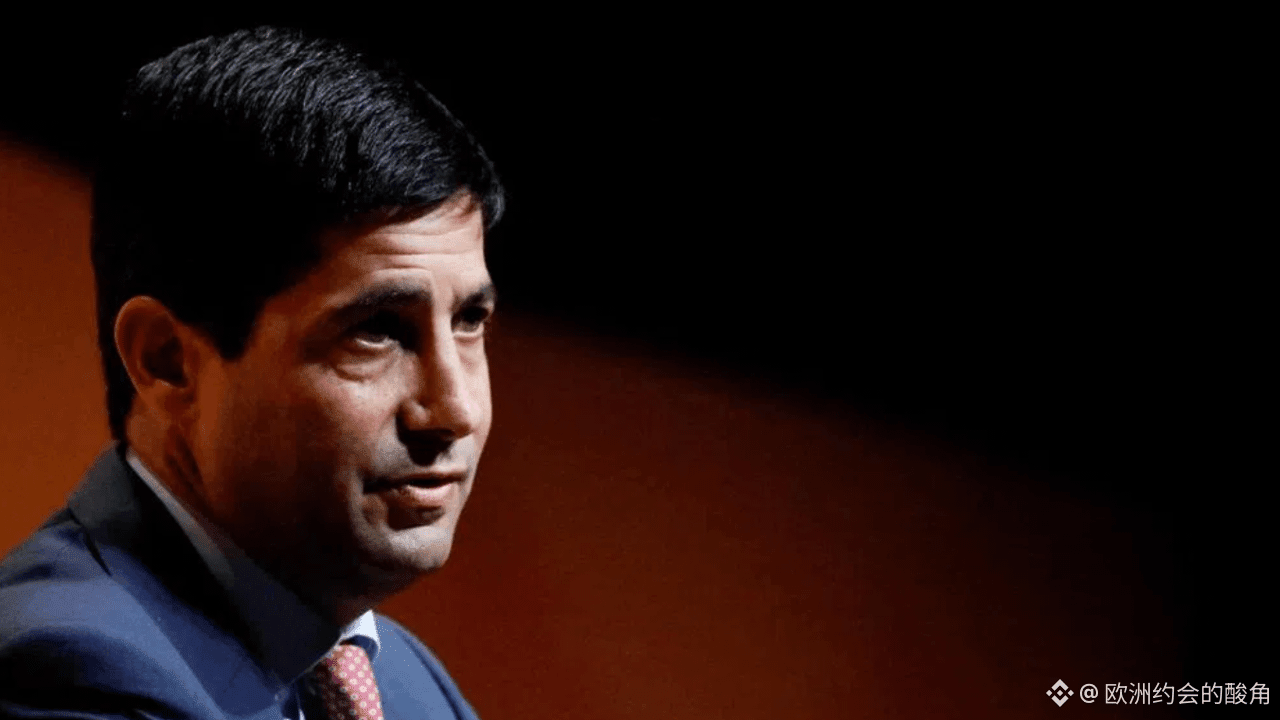
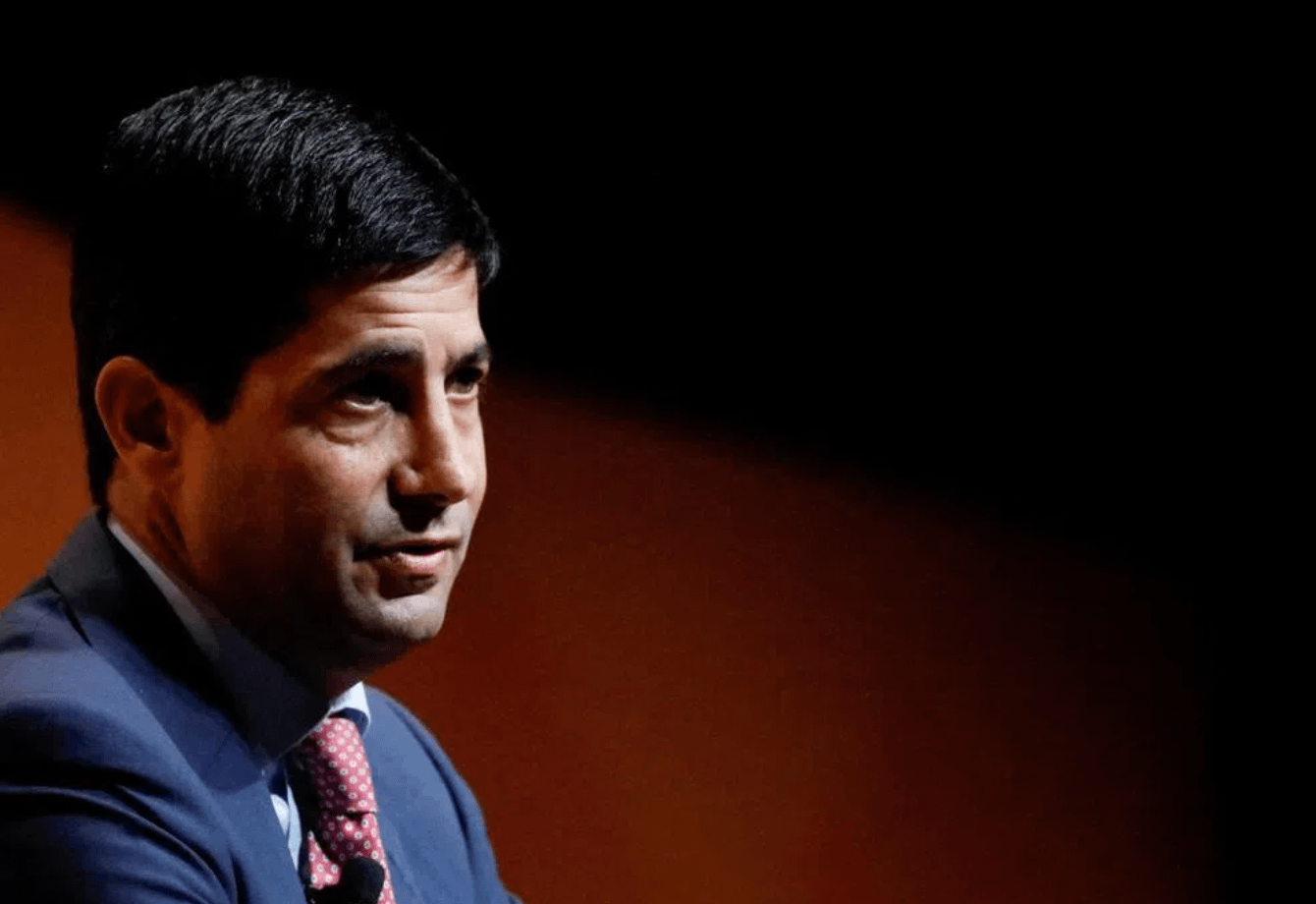
In the past decade, a pathological "Fed dependency" has developed in the global market: whenever the economy encounters a spark, everyone expects the central bank to douse the flames by injecting liquidity. However, with Waller's appointment, this "nanny" expectation will be thoroughly shattered.
Waller believes that the central bank should not be a savior on standby at all times, but rather a guardian of rules. He advocates for the Fed to transform into a "strict father," reducing the balance sheet to reclaim excess liquidity. This means that the speculative bubble built on audacity, leverage, and cheap funding will face a real reckoning under Waller's hard-core discipline.
Two, Core logic: Using AI productivity to unlock the 'impossible triangle'
Trump's demands on the Federal Reserve are very high: low interest rates, high growth, and a strong dollar. Under the traditional framework, this is almost an impossible deadlock because low interest rates are often accompanied by currency depreciation and inflation.
Wash's solution is: AI productivity.
Efficiency hedges inflation: As long as the speed of social production efficiency improvement exceeds the speed of currency growth, interest rate cuts will not trigger inflation.
Correcting the traditional curve: Wash advocates abandoning the outdated 'unemployment for inflation' theory. He believes that when AI and automation are applied on a large scale, production costs will plummet, and even if everyone has a job and salaries rise, prices can still remain stable.
Dollar credit returns: The future dollar credit will no longer depend on how much the printing press has printed, but on how much advanced AI productivity it can acquire.

Three, Capital orientation: Lower interest rates but do not 'flood the market'
Wash's policies are highly deceptive; many people see interest rate cuts as good for speculation, but in reality, it is not:
Front-end interest rate cuts: By lowering the benchmark interest rate, reduce the borrowing pressure on real enterprises and encourage production and R&D.
Back-end drainage: He advocates significantly reducing the Federal Reserve's balance sheet and draining the 'idle money' that is rampant in Wall Street banks.
This method of 'lowering interest rates and managing total volume' essentially drives capital away from meaningless speculative markets (such as cryptocurrencies, bubble stocks, gold) into real factories and technology development.
Four, Bank reform: From 'US debt gas station' to 'real power source'
Wash is about to modify banking regulations, which could trigger a major shock in the banking industry:
Punishing risk-averse behavior: He plans to increase the implicit costs of banks holding government bonds, making them aware that blindly buying for the government also carries risks.
Rewarding real lending: Lower the capital requirements for banks to lend to small and medium-sized enterprises and real industries. As long as enterprises have real productivity, the doors to credit will be open.
Result: Funds will flow like a flood from the illusory debt market to real technology and manufacturing, redefining the dollar from 'America's debt' to 'America's productivity.'
Five, 2026 Survivors List: Who is in the ruins, and who is on the throne?
Under Wash's power cycle, the dimensions of asset pricing have been completely changed:
Bearish: Speculative derivatives and non-interest-bearing assets
Gold, $BTC is the first to bear the brunt because when dollar credit is supported by real productivity and maintains high interest rate discipline, the attractiveness of these non-interest-bearing assets will significantly decline.
Unprofitable bubble tech stocks will face long-term pressure because the illusion of 'the Federal Reserve's safety net' has completely shattered.
Bullish: Solid cash flow 'hardcore strength'
AI real manufacturing, military infrastructure, and companies with extremely stable cash flows will become the darlings of the new era.
Those small and medium-sized enterprises that can directly reduce costs and increase output using new technologies will take over the discourse on the next round of wealth.
Conclusion
In 2026, the market will no longer believe in tears, nor in the Federal Reserve's bailouts. Wash is reshaping an extremely hardcore dollar system: anchored by AI productivity and wielding monetary discipline as a sword.
If you are still expecting to get rich through speculation, be prepared to be crushed by the tidal waves of the era; if you can see through this migration from 'virtual to real,' then beneath the ruins lies the true red rose of productivity.