

Rising geopolitical tensions around the Strait of Hormuz raise an important question for financial markets: how would a prolonged disruption of this key energy corridor affect Bitcoin and the broader crypto market? The strait is one of the world’s most critical energy chokepoints, with roughly 20 million barrels of oil and petroleum products passing through it each day. A significant disruption could therefore trigger a global energy supply shock.
The main issue is the lack of alternative routes. Pipeline capacity that can bypass the strait is limited, and a large share of global LNG trade also relies on this passage. If shipping flows decline significantly, oil and gas prices could rise sharply, pushing inflation higher and slowing global economic growth. Financial markets typically react through a chain effect: energy prices rise, inflation expectations increase, central banks face policy dilemmas, financial conditions tighten, and investors reduce exposure to risk assets.
For Bitcoin, this environment often creates short-term downside pressure. Since 2020, Bitcoin has behaved more like a risk asset than a traditional safe haven, often moving in tandem with equities during global stress events. Historical examples show that geopolitical shocks frequently trigger an initial liquidity-driven sell-off before markets stabilize.
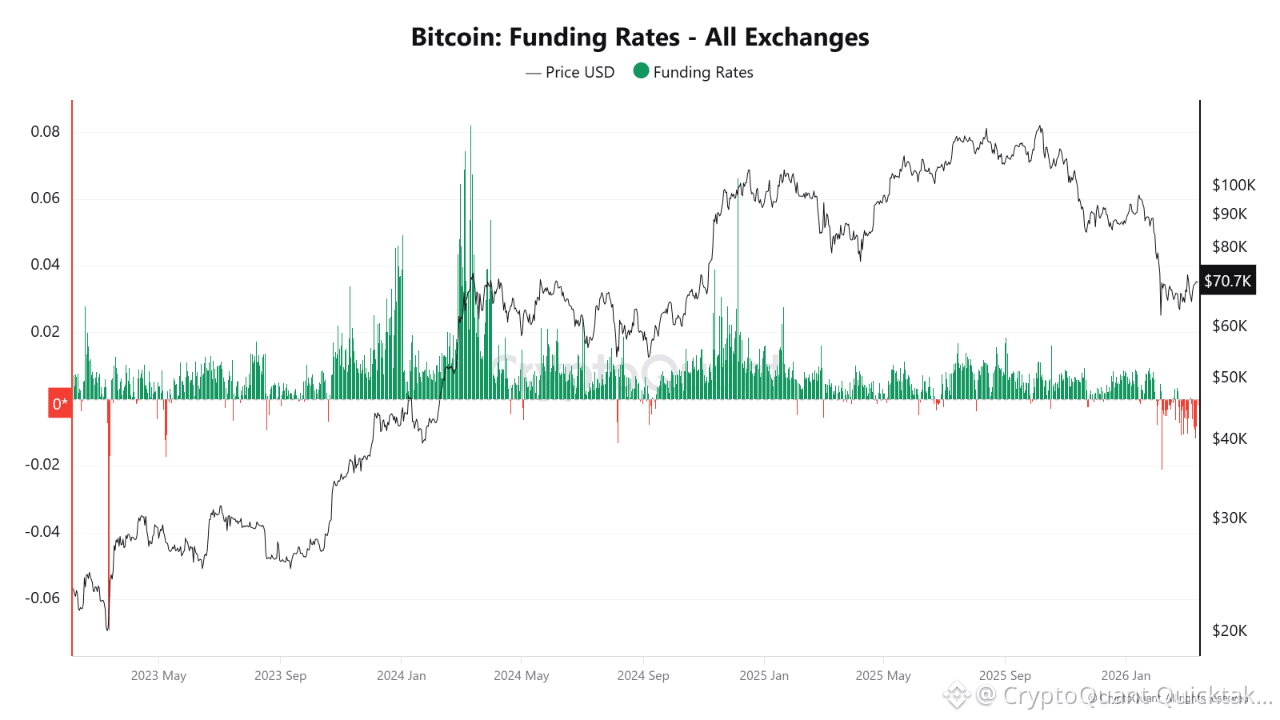
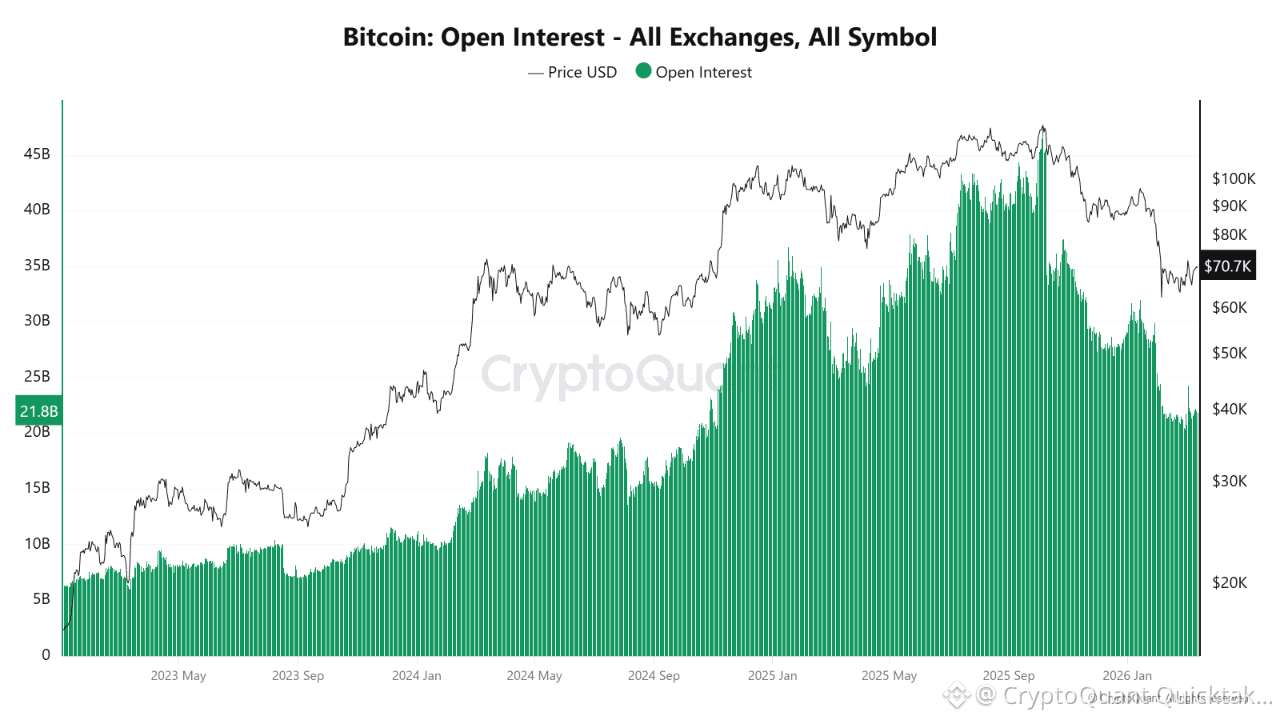
In this context, monitoring derivatives indicators becomes particularly important. Open Interest (OI) measures the total number of outstanding futures contracts and reflects how much leverage is active in the market. Funding Rates in perpetual futures indicate whether long or short positions dominate. When OI rises alongside extreme Funding values, it often signals crowded positioning and increases the risk of liquidation cascades during market shocks.
The impact of a Hormuz disruption on Bitcoin will depend less on the energy shock itself and more on how global liquidity, policy responses, and market leverage evolve in coming weeks.
Written by XWIN Research Japan