

Decentralization is one of the most overused words in Web3. It is often treated as a binary state: either a network is decentralized, or it is not. In reality, most early-stage ecosystems begin with a degree of central coordination before distributing validation power more broadly. The important question is not whether centralization exists. It is how it is framed, managed, and transitioned.
Mira Network currently operates under a centralized validator structure, with decentralization planned through a future Proof-of-Stake Authority model. On paper, this sequence is not unusual. Many networks begin with limited validator participation to maintain performance stability, governance clarity, and technical control during early growth. The difference lies in execution discipline and transparency.
Centralization in an early phase can create efficiency. Decisions are faster. Upgrades are smoother. Strategic pivots are easier to implement. For a project combining a mining-based acquisition layer with a dual-token economic structure, coordination complexity is already elevated. A fully distributed validator model from day one could introduce operational friction before the ecosystem stabilizes.
However, centralization also carries structural implications. Control over validation means control over transaction ordering, governance momentum, and economic policy adjustments. Even when exercised responsibly, concentrated authority shapes perception. In token economies, perception compounds into behavior.
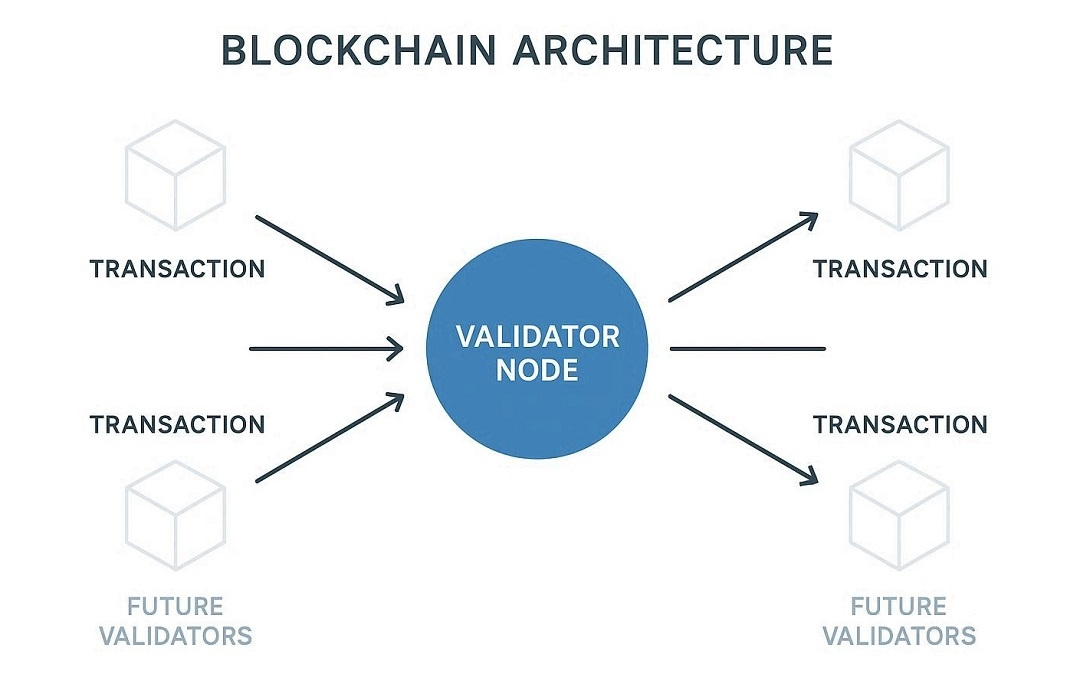
The transition toward a PoSA framework therefore becomes more than a technical milestone. It becomes a credibility checkpoint. A roadmap that promises decentralization must eventually demonstrate measurable validator expansion, transparent selection criteria, and incentive alignment. Otherwise, the architecture risks being perceived as permanently transitional rather than intentionally phased.
This is where Mira’s design choices intersect. A mining acquisition engine increases user volume rapidly. A dual-token structure separates volatility from internal economic logic. Both mechanisms add structural layers. Introducing decentralization into that mix requires clarity about sequencing. If mining scales faster than governance distribution, asymmetry can widen before it narrows.
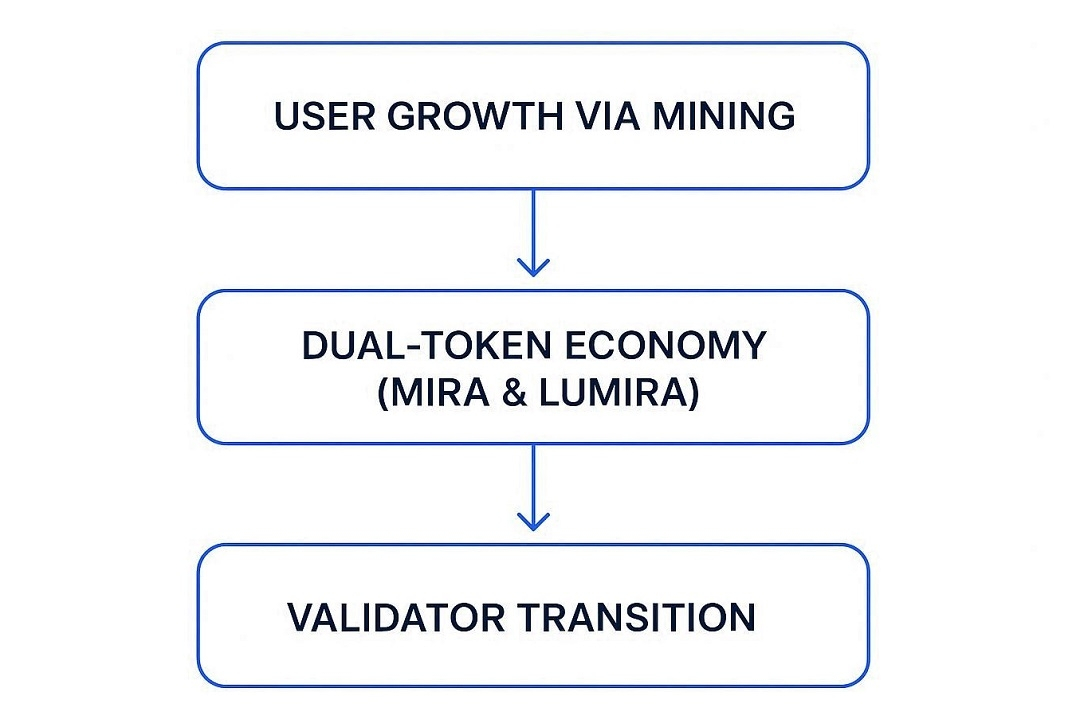
That does not imply inevitability of centralization drift. It implies timing sensitivity. Networks rarely collapse because of explicit decisions; they drift because transitional phases last longer than expected. The strength of Mira’s architecture will depend on how deliberately it moves from coordination efficiency to distributed validation authority.
Early centralization is not automatically a weakness. It can be a strategic phase. But strategic phases must have visible endpoints. In Mira’s case, the upcoming validator evolution is not a peripheral detail. It is foundational to whether the ecosystem’s growth engine and dual-token logic can operate within a structure that ultimately distributes power rather than accumulates it.
Decentralization is rarely about ideology. It is about incentive geometry. And incentive geometry becomes visible through validator design long before it becomes visible through marketing language.
@Mira - Trust Layer of AI $MIRA #Mira
