

Fabric Protocol first crossed my mind during a very ordinary moment in my daily routine. I was watching a delivery rider trying to navigate traffic while constantly checking his phone for directions and updates. At the same time I remembered seeing videos of warehouses where robots move packages faster than humans ever could. Everything looked efficient and impressive but something about it felt disconnected. Each system seemed powerful on its own yet separated from everything else around it.
The more I started paying attention the more I realized how many technologies around us operate in isolated environments. Apps talk only to their own platforms machines work inside closed networks and data rarely moves freely between systems. It made me think about how strange that is considering how interconnected the world feels today. We talk a lot about artificial intelligence and robotics changing the future yet most of these systems are still controlled by a few organizations behind closed doors.
That curiosity is what eventually led me to Fabric Protocol and I remember feeling a mix of interest and skepticism at the same time. The tech world often introduces big ideas that promise to reshape everything but many of them disappear before they truly matter. Still something about this concept made me pause. It was not just talking about smarter machines but about building a new environment where machines people and data could actually cooperate.
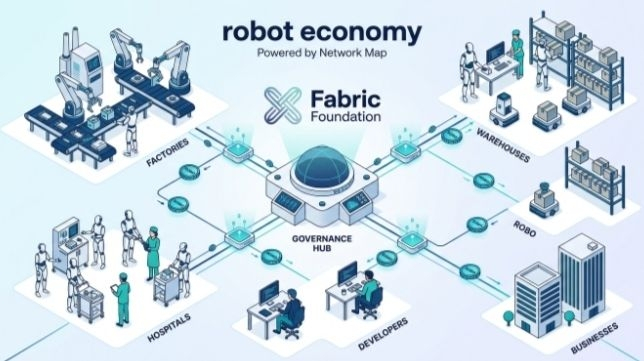
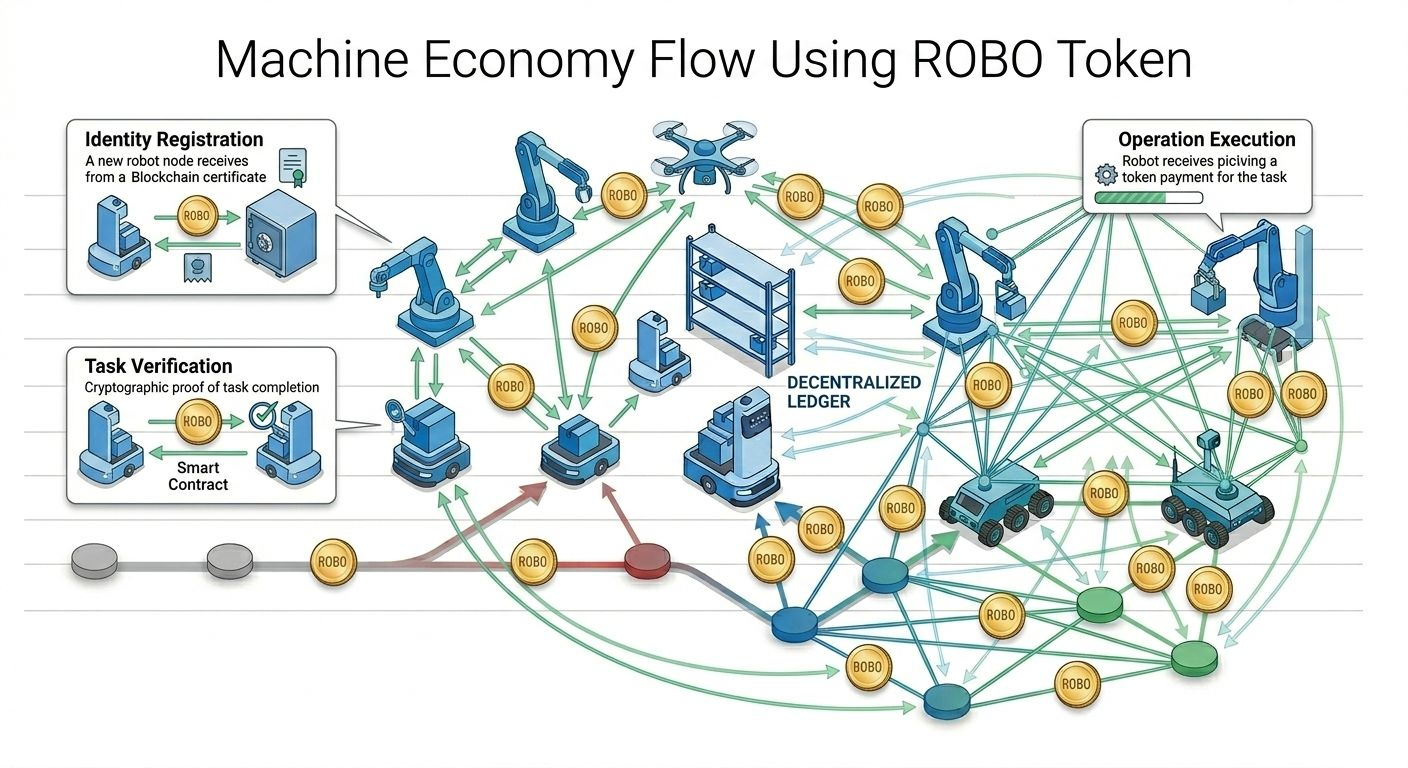
When I tried to understand it in simple terms it started making more sense. Fabric Protocol is trying to create a shared infrastructure where robotics systems and intelligent agents can operate together through transparent and verifiable systems. Instead of machines working in isolated platforms the protocol attempts to coordinate their data computation and interactions in a common network. It almost feels like building a digital foundation where collaboration becomes part of the design rather than an afterthought.
The way I personally imagine it is by thinking about how cities work. In a city millions of people operate within shared infrastructure like roads electricity and public systems. Those systems allow different individuals and organizations to function together even if they have never met before. Fabric Protocol seems to explore something similar but for intelligent machines and developers creating technology.
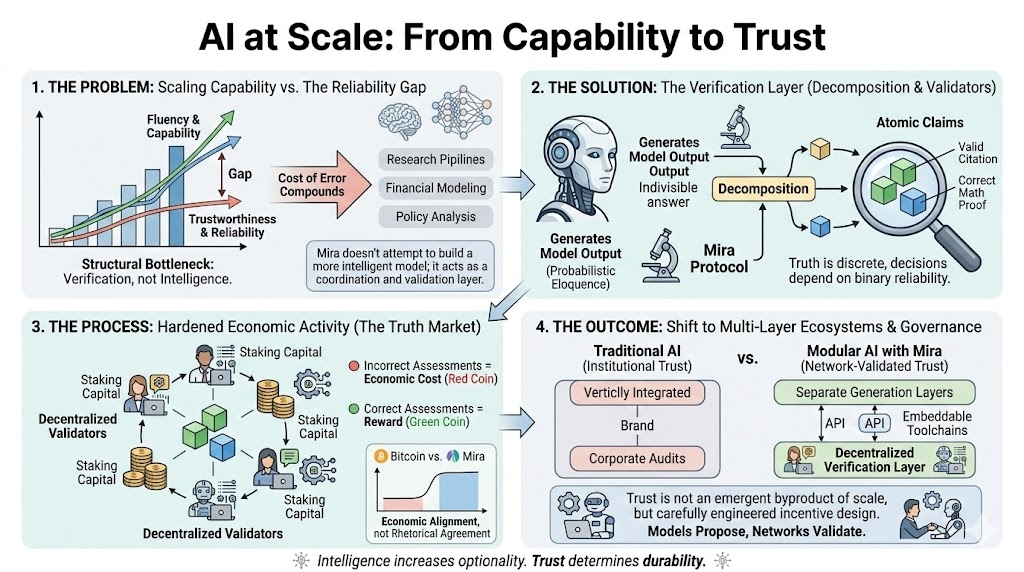
One thing that really caught my attention was the idea of verification. In most digital systems we simply trust that a platform is working correctly or honestly. But when machines begin making decisions and interacting with real environments trust alone may not be enough. Fabric introduces a way for actions and results to be verified through transparent processes which could become incredibly important as automation becomes more powerful.
Another concept that made me think deeply was infrastructure designed not just for humans but for intelligent agents. Right now most digital systems assume a human is always the one interacting with software. But that assumption is slowly changing. Autonomous programs robots and AI assistants are starting to make decisions perform tasks and interact with each other without constant human input. That shift could require an entirely new kind of digital infrastructure.
As I kept reflecting on this idea I started realizing that Fabric Protocol is really responding to a bigger transformation happening across technology. Artificial intelligence is advancing quickly robotics is becoming more capable and automation is spreading into industries we once believed would remain human dominated. Yet the systems supporting these technologies still feel limited and centralized.
If machines continue evolving inside closed ecosystems the pace of collaboration might stay restricted. But if shared frameworks emerge where developers researchers and machines themselves can coordinate more openly the possibilities could expand dramatically. That thought alone made me see the concept from a completely different perspective.
At the same time I cannot ignore the challenges that come with such an ambitious idea. Building open infrastructure for robotics is far more complex than building a normal digital platform. Machines interact with the physical world which introduces safety concerns regulations and technical difficulties that software alone does not face. Turning this vision into something practical will require careful engineering and long term commitment.
I also find myself wondering how quickly industries would adopt something like this. Many organizations prefer systems they already understand rather than experimenting with new infrastructure. Convincing companies developers and researchers to collaborate within shared frameworks could take time and patience.
Still when I step back and think about the bigger picture the direction feels incredibly meaningful. Technology often moves forward through invisible layers of infrastructure. The internet connected computers around the world cloud computing allowed services to scale globally and decentralized systems introduced new ways of coordinating trust.
Fabric Protocol feels like it might be exploring the next layer of that evolution. Instead of focusing only on smarter machines it is asking a deeper question about the environment those machines operate in. What if robots AI systems and humans could collaborate within open networks designed for transparency coordination and shared progress.
The more I think about it the more I realize the future of robotics might not just depend on better hardware or more advanced algorithms. It might depend on the systems that allow these technologies to communicate learn and cooperate across boundaries
Fabric Protocol may or may not become the foundation of that future but it represents a fascinating attempt to rethink how intelligent systems fit into the world we are building. And sometimes the most important ideas do not arrive with loud announcements. They appear quietly and slowly reshape the way we imagine what technology could become.