
I want to talk about something that most robot coverage leaves out: how an old HTTP error code from the 1990s became the key to giving robots the ability to handle money on their own.
In 1995 the HTTP 402 status code was set aside with a description that said "Payment Required." The people who built the internet back then thought that one day online services would automatically charge payments.. It did not happen. The system for handling payments was not ready. So the code just sat there unused for thirty years. It was like a fossil in every web standard just waiting.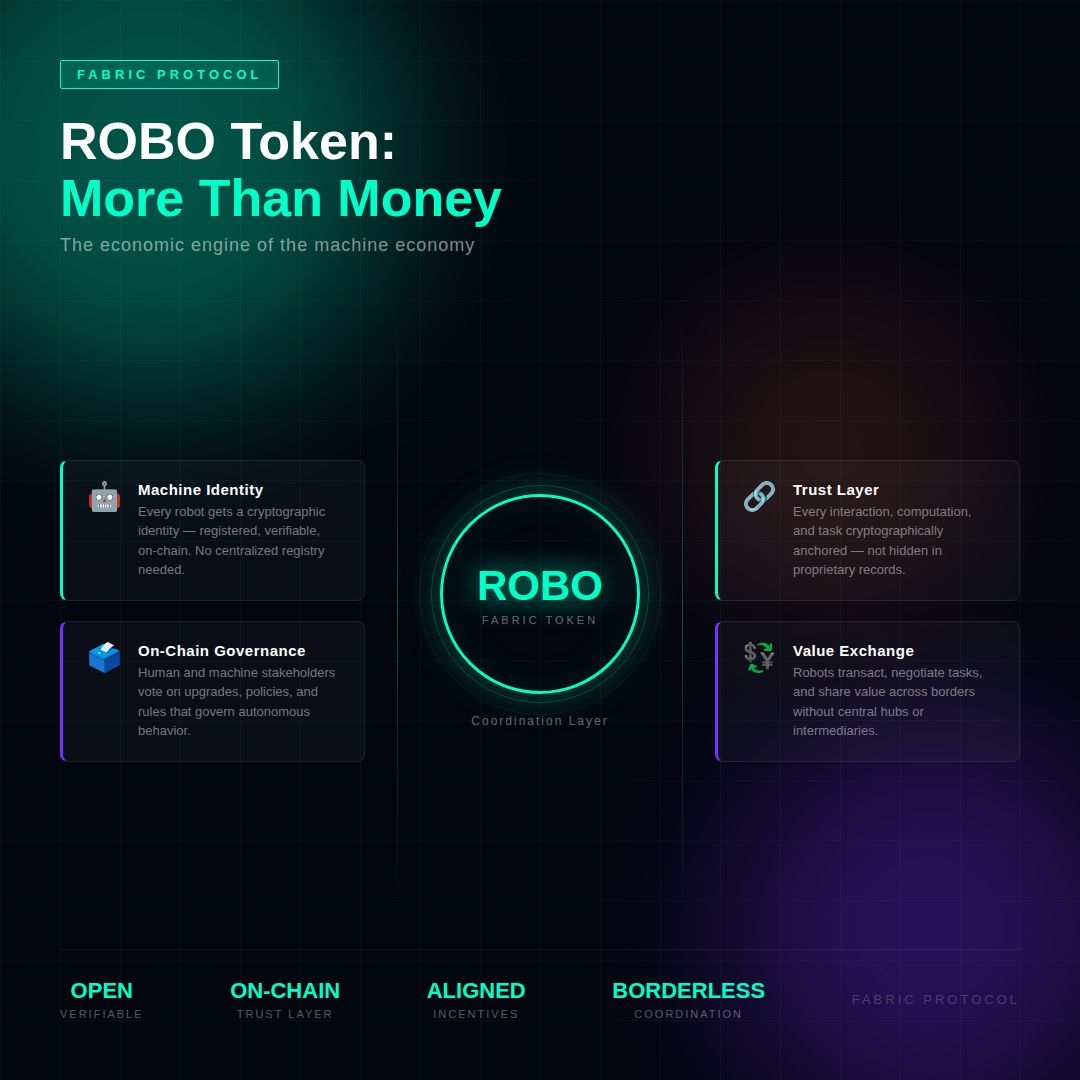
Then Fabric Foundation started working with Coinbase and Circle the company that issues USDC. They brought this code back to life.
The x402 protocol, which is based on this HTTP code creates a way for machines to make payments that is natural for them. When a robot that is running OM1, Fabrics open-source operating system needs to pay for electricity at a charging station it does not need a human to approve the payment. The robots identity on the blockchain starts the payment process.
The charging stations system checks to make sure it is valid. USDC is used to complete the transaction. It all happens very quickly. The whole thing happens without a human being involved.
This might sound like a change.. It is not. It is the time that the system for handling payments and the system for machines have been truly integrated, rather than just being connected as an afterthought.
Think about what this means. A delivery drone that finishes a route can pay for bridge tolls, fuel and maintenance costs on its own using the money it earned from the job. A robot that takes care of people can get paid for its work pay for its own electricity and save the rest to improve its skills all in the same payment cycle.
A robotic arm in a warehouse can rent out its capacity to other companies get paid in USDC and convert it to ROBO all without a human being involved in the finances.
This makes it possible for a machine to really earn, spend and save money, which's something that was only theoretical before.
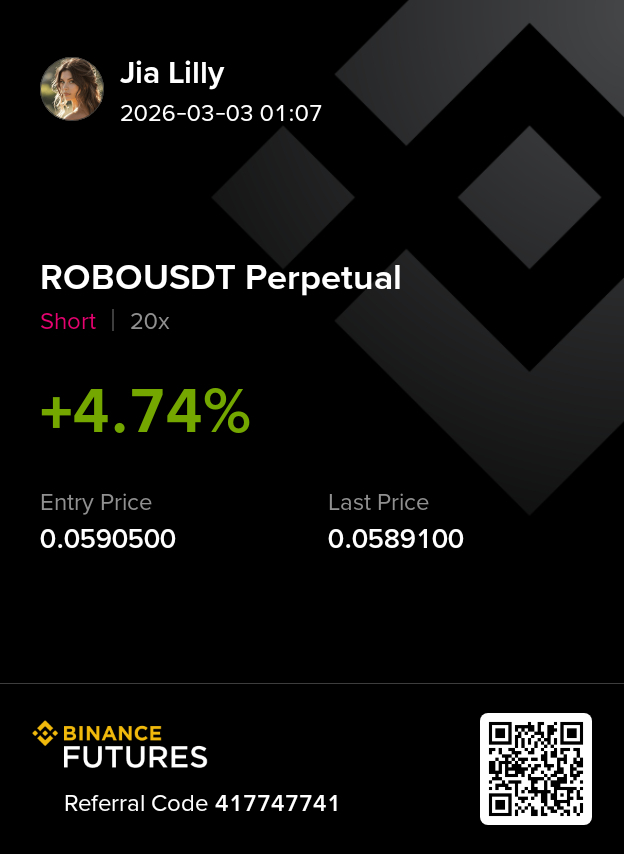
ROBO is at the center of all this. It is needed to participate in the network. It is used to register identities. It is used for voting on governance. The protocols way of making money puts earnings back into buying ROBO on the open market, which creates demand that comes from real machine activity, not just speculation. The demand for the token is tied to how real work the robots are doing, not just what people think about it.
The hardware part of this is also important. Fabrics FC1000 VPU chip solves a problem that makes the whole system more believable: it can verify that a robot did a task without needing to know all the details. This is important for zero-knowledge proofs, which are needed to verify robot work on the blockchain.. These proofs are very expensive to do on regular computers. The VPU chip is specifically designed to do this kind of math. It is about eleven times faster than regular computers for certain types of proofs.
This matters because it makes it possible to verify robot work on the blockchain in a way that's affordable at a large scale. If it costs more to verify that a robot did a task than the task itself is worth then the whole system does not make sense. Cheap and fast verification is necessary for a robot economy to work it is not a nice extra feature.
Polygon Labs seems to understand this because they invested five million dollars in VPU servers before they were even made. There have been pre-orders more than sixty million dollars. The hardware is being treated like infrastructure by the people who build infrastructure.
The operating system that all of this is based on OpenMinds OM1 is designed to work with any kind of hardware. It is like how Android made it possible for anyone to develop software. Robots that walk on four legs, robots that walk on two legs and robots that move on wheels can all use the operating system and access the same marketplace for skills. They can do things like laundry, sort inventory and navigate around people. Each skill is like a package that can be published and used by any robot.
The way that people can participate in this system is also important. People who cannot afford robots can still be involved by contributing ROBO to a pool. This pool is used to buy robots.
The revenue they generate is divided among the contributors. This turns owning a robot from something that only rich people can do into something that anyone can be a part of.
The question is, will all of this work as planned? The operating system is already being used. The VPU chip pre-orders are strong. The x402 integration is working. But big companies deploying robots depends on things like how fast hardware can be made what rules are in place. When companies are ready to adopt this technology. These are things that no token or system can speed up.
What Fabric has built is a foundation. The question is, will the rest of the building match what the foundation was designed for?
I will be watching to see how many VPU chips are delivered in the half of the year. This will be the real sign that the plans, for the hardware are working.