Fast progress now pushes robotics ahead. Science fiction ideas gradually show up in daily life. Devices able to shift position, sense environments, yet choose actions exist beyond lab walls. With smarter robots arriving, a tougher question stands out - can clever machines cooperate well across the planet?
This thought takes a sharp turn once you see what Fabric Foundation stands for.
Starting out with Fabric Foundation, my eyes opened to what really matters, less robot-making, more connection-building. Not just crafting machines, yet shaping how they work together behind the scenes. Looks minor at first sight, though the longer I sat with it, the heavier it felt. What seems narrow turns wide when you dig.
A single vehicle moves alone, yet streets shape how every trip unfolds. Without lanes or signals guiding motion, journeys collapse into disorder. This company builds those pathways for robots instead of vehicles, silent links letting devices exchange data, adjust timing, follow shared routes. Connections turn isolated actions into movement that makes sense.
Robots rely heavily on streams of information, which might surprise some. From the moment they start operating, sensors feed details nonstop into their core systems. Cameras capture surroundings while artificial intelligence pieces together what’s seen. Because of this flow, machines can spot barriers without hesitation. Objects become clear to them almost instantly. Movement shifts happen smoothly, guided by fresh inputs arriving every second. Understanding environment changes comes naturally when data keeps pouring in.
Picture a world where robots pass along what they learn, like notes in class. One machine figures out a better way to move, another picks up how to grip things without slipping, these tricks might spread. Think of it as learning that travels through wires instead of staying stuck in one body. Over weeks, months, these small upgrades add up quietly. Smarter moves today could mean smoother work tomorrow, no grand plan needed. Knowledge hops from bot to bot, not because it has to, but because it can.
Looking back, it makes sense why teamwork here just clicks. Breakthroughs often pop up not in silence but where thoughts mix freely between minds. When builders swap insights instead of guarding them, machines start evolving faster than before. Learning flows both ways once robots tap into human know-how inside one connected space. Speed picks up when knowledge moves without walls.
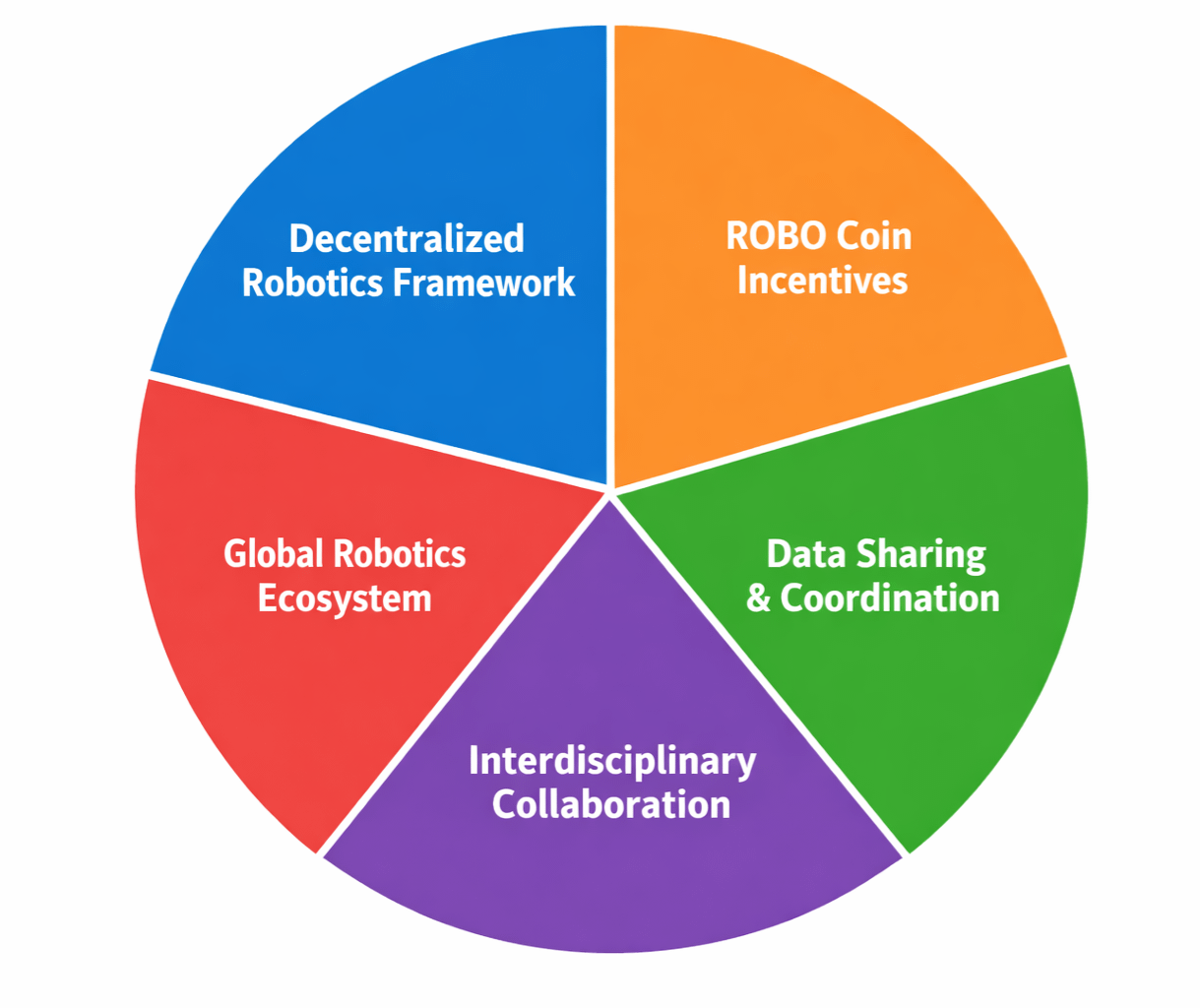
Out here, ROBO coin plays a quiet but key part. These digital tokens go to folks helping the system grow. Help might mean coding smarter routines. Maybe it's upgrading robot parts by hand. Pulling insights from streams of numbers counts too. Even keeping the background systems alive matters just as much.
What makes this system stand out is how it pulls people in. Growth doesn’t hinge on just a few coders but spreads wider, fuelled by input from folks anywhere.
Robots have come a long way, hitting targets once thought impossible. Moving through tricky spaces is something many handle without issue today, thanks to smarter software under the hood. Spotting items isn’t guesswork anymore, cameras and code make it routine. What seemed like science fiction just a short while back now shows up in factories, labs, even homes. Learning on the fly used to be out of reach, but machines now adjust when things change around them. Progress crept in quietly, turning rare feats into everyday functions.
Fascination strikes every time I think about robots, how they pull from so many areas at once. Building one goes beyond gears and metal frames; it leans heavily on code, smart decision systems, ways to sense surroundings, interpreting information patterns, sometimes even human-centered design ideas.
Folks involved in Fabric Foundation appear aware of how tangled things can get, so they nudge experts from separate worlds to work side by side. Instead of staying in isolated corners, engineers team up with coders, scientists link with creators, forming a space where one person's knowledge fills another's gap.
Lately, talk about ROBO coin has picked up pace. A change is showing in how folks view online money worlds. While most crypto ties into banking, games or virtual items, robot-driven networks bring something else entirely, digital brains now talking straight to real-world hardware.
Fabric Foundation? To me, it's less about quick wins, more like planting seeds for decades ahead. A worldwide network of robots doesn’t pop up in a weekend. Try, fail, learn, then do it again with others beside you, that’s how it grows.
A single spark often lights big changes in tech. Before anything spreads, basic pieces must fall into place, like roads before cars. Think of how the web started slow, built on shared rules and linked wires. Machines that move might follow the same path. Foundations matter most when no one notices them.
Fabric Foundation seems to be testing out possibilities, what shape it might take slowly comes into view. A different idea emerges each time, without warning.
When robots move into areas such as farming, shipping, factories or city jobs, getting them to sync up matters more each day. Machines sharing tasks smoothly might quietly define what comes next, without fanfare, just function.
Because of this, efforts such as the Fabric Foundation catch your eye. Not only are they crafting tools for now but also imagining teamwork between smart systems far into the future.
@Fabric Foundation #ROBO $ROBO