
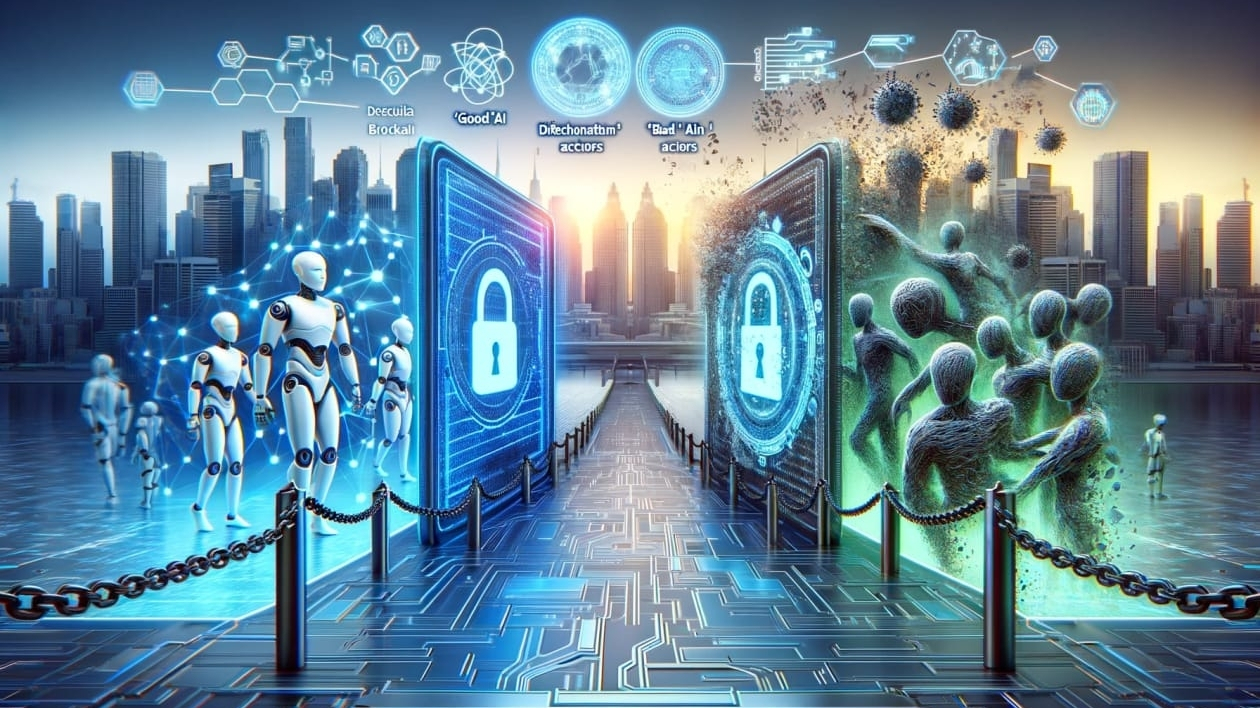

I read about a lot of projects every week. Honestly… too many. Most of them start blending together after a while. Same buzzwords. Same promises. AI, robotics, automation, future economy, revolution… you know the drill. Big shiny vision on the surface, but when you look closer it’s usually just another token looking for a reason to exist.
So yeah, I’ve gotten pretty quick at tossing things into the “probably hype” pile.
Fabric Foundation almost ended up there too.
But something about it made me slow down for a second.
Not because it had the loudest marketing. It doesn’t. And not because everyone on the timeline suddenly started shouting about it. That usually makes me more suspicious, not less. What caught my attention was the question the project seemed to be asking.
Most AI or robotics projects focus on making machines smarter. Faster. More capable.
Fabric is looking at a different problem. A simpler sounding one… but actually messier.
What happens when machines need to operate economically?
Like really operate. Not just perform tasks.
Think about it for a second. If machines start doing real work — delivering things, processing data, running services, managing infrastructure — how do they prove what they are? How do they get paid? Who verifies that the job was actually done? And what happens when something breaks or goes wrong?
Those questions don’t get talked about enough.
Because it’s not a flashy conversation. It’s infrastructure stuff. And infrastructure always sounds boring until you realize nothing works without it.
That’s kind of where ROBO comes in.
When I look at tokens now, the first thing I ask is simple: does this thing actually belong here?
A lot of projects build a token first… and then spend months trying to invent reasons why it matters. It’s backwards. And you can usually feel it.
With ROBO, at least from what I’ve read, it’s meant to sit inside the system Fabric is building. Payments between machines, identity verification, coordination across the network, settlement of tasks. That’s the role it’s supposed to play.
Now look… I said supposed to.
Because whitepapers are cheap. Anyone can write a neat document and draw clean diagrams. Reality is always uglier than the concept.
Machines don’t just need a way to send money around. They need trust layers. They need proof that work actually happened. They need accountability when something fails. Otherwise you just have wallets sending tokens back and forth for no real reason.
And we’ve already seen plenty of that.
What made Fabric interesting to me is that it seems to be thinking about those pieces — identity, coordination, verification — instead of just focusing on transactions alone.
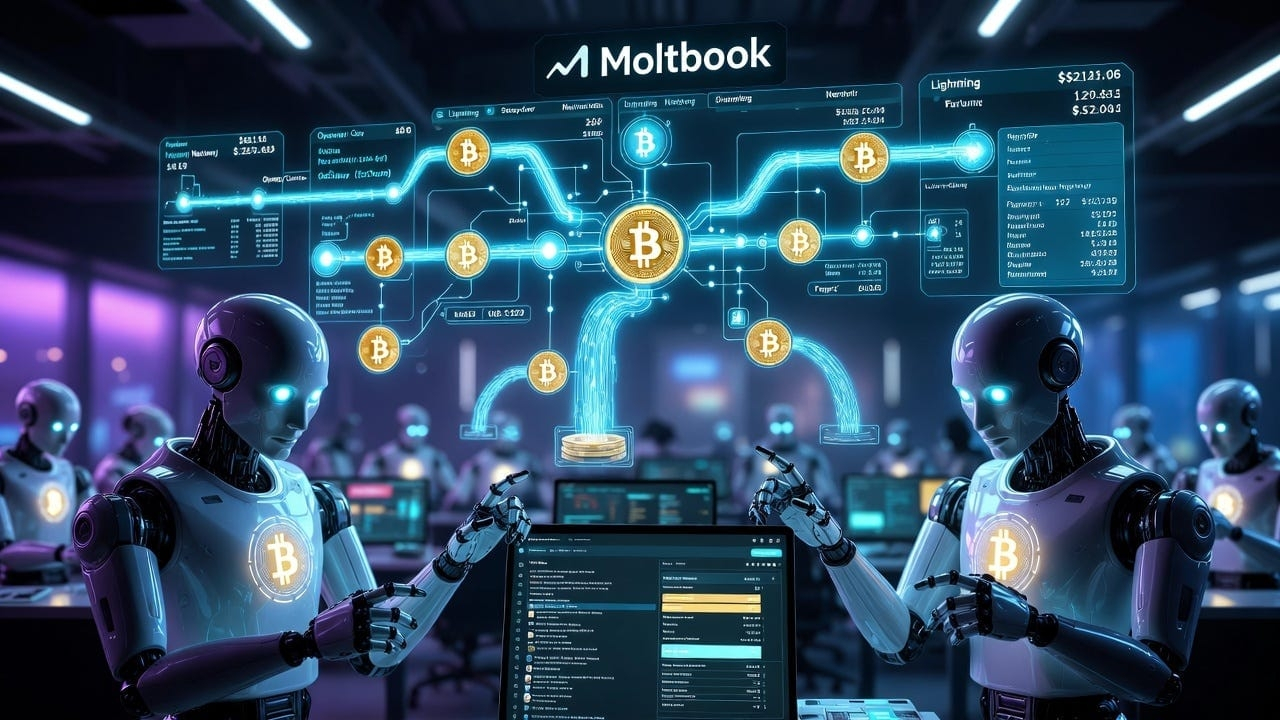
That’s closer to the real problem.
If machines are going to participate in an economy someday, they can’t just exist as anonymous wallets floating around on a chain. The network needs to know what they are, what they’re doing, and who’s responsible if things go sideways.
That part is way more interesting to me than short-term token hype.
I’m honestly less concerned about whether ROBO pumps for a few weeks and more curious about whether Fabric ends up building something the market actually needs later.
Because if autonomous systems really start operating at scale — and that seems pretty likely — then the old infrastructure we use today starts looking… awkward. Slow. Too human-dependent.
Machines probably need their own rails.
Cleaner ones.
Native ones.
At least that’s the idea.
The real test is whether Fabric stays a theory project or turns into something heavier. Something that can actually carry machine activity instead of just carrying speculation.
That gap between idea and reality is where a lot of smart projects die.
Good concept. Bad execution.
Clear thesis. No adoption.
It happens all the time.
So I’m not sitting here convinced that Fabric will definitely succeed. Not even close. I’ve watched this space long enough to stay cautious. Probably always will.
But I will say this.
I’d rather watch a team wrestle with the messy problems of machine identity, coordination, and payments… than read another AI project that’s basically polished vapor.
Fabric feels like it’s at least pushing against a real point of friction.
And in markets full of noise, that alone is enough to make me pay attention for a little longer.
Maybe it works. Maybe it doesn’t.
But useful things usually start exactly there — right where the friction is.