

Let me begin with complete candor: I believe Fabric Foundation is one of the most innovative initiatives in crypto today. The idea of machines talking to machines, paying their own bills to be charged, and working without human intervention is just groundbreaking.
But the more I sit with it, the more one uncomfortable question keeps nagging at me.
Who is legally responsible when a robot gets it wrong?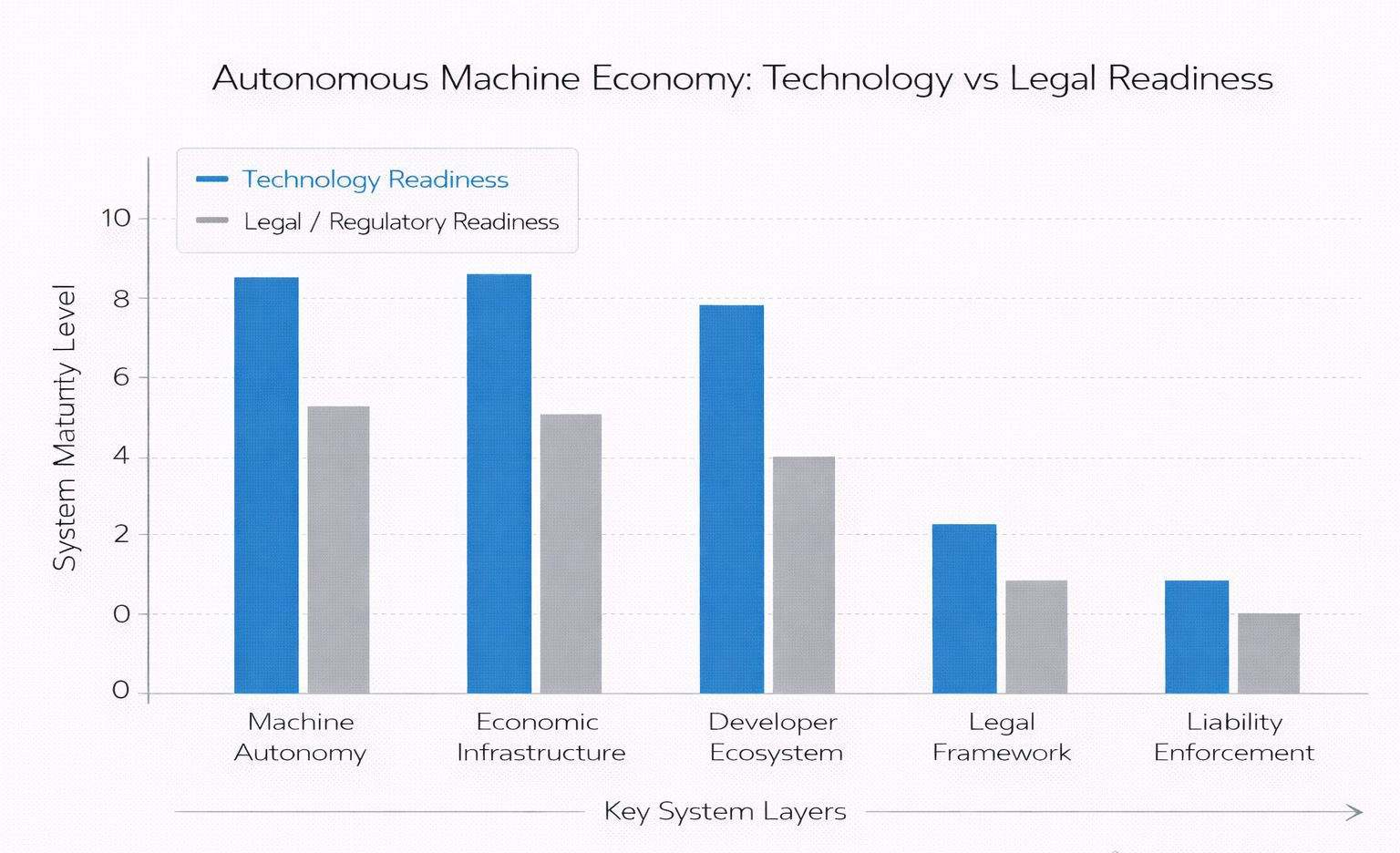
We talk so much about the technology. We talk about the tokenomics, the OM1 operating system, the ROBO token burns, and the exchange listings. But we barely discuss the massive legal and ethical gray area we are walking into.
Imagine this scenario. A delivery robot built by one manufacturer, running a navigation skill developed by a solo dev in another country, pays a charging station owned by a third party. The robot parks, charges, and then leaves. But due to a software conflict, it causes a fire that damages property.
Who pays? Who goes to court?
The robot holds ROBO in its wallet, sure. But a wallet isn't a person. You can't sue a wallet. You can't hold a line of code accountable for negligence.
Fabric is building the economic rails, 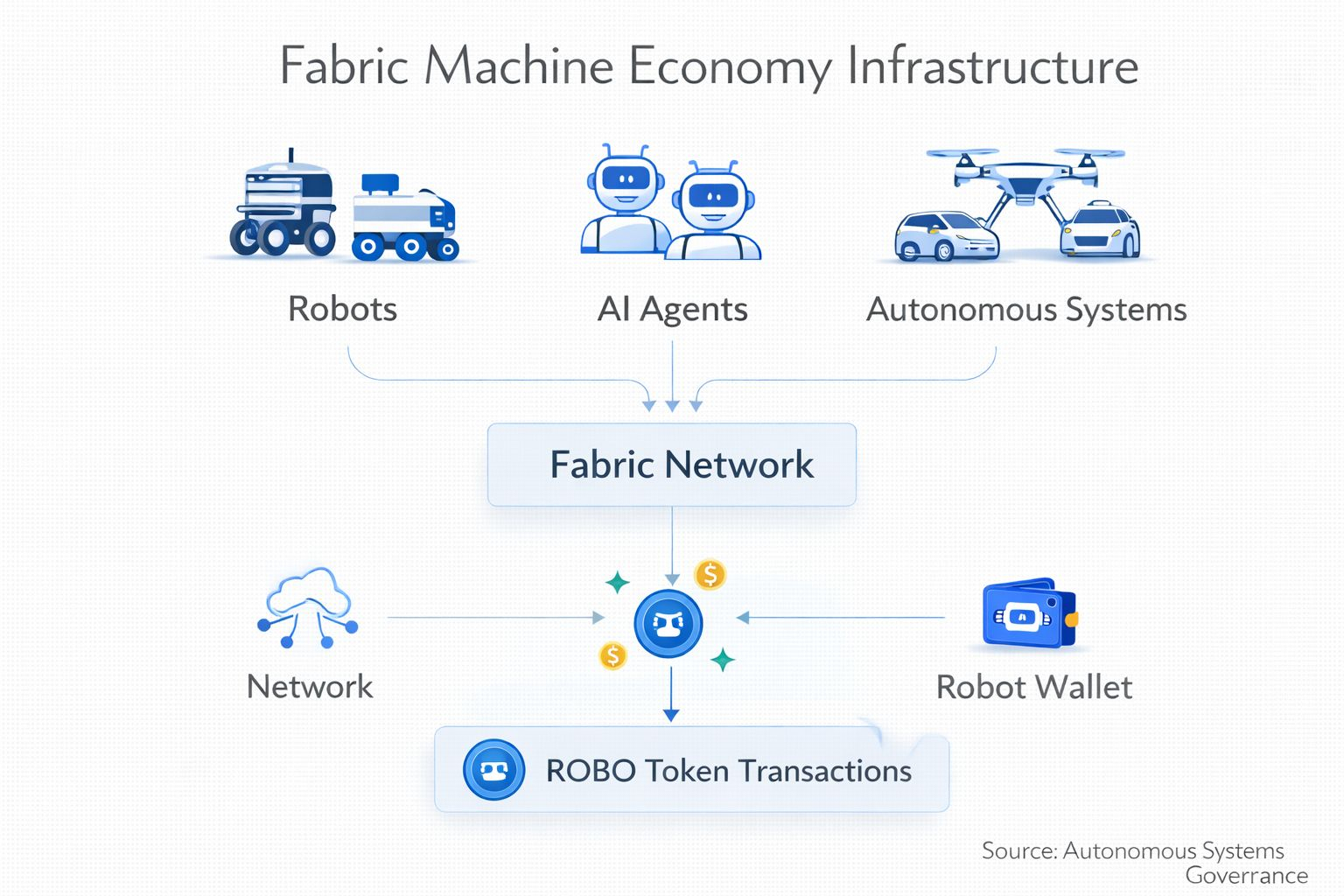 which is incredible. But the society around it hasn't caught up. We don't have laws for machine-to-machine liability. We don't have frameworks for autonomous agents entering into contracts. If a robot funded by a DAO causes an accident, do we sue every member of the DAO? Do we drain the robot's treasury?
This isn't a criticism of Fabric itself. In fact, I think they are doing the hard work of building infrastructure that will force us to have these conversations. But as an observer watching from the outside, it feels like we are building a high-speed train before laying down the tracks of regulation and social agreement.
The ROBO token might skyrocket. The ecosystem might grow. But the real test won't come from technology. It will come the first time a machine-funded-by-crypto causes real-world harm and the lawyers come knocking.
We aren't ready for that conversation yet. And honestly, that worries me more than any code vulnerability ever could.