

A contrarian take on why Bitcoin didn't collapse when the missiles flew and what it means for the next decade.

The Moment of Truth
March 2025. U.S.-Israeli airstrikes hit Iranian nuclear facilities. Oil spiked 8.7%. Gold jumped 3.2%. Traditional markets went into full risk-off mode.
Bitcoin? It dipped 4% then recovered to 69,000 within 48 hours, eventually rallying past 74,000 .
This wasn't supposed to happen. For years, skeptics argued BTC would crater during geopolitical crises because it's "just another risk asset." The 2022 Ukraine invasion seemed to prove them right Bitcoin tanked alongside equities.
But 2025 was different. And that difference tells us something profound about where crypto sits in the global financial architecture.

From Macro Beta to Geopolitical Hedge
James Butterfill at CoinShares nailed it: geopolitical risk has overtaken Fed policy as Bitcoin's primary volatility driver . This is a structural shift, not a blip.
What changed:

- Institutional maturation:
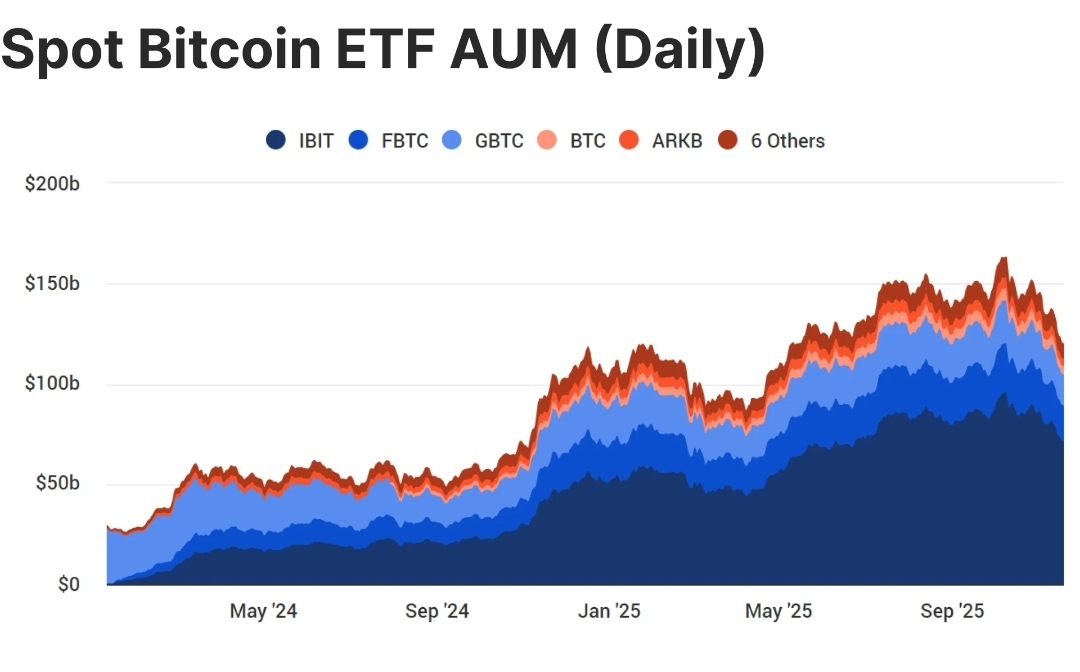
ETFs and corporate treasuries created sticky capital that doesn't panic-sell on headlines.
- Narrative evolution:
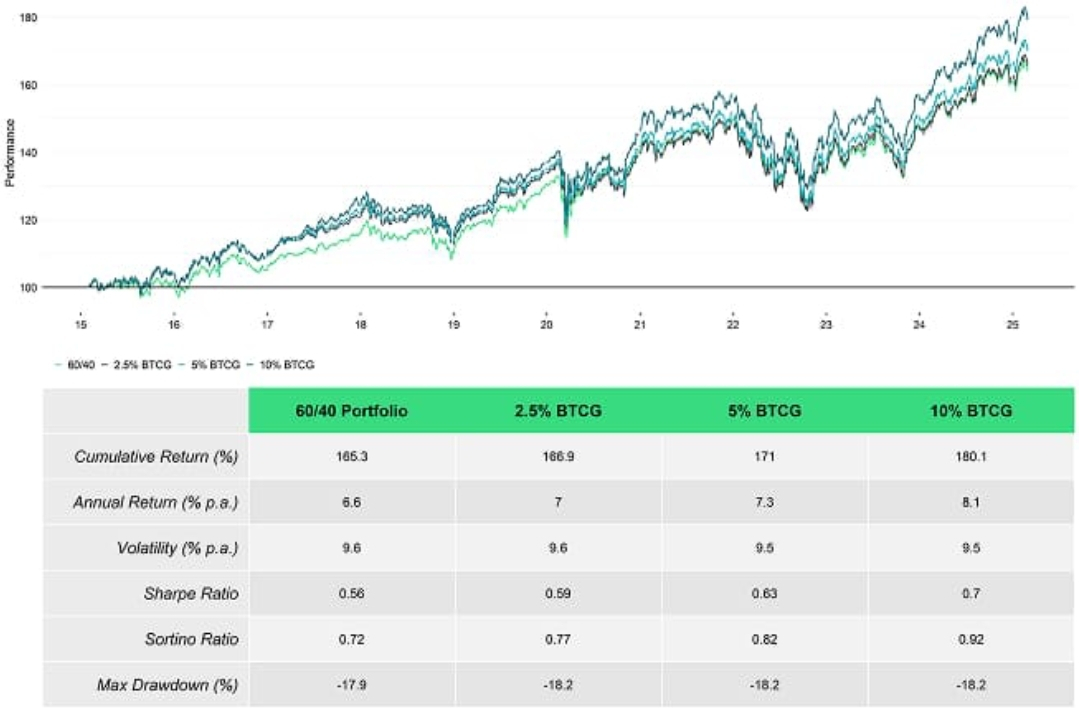
"Digital gold" stopped being marketing fluff and became actual portfolio positioning.
- Geographic diversification:
Asian and Middle Eastern capital now provides counterbalance to Western risk-off flows
The result? Bitcoin increasingly behaves like a geopolitical hedge rather than a liquidity proxy. When traditional safe havens (gold, Treasuries, USD) face their own existential pressures currency debasement, debt sustainability, sanctions blowback crypto offers an orthogonal escape route.
The Shadow War: 104 Billion in Plain Sight
Here's where it gets uncomfortable. The same resilience that attracts legitimate capital also enables sanctions evasion at industrial scale.
Chainalysis data shows sanctioned entities received 104 billion in crypto in 2025 a 694% surge . This isn't retail speculation; it's nation-state financial infrastructure:
- Russia's A7A5 stablecoin: 93.3 billion in cross-border settlement volume, purpose-built to circumvent SWIFT exclusion.
- Iran's IRGC networks: 3+ billion to fund proxies like Hezbollah and Hamas, with on-chain activity spiking during military escalations.
- North Korea: 2 billion stolen in 2025 alone, including the record 1.5 billion Bybit hack.
The "resilience" of crypto networks cuts both ways. Permissionless systems don't distinguish between Venezuelan families hedging hyperinflation and Russian oligarchs evading sanctions .
The New Trilemma
Crypto now faces a geopolitical trilemma that will define the next cycle:
1. Censorship resistance vs. regulatory legitimacy
- You can't have both. Exchanges are increasingly forced to choose between permissionless ethos and banking access.
2. State adoption vs. decentralization
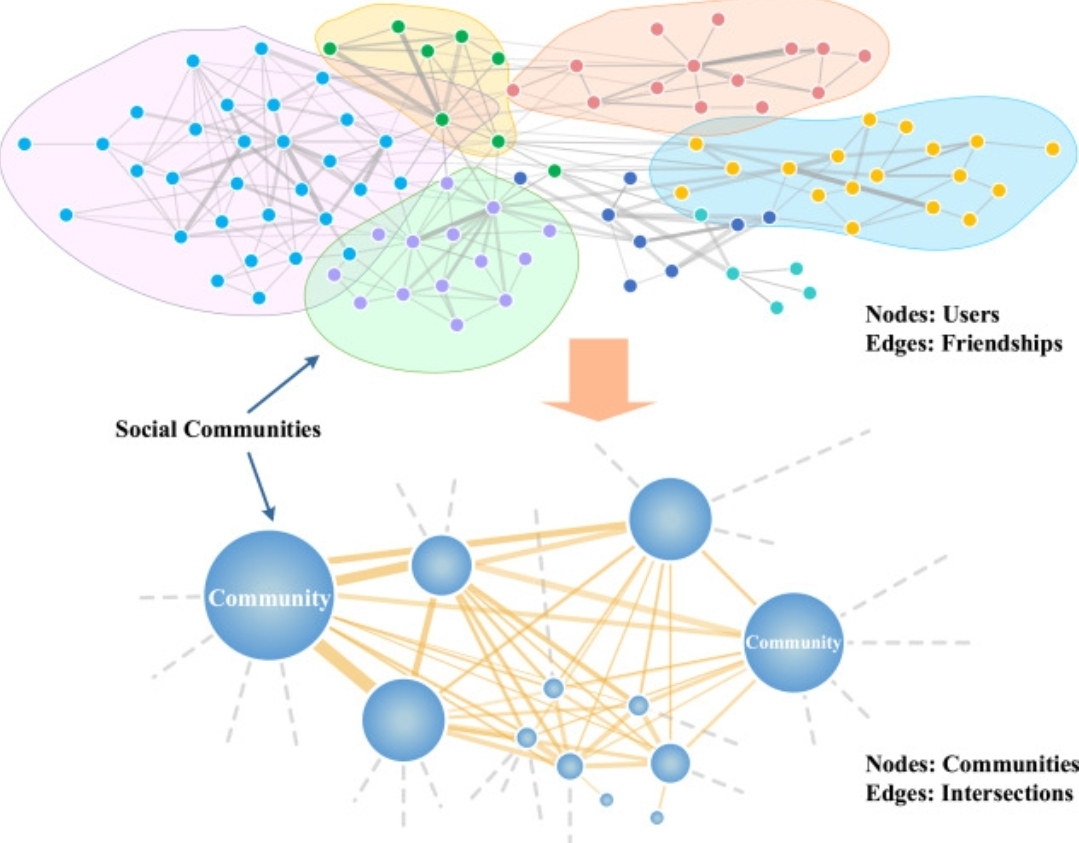
- Russia and Iran aren't adopting $BTC they're building parallel financial rails. This centralizes risk rather than distributing it.
3. Retail protection vs. open access
- The same features that protect dissidents enable scammers. Southeast Asian "pig butchering" operations processed billions through crypto rails .
The Bull Case Nobody's Talking About
Forget the halving. Forget ETF flows. The real driver of crypto resilience in 2025 was sanctions overreach.
When the U.S. weaponized the dollar system aggressively freezing Russian reserves, threatening secondary sanctions on Chinese banks it created a permanent demand for alternative settlement layers. Not because crypto is "better," but because it's outside the system.
This creates a structural bid that persists regardless of:
- Fed policy
- Inflation prints
- Tech earnings
It's a geopolitical put option that grows more valuable as great-power competition intensifies.
The Counterintuitive Trade
If you believe the 2020s will feature continued deglobalization, sanctions proliferation, and currency bloc formation crypto isn't a speculation, it's essential portfolio infrastructure.
But if you believe the West will successfully harmonize regulations and choke off illicit flows through centralized chokepoints (exchanges, stablecoin issuers, mining pools) the "resilience" narrative collapses.
The market is currently pricing the former. The 2025 data suggests it's right.
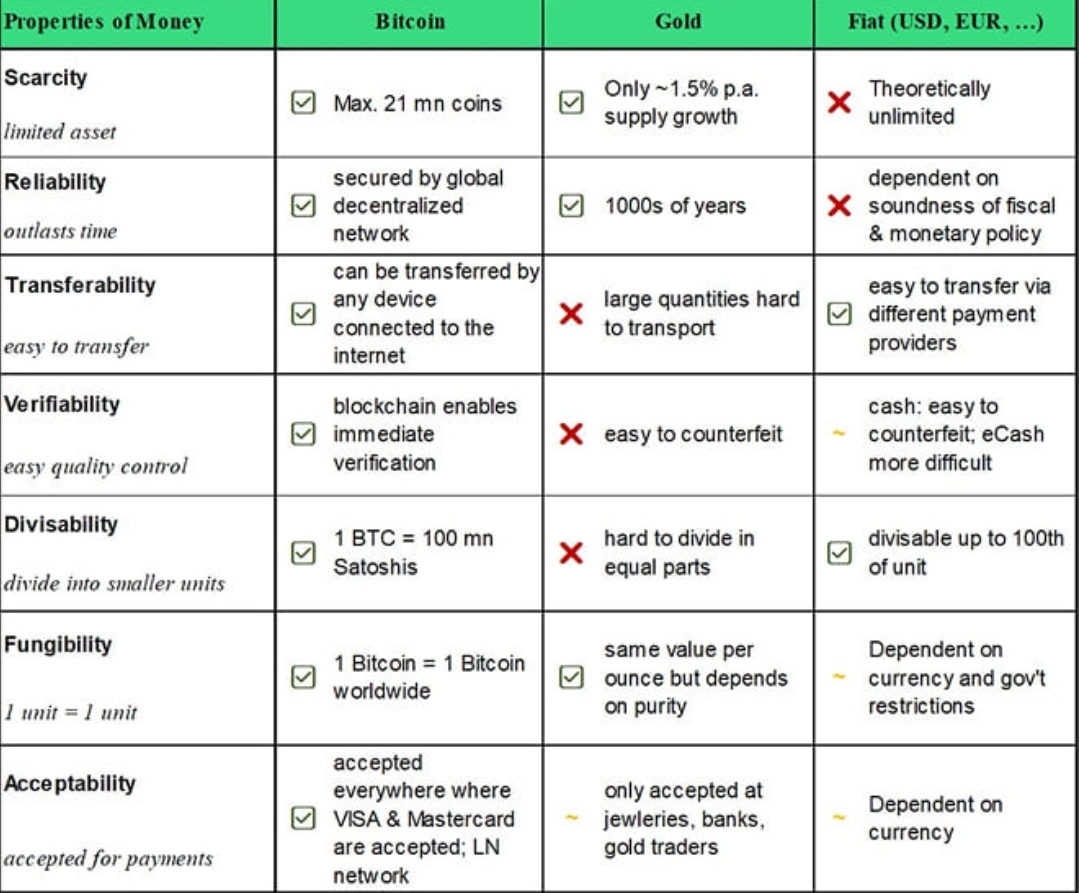
Bitcoin didn't become "digital gold" because it mimicked gold's price action. It earned that status by surviving the one test gold never faced: operating as a functional financial system.