
This morning I was sitting with my coffee, scrolling through messages from a friend who's paranoid about every app tracking her location and purchases. She asked why crypto still feels like an open book despite all the talk of freedom. It stuck with me because I do the same thing—hesitate before connecting a wallet, wondering who really sees what.
Later I opened Binance Square for the Midnight Network CreatorPad campaign task. One of the actions had me clicking into the campaign page, scrolling the leaderboard with participant counts ticking up, then typing out thoughts on data protection while staring at the "Join Now" button and the reward pool mention. That moment of publicly committing words about privacy on a platform that rewards visibility hit oddly. Here I was, supposed to discuss protecting sensitive data, while the task itself pushed everything into a very public, gamified space with leaderboards and token incentives visible to thousands.
It made me realize something uncomfortable: the crypto community's obsession with total transparency might actually undermine real data protection more than we admit. We celebrate on-chain everything as trustless proof, but when every interaction, opinion, or small action gets broadcast for clout or rewards, privacy stops being a right and becomes an afterthought. Midnight's approach—using zero-knowledge to let developers choose what stays shielded and what can be selectively shown—challenges that default openness we treat as sacred. It's not about hiding everything; it's about admitting that constant exposure isn't always virtue. Sometimes it's just carelessness dressed as decentralization.
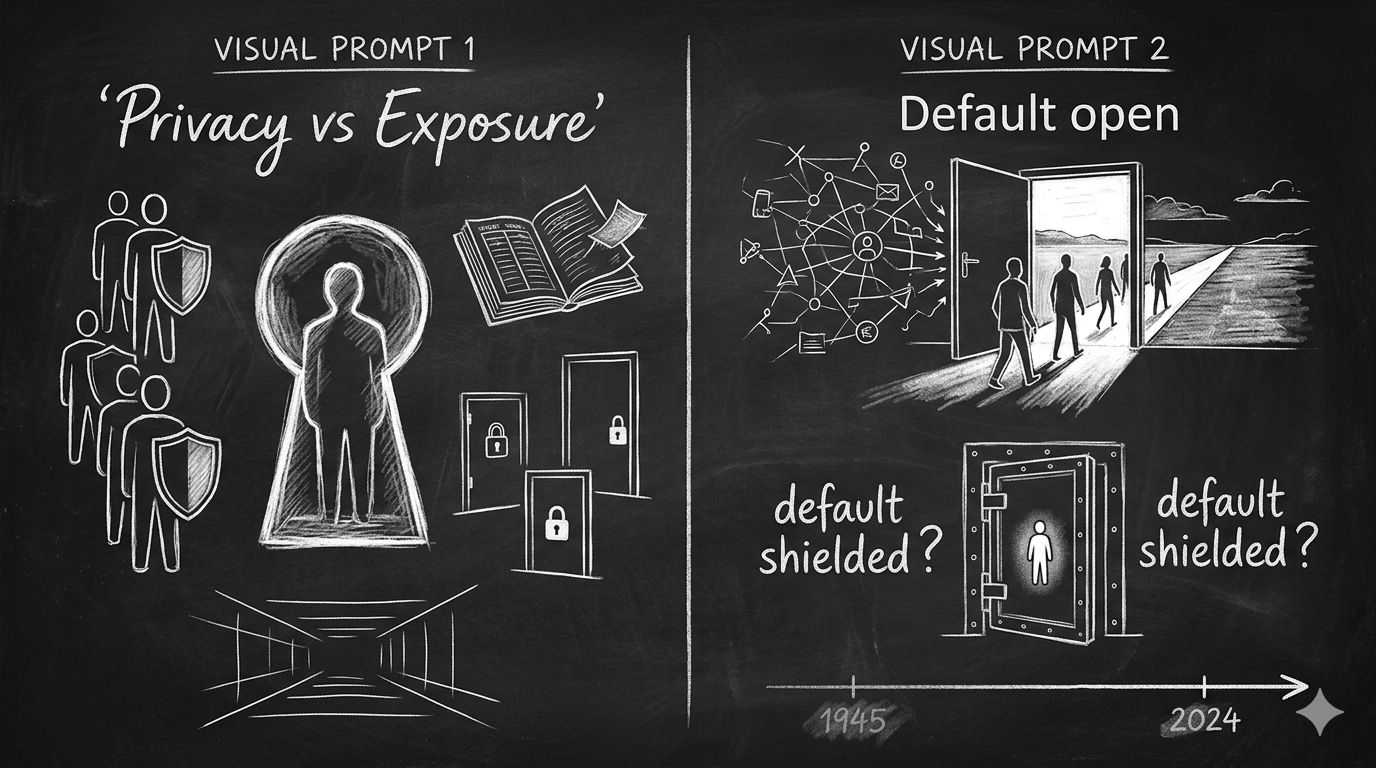
We keep saying blockchain fixes trust issues by making everything visible, yet that same visibility creates new vulnerabilities—metadata leaks, profiling, even simple doxxing risks from linked behaviors across platforms. Projects like Midnight, as a side example, show a different path: programmable controls where you prove compliance or validity without dumping raw personal or commercial details into the open ledger. It feels risky to question the "transparency is king" mantra because it underpins so much of what we built the space on. But if we're serious about data protection in the real world—medical records, business strategies, personal finances—clinging to full exposure as the only honest way forward starts looking naive.
What if the next real adoption wave doesn't come from more open chains, but from ones that quietly let people decide how much of themselves they reveal? Isn't that closer to the original crypto promise of control, not just louder broadcasts? #night $NIGHT @MidnightNetwork