In decentralized systems, sustainability isn’t a product of luck it’s engineered through incentives. For @boundless_network Network, the token does more than simply exist as a utility or medium of exchange; it acts as the network’s economic heartbeat, ensuring every participant’s motivation contributes to the system’s integrity and longevity.
The $ZKC tokenomics framework creates a self-sustaining loop, where network activity fuels security, and security fuels adoption — forming a continuous cycle of growth, decentralization, and value alignment across provers, developers, and holders.
1. Security Through Staking and Accountability
Boundless maintains network trust through a stake-based Sybil resistance model, ensuring only serious, accountable participants operate prover nodes.
Staking as Commitment: Every prover must stake ZKC tokens to participate, tying their financial interest directly to the network’s health. This ensures genuine, long-term involvement.
Slashing for Dishonesty: Malicious or faulty proofs lead to a portion of the staked tokens being slashed. This disincentive makes attacking the system financially irrational, anchoring security in real-world cost.
Quality Control: Staking filters out weak or low-quality nodes, ensuring that only technically capable and trustworthy provers secure the network.
2. Sustaining Growth Through Economic Incentives
The Boundless model rewards good behavior, not just punishes bad. Security thrives when honest participation is economically rewarding.
Proof Fee Market: Developers pay ZKC to generate cryptographic proofs. As more dApps integrate Boundless infrastructure, the demand for these proofs — and thus the demand for $ZKC — rises naturally.
Staking Rewards: Active and honest provers earn a share of fees or newly issued tokens, covering operational costs while generating yield. This incentivizes continuous uptime and loyalty
This dual structure creates a positive feedback loop where participation, performance, and profit all reinforce one another.
3. The Boundless Flywheel: Growth, Security, and Value
Each mechanism strengthens the next in a cycle that scales with adoption:
Developer Demand Rises → More proofs are generated
Prover Profitability Increases → New nodes join and stake more $ZKC
Network Becomes More Decentralized → Security and reliability increase
$ZKC Becomes More Useful and Scarce → Demand strengthens while circulating supply contracts.
Trust in the Network Grows → More developers adopt Boundless, restarting the cycle
This economic flywheel transforms growth into resilience — ensuring that the more the network is used, the stronger and more valuable it becomes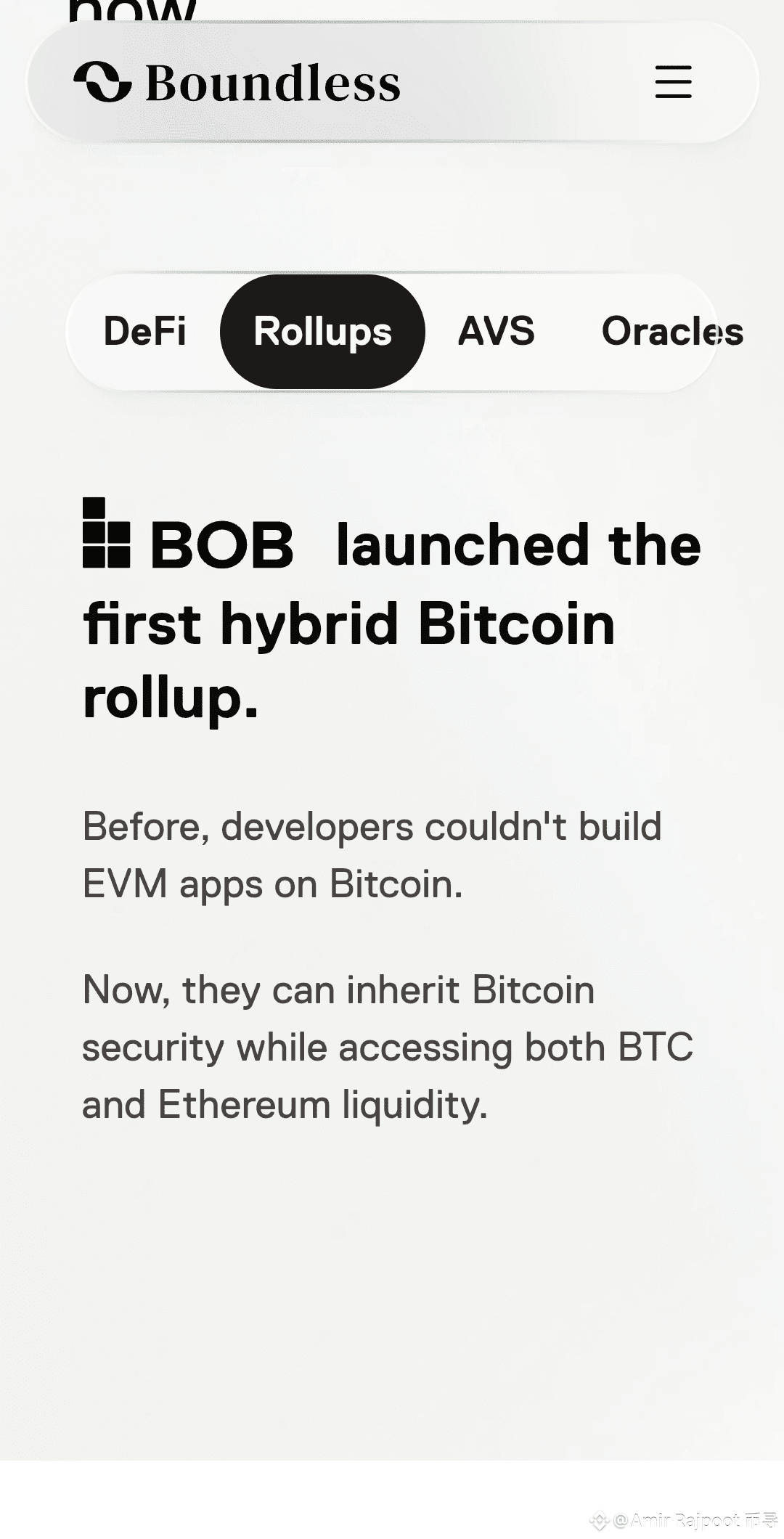
4. The Philosophy: Incentivizing Integrity
The genius of the ZKC model lies in its simplicity: honesty pays.
Provers, developers, and holders all benefit most when they act in alignment with the system’s health. Rather than relying on centralized enforcement, the network embeds good behavior into its financial DNA.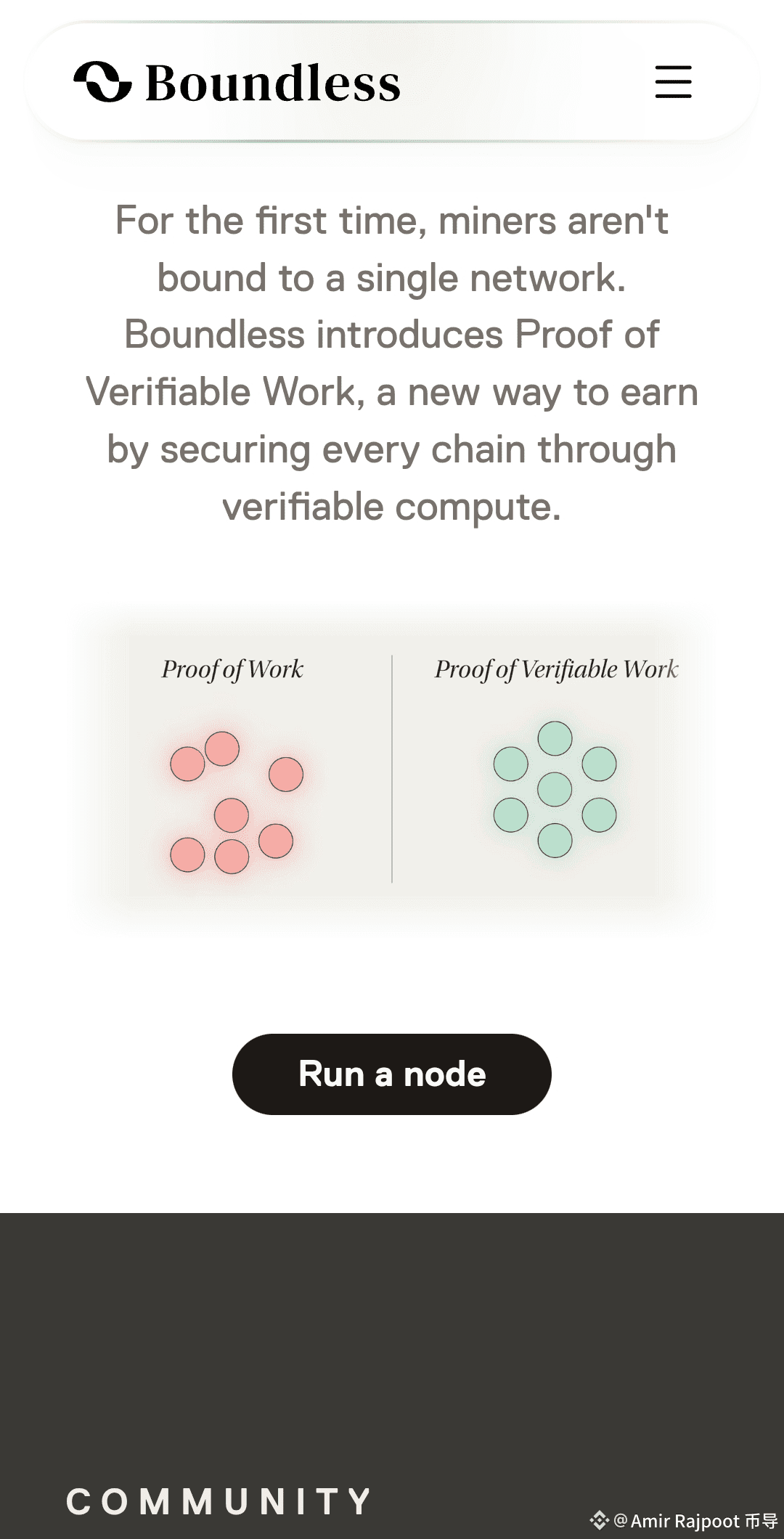
A Real-World Story
Liam, a small independent developer, once struggled to trust decentralized infrastructures due to frequent reliability issues. After integrating Boundless for his AI dApp, he noticed not only consistent proof verifications but also stable fees and predictable performance — all powered by the @boundless_network staking model. Inspired, he decided to stake a portion of his rewards, joining the network as a prover. What started as a technical integration became a long-term investment in a system he helped secure.
Boundless made him realize that in Web3, security and success aren’t separate goals — they’re part of the same economic cycle.