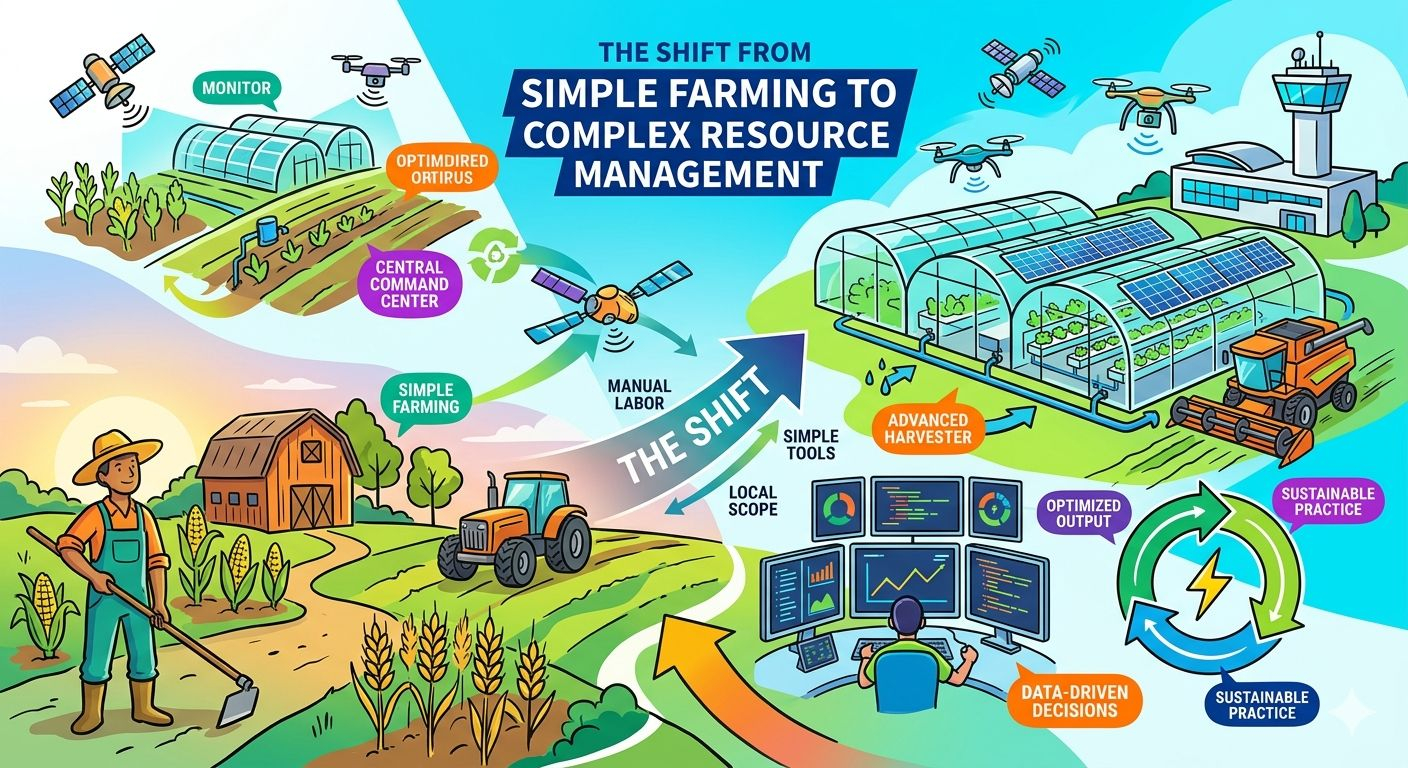
I remember the exact moment Pixels felt like magic. It was early 2024, or whenever the first wave of us stumbled into that pixelated farmstead on Ronin. I clicked once, planted a seed, and watched a tiny sprout pop up with the satisfying chime of a token reward. Click-to-earn wasn’t just a mechanic; it was the entire promise. No spreadsheets, no guild politics, no midnight market crashes—just you, the soil, and the quiet thrill of watching your wallet tick upward. We called it cozy. We called it simple. We were wrong.
Chapter 3 didn’t announce the end of that era with fanfare. It crept in through Yieldstone Presses and reactor schematics, through the slow realization that the taskboard orders now demanded not just crops but entire production pipelines. What began as a farming sim has hardened into something sharper: industrialization. The click is gone. In its place is the relentless logic of supply chains, where every harvest feeds the next craft, every craft feeds the next trade, and every trade reshapes the value of the land beneath your feet. I feel it every time I log in now—not as loss, but as the inevitable maturation of a world that refused to stay a toy.
The shift is visceral because it mirrors the real one we all grew up reading about in history books. Agrarian life gave way to factories not because someone flipped a switch, but because complexity became profitable. In Pixels, the same pressure is at work. Early seasons rewarded the patient planter who maxed out basic skills. Chapter 3 rewards the strategist who can trace a single resource from seed to finished good across three different industries and two rival unions. Wildgroves, Seedwrights, Reapers—pick your allegiance and suddenly your farm is no longer a personal plot. It is a node in a living economy. You plant not for the immediate token drip but to feed a Yieldstone Press that will, in turn, produce the exact grade of Verdant or Flint or Hollow your union needs to outpace the others. Miss a step in the chain and your reactor sits idle; overproduce and you flood the market, crashing the price of the very materials you spent weeks leveling to acquire.
This is where the metaverse stops pretending. Supply chains in Pixels are no longer abstracted behind NPC vendors. They are player-driven, visible, and mercilessly interconnected. A high-tier Mirage Egg from a level-40 coop doesn’t just appear—it requires animal care chains that loop back into exploration ponds for PearlySwirl, which in turn demands the Gloomshard you can only reliably mine on certain plots. Guild trades become negotiation tables. Speculation replaces grinding. I’ve watched friends who once proudly called themselves “pure farmers” pivot overnight into resource brokers, timing their deliveries to union events the way Wall Street traders time quarterly earnings. The game hasn’t removed fun; it has relocated it from the click to the calculation.
And then there are the new frontiers—the literal oil fields of this pixelated planet. Space and Arctic lands, once exotic curiosities for the curious explorer, have become the strategic chokepoints of the entire industrial machine. Walk onto a Space plot today and you’re not just farming Astracactus; you’re drilling Voidtonium, the rare mineral that powers the highest-grade reactors and the most coveted Yieldstone variants. Arctic territories, colder and harder to reach, yield their own exotic deposits—materials whispered about in Discord channels the way prospectors once spoke of black gold in the Klondike. These aren’t decorative biomes. They are extraction sites whose output ripples outward: a single rich Space vein can tilt union standings for an entire Bountyfall season. Landowners who control them have stopped thinking like homesteaders and started thinking like refineries. Every harvest is now leverage. Every trade route is now contested territory.
I won’t romanticize the old click-to-earn days. They were honest, but they were also fragile—sustained by infinite faucets and the goodwill of players who hadn’t yet discovered they could game the system. Industrialization forces honesty of a different kind. It demands that we treat the metaverse like an actual economy rather than a subsidized playground. Complexity weeds out the tourists while deepening the stakes for those who stay. The players who once clicked for tokens now manage inventories that span biomes and alliances. The ones who once logged in for relaxation now log in for leverage.
That is the quiet triumph of Chapter 3. It didn’t kill the farm; it industrialized it. The soil is still there, but it no longer exists in isolation. It feeds reactors, which feed presses, which feed unions, which feed the entire living market. Space and Arctic lands didn’t just add new pixels to the map—they became the wells from which the next era of value will be pumped. And the rest of us, whether we admit it or not, have traded our simple clicks for something far more demanding: the responsibility of keeping the whole chain alive.
I still plant seeds out of habit some mornings. The motion feels nostalgic, almost quaint. But I know now that the real harvest isn’t the sprout in front of me. It’s the intricate, interdependent web stretching out behind it—across guilds, across lands, across the invisible pipelines that connect every player in the Pixels metaverse. The click-to-earn dream is over. What replaces it is something heavier, riskier, and, if we’re honest with ourselves, far more alive. @Pixels