
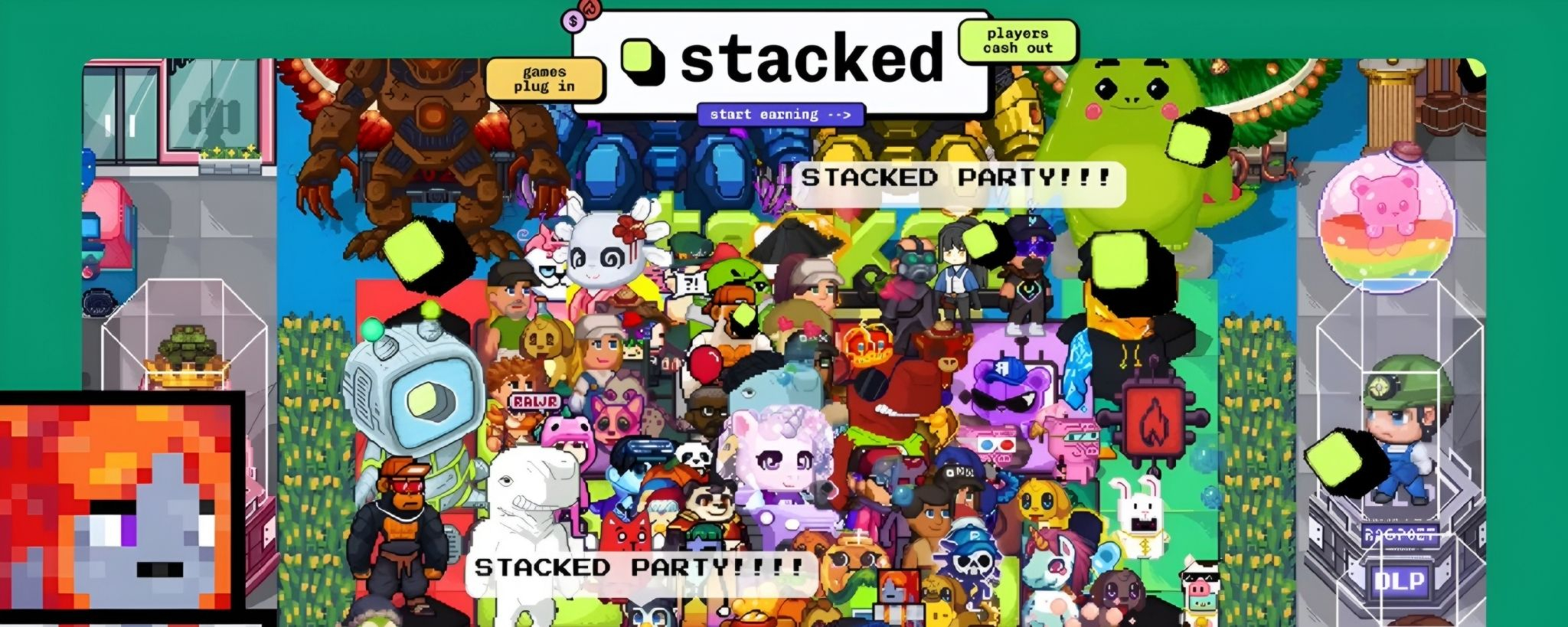

One of the things that has stayed with me recently is the idea that Stacked is no longer just Pixels’ internal rewards engine — it’s starting to open up to other game studios. After spending time observing how the system works inside Pixels, I find myself wondering what this expansion could actually mean for the wider gaming space.
Stacked didn’t appear overnight. It grew from years of real-world experimentation inside Pixels — processing hundreds of millions of rewards, watching player retention patterns, identifying where economies tended to break, and adjusting in real time. The AI game economist sitting on top of it wasn’t a theoretical feature; it was refined by analyzing actual cohort behavior, churn risks, and what kinds of incentives genuinely improved long-term engagement.
Now that external studios can integrate via SDK, the potential shift feels meaningful. Instead of every new game having to build its own reward and LiveOps infrastructure from scratch (and often repeating the same mistakes), they can plug into a battle-tested system. A studio could send gameplay events into Stacked, get plain-language insights about where players are dropping off between day 3 and day 7, and then run targeted experiments — all without needing a large data science team.
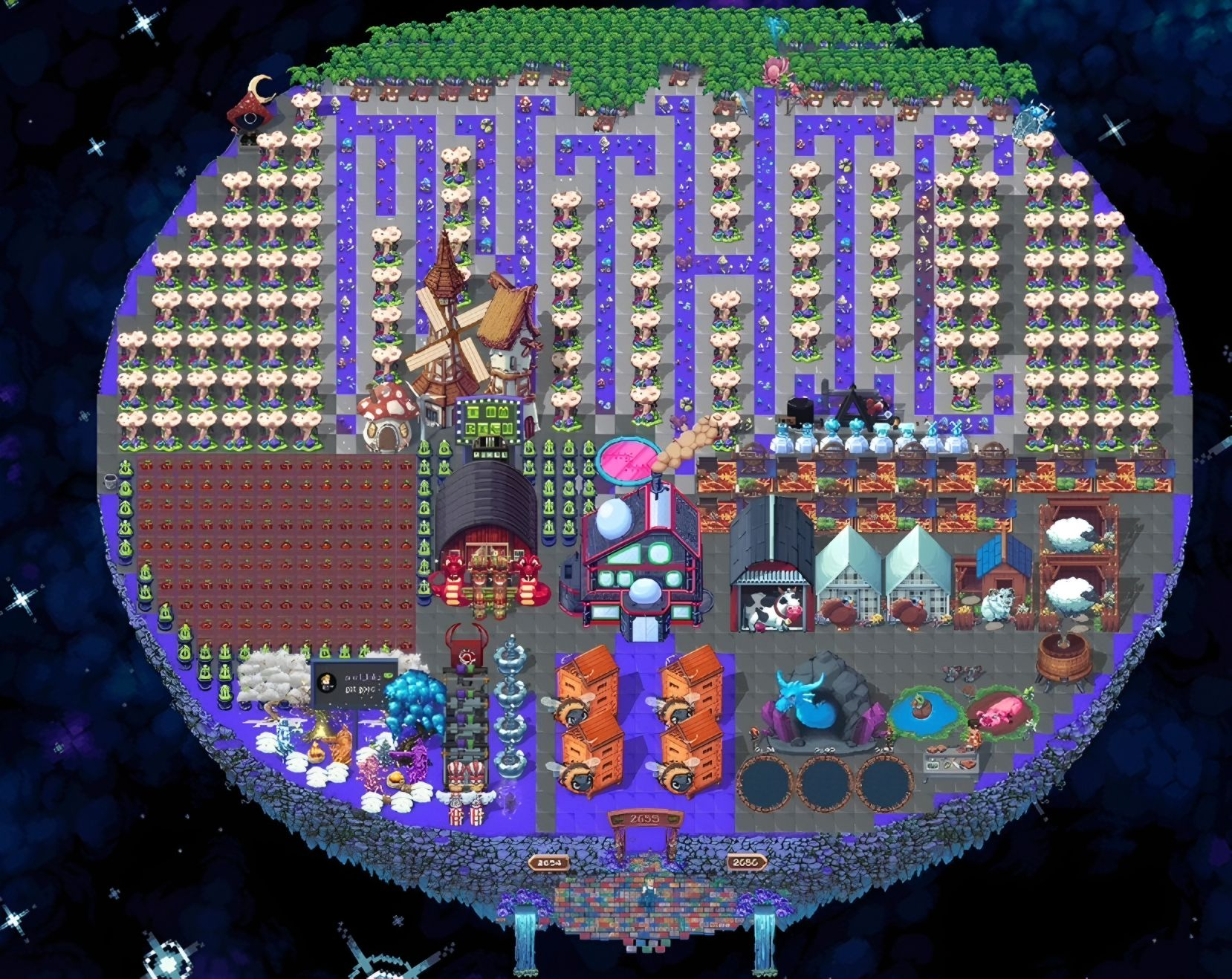
From my perspective, this is where the real value might emerge. Different games have different loops and player expectations, but many face similar underlying challenges: unsustainable reward models, difficulty distinguishing real engagement from farming, and the constant struggle to balance fun with retention. Stacked’s AI layer, trained on real Pixels data, could help studios make more informed decisions faster. It’s not about copying Pixels’ farming style — it’s about applying proven economic thinking to whatever gameplay a studio is building.

I noticed the team is approaching this expansion thoughtfully. It started with titles they already control and understand — Pixel Dungeons, early access Chubkins, and others in the ecosystem — so they can tighten the mechanics before opening wider. There’s also mention of moving toward USDC for player rewards in some cases while positioning $PIXEL more as a staking and governance token across the growing network. This feels like an attempt to keep the system sustainable as it scales.
Of course, there are open questions. Will the AI insights translate smoothly to games with very different mechanics — for example, a fast-paced action title versus a relaxed simulation? How will studios adapt the reward timing without losing their own creative identity? And how will the broader player base react when rewards start flowing across multiple games instead of just one?
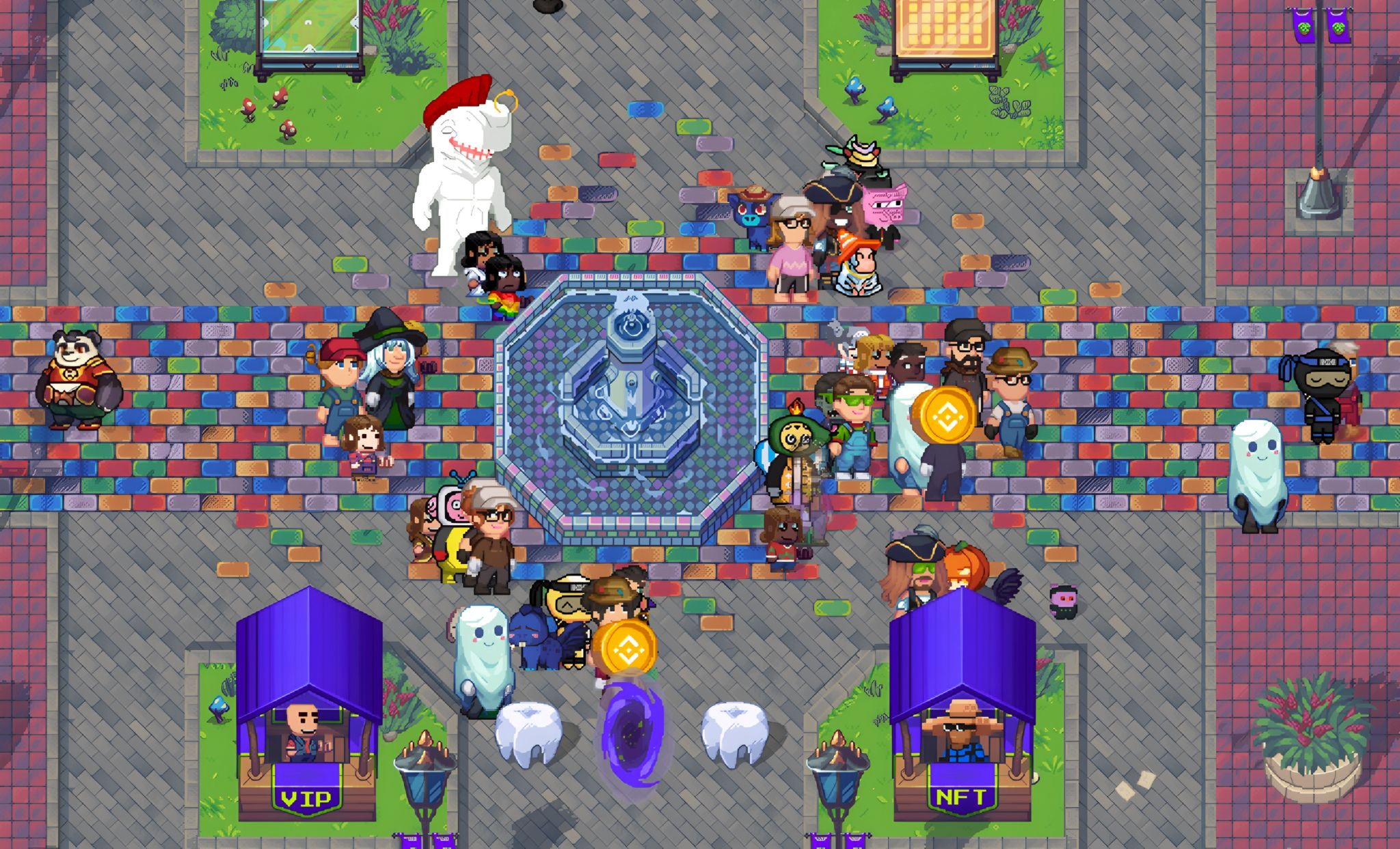
Still, the foundation feels solid because it was built in production, not in theory. Pixels has already shown that this infrastructure can contribute to real revenue and healthier retention when applied carefully. If even a handful of external studios integrate successfully and start sharing learnings back into the ecosystem, the whole network could become stronger — more games, more players, more data improving the AI, and potentially more utility flowing back to $PIXEL as the connective layer.
From my view, this isn’t about turning every game into a copy of Pixels. It’s about offering studios a smarter starting point for the reward and retention side of their business — the part that has historically been the hardest to get right in Web3 gaming. If Stacked can deliver measurable improvements in player lifetime value while keeping the experience fun and non-intrusive, it could quietly influence how future games approach LiveOps and economies.
It’s still early. The first wave is focused and controlled, which I appreciate. Over the coming months, I’ll be watching which types of studios join, what kind of results they see, and whether the ecosystem starts feeling more interconnected than isolated titles.
For now, the direction feels promising — not because of grand promises, but because the system has already proven itself where it matters most: inside a live game with real players.