
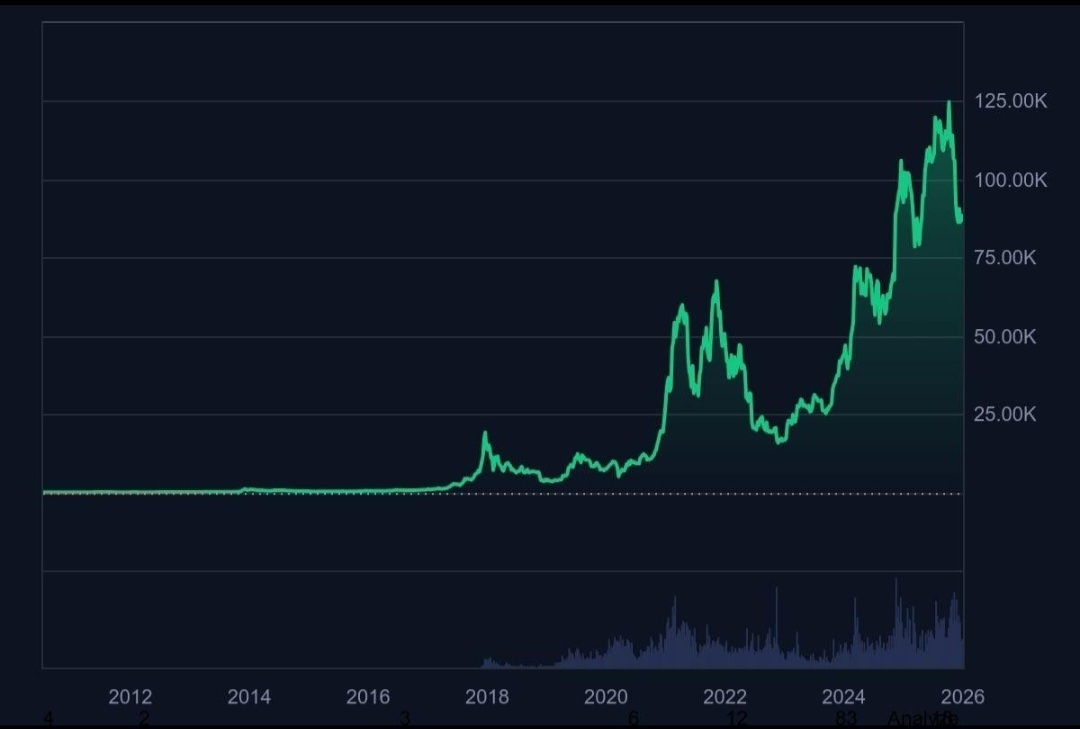
The cryptocurrency market in 2026 is moving through a period of cautious optimism. After experiencing sharp fluctuations in previous months, the market is now showing signs of stabilization, with major assets gradually regaining strength. This phase reflects a shift from speculative hype toward more structured and sustainable growth.
Bitcoin, the leading digital asset, continues to act as the backbone of the crypto market. Its price movements often set the tone for the broader ecosystem. Recently, Bitcoin has demonstrated resilience, maintaining relatively strong support levels and attracting renewed interest from both retail and institutional investors. This stability is helping rebuild confidence across the market.
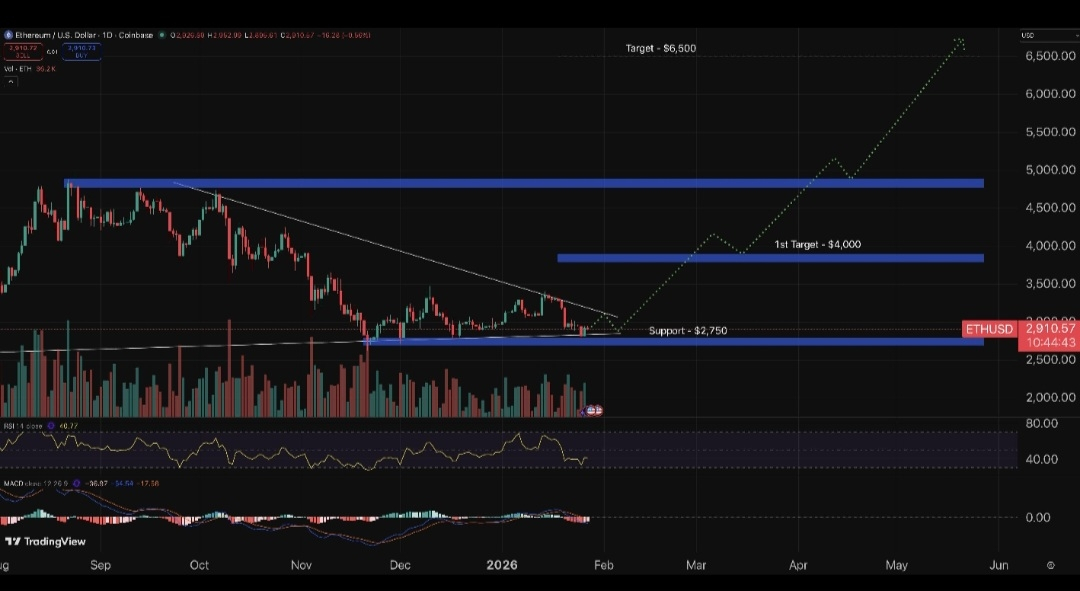
Ethereum is also holding a strong position, supported by its role in decentralized applications, smart contracts, and decentralized finance (DeFi). The network continues to evolve, with improvements in scalability and efficiency contributing to its long-term appeal. As more projects build on Ethereum, its importance within the blockchain ecosystem continues to expand.
A key trend shaping the current market is the growing involvement of institutions. Large financial entities are no longer observing from the sidelines; they are actively participating through various investment channels. This has introduced greater liquidity and maturity into the market, reducing extreme volatility compared to earlier years. At the same time, it has strengthened the perception of cryptocurrencies as a legitimate asset class.
Another notable development is the shift toward utility-driven projects. Investors are becoming more selective, focusing on platforms that offer real-world use cases rather than purely speculative tokens. Areas such as gaming, tokenization, and decentralized finance are gaining traction, indicating that the market is evolving beyond simple trading.
Despite these positive indicators, uncertainty still exists. Global economic conditions, regulatory developments, and geopolitical factors continue to influence market sentiment. Sudden price swings remain possible, and investors are increasingly aware of the risks involved. As a result, many are adopting a more cautious and long-term approach.
In conclusion, the current crypto market reflects a balance between recovery and caution. While the foundation is strengthening through institutional support and real-world applications, volatility and external pressures remain part of the landscape. This period may serve as a transition phase, where the market moves toward greater stability, transparency, and long-term sustainability.