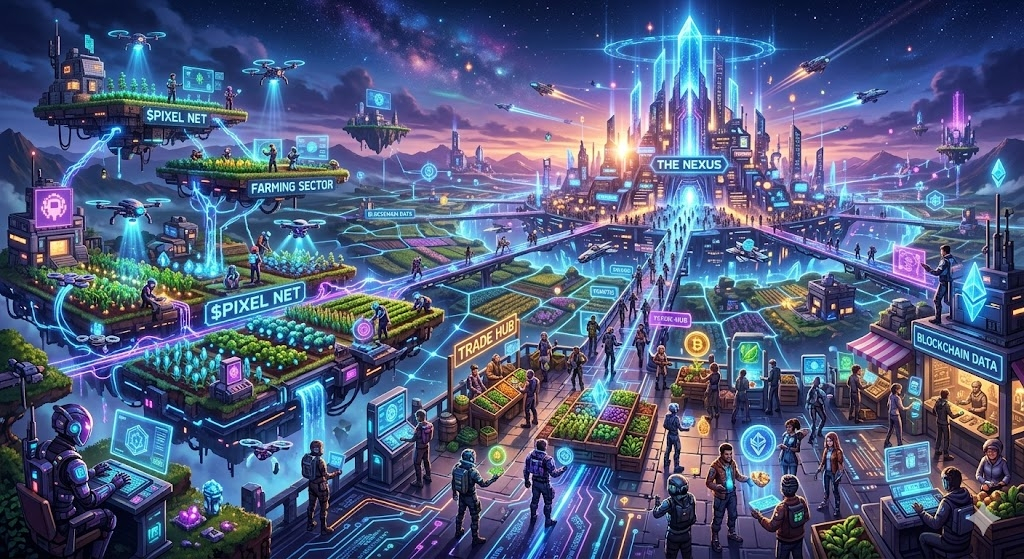
As a long-term observer of the evolving Web3 gaming ecosystem, I want to take a moment to highlight and genuinely appreciate what Pixels ($PIXEL) has been building. In a market often dominated by short-term hype cycles, Pixels stands out as a project focused on real utility, sustainable engagement, and a deeply connected gaming economy that continues to expand with purpose.
PIXEL is not just another token in the GameFi space—it represents a growing digital world where players are not just participants but true stakeholders. What makes Pixels especially compelling is how it successfully merges nostalgia-driven gaming with modern blockchain mechanics, creating an ecosystem where creativity, farming, exploration, and social interaction all carry real economic meaning.
From my perspective, one of the most impressive aspects of Pixels is its consistent ecosystem development. The team has been steadily improving gameplay mechanics, expanding in-game utility, and refining token integration in ways that feel natural rather than forced. This is important because many GameFi projects struggle to balance fun with financial incentives. Pixels, however, continues to demonstrate that both can coexist without compromising user experience.
Recently, the project has shown strong momentum in terms of ecosystem activity and user engagement. The focus on enhancing in-game progression systems, improving asset utility, and expanding player-driven economies reflects a long-term vision rather than temporary speculation. The increasing attention from both retail users and Web3 gaming communities signals that Pixels is successfully positioning itself as a leading contender in blockchain-based gaming.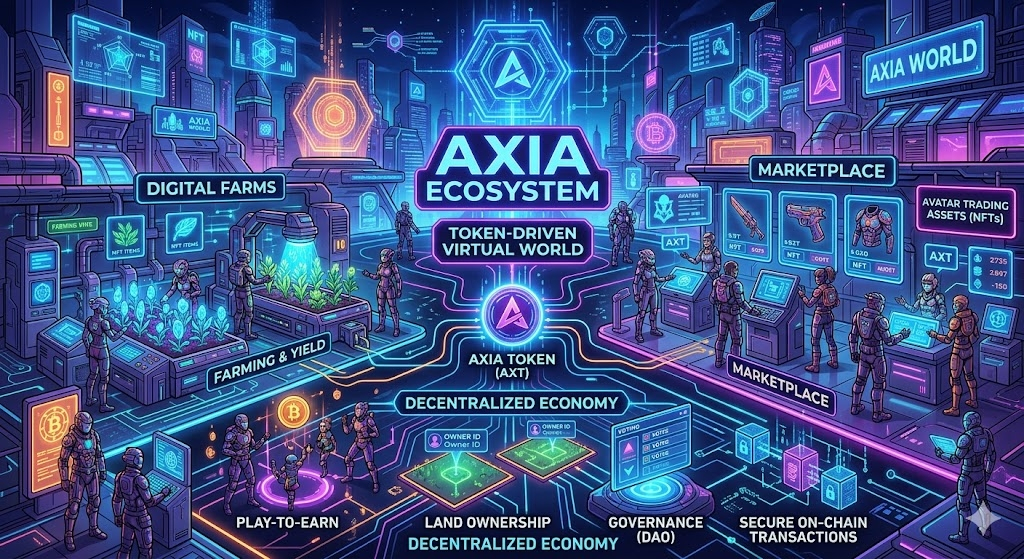
Another key strength lies in its community-driven structure. Pixels has cultivated a highly active and loyal player base that contributes not only to gameplay but also to governance discussions and ecosystem direction. This level of participation is critical for any decentralized gaming world, and it’s clear that the project values feedback and iterative improvement. The result is a more organic and evolving game environment that adapts with its users rather than dictating to them.
From a token utility perspective, $PIXEL continues to expand its relevance within the ecosystem. Whether it is used for in-game upgrades, crafting systems, transactions, or participation in broader ecosystem features, the token is becoming more deeply embedded into the core gameplay loop. This strengthens long-term sustainability and helps ensure that demand is driven by actual usage rather than speculation alone.
What I personally find most impressive is the direction Pixels is heading in: a fully interconnected Web3 gaming universe where digital ownership actually matters. In-game assets are not just visual upgrades—they carry value, identity, and purpose within a functioning digital economy. This is exactly the kind of innovation that blockchain gaming promised in its early days, and Pixels is actively delivering on that vision.
In addition, the project’s continued expansion efforts, collaborations within the Web3 space, and improvements in user experience show that it is not slowing down. Instead, it is scaling carefully while maintaining quality and engagement, which is essential in a sector where many projects fail due to overexpansion or lack of direction.
In conclusion, Pixels represents a strong example of what the future of blockchain gaming can look like when execution aligns with vision. It is not just about earning or playing—it is about building a living, breathing digital economy where players truly matter.
As I continue to observe its growth, I remain optimistic about its long-term potential in the GameFi sector. Pixels is not just participating in the evolution of Web3 gaming—it is actively helping shape it.