
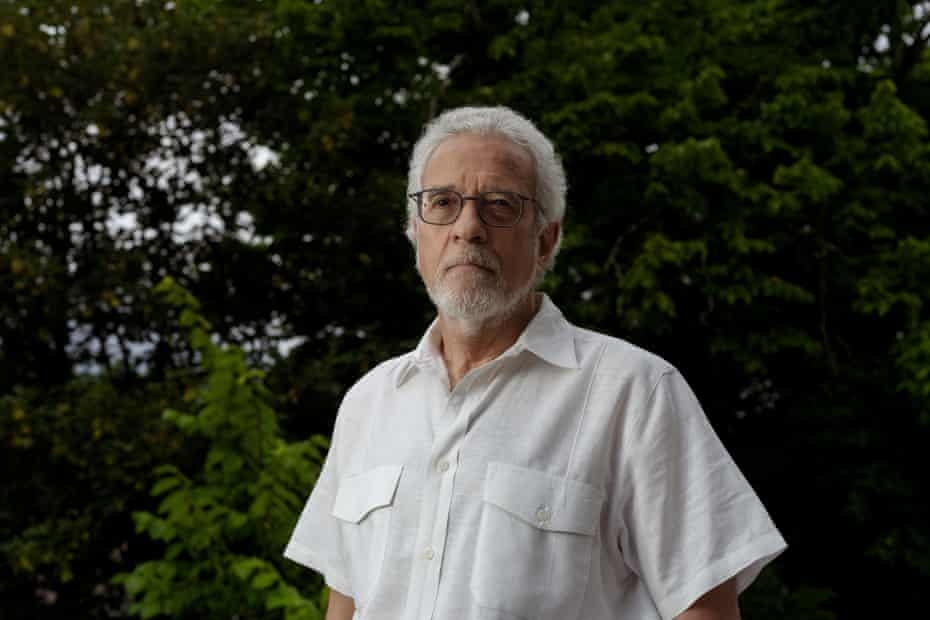
There are critics of Israel's actions in Gaza, and then there is Omer Bartov.
He is not a detached observer with a political agenda. He is an Israeli-born Holocaust historian, a former IDF soldier who served in Gaza and the West Bank, a Brown University professor who has spent decades studying genocide, Nazi indoctrination, and historical memory. He has published ten books on the Holocaust. He is, by any serious measure, one of the world's foremost authorities on what genocide looks like — and what it doesn't.
And he is calling what is happening in Gaza a genocide.
His new book, Israel: What Went Wrong?, is not a polemic. It is a careful, painful, historically grounded attempt to trace how a nation founded on promises of equality and dignity for all its citizens — regardless of religion, race, or sex — arrived at this moment. Bartov's argument is not that Zionism was always destined for this outcome. It is that a critical strand of it — the settler-colonial, ethno-nationalist strand — gradually overtook the other, and that specific political choices made at Israel's founding set the conditions for what followed.
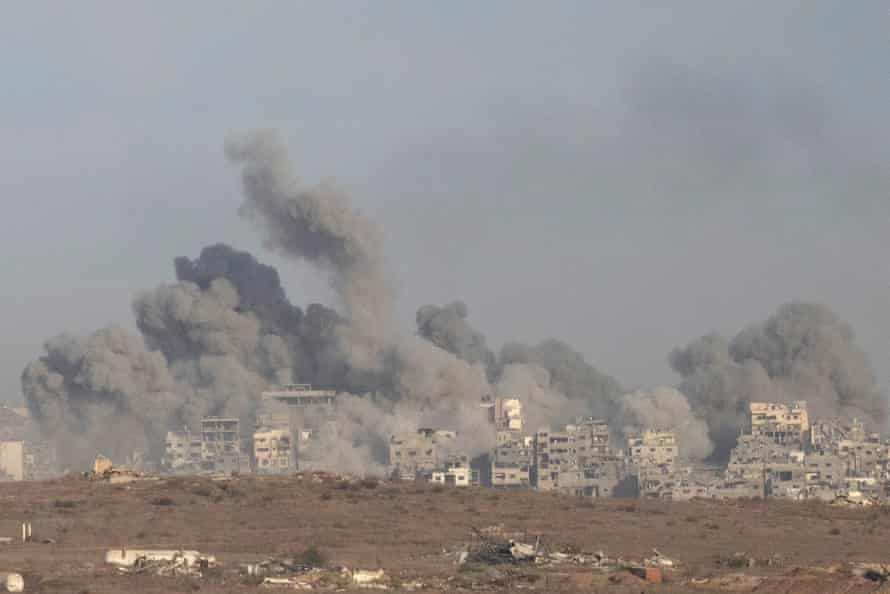
The failure to adopt a constitution. The refusal to define borders. The decision not to meaningfully reconcile with Palestinian citizens or those displaced in 1948. These weren't inevitable features of the state — they were choices. And choices, Bartov argues, have consequences that compound across generations.
What makes Bartov's voice particularly significant right now is the personal cost it has carried. He has lost close friendships. His book is being published in nine or ten languages — but not Hebrew. Even left-leaning Israeli publishers declined. The Israeli left, he writes, feels he is critiquing them from a comfortable distance. Perhaps. But distance, as he himself notes, can also be clarity.
There is something deeply important in his observation that the charge of antisemitism — historically one of the most serious accusations that could be levelled — has been so aggressively weaponized as a tool to silence legitimate criticism that it has begun to lose its moral force. That is not a comfortable thing to say. It is also not something that can be dismissed.
Bartov still believes in a path forward. He points to the confederation model championed by A Land for All — two sovereign states, open borders, shared territory, separate democratic representation. It sounds impossibly idealistic against the current backdrop. But he argues that Israel's military posture depends entirely on American patronage, and that support is eroding across both parties in ways that would have seemed unthinkable a decade ago.

Whether or not one agrees with every dimension of Bartov's analysis, serious engagement with his argument is not optional for anyone who claims to care about peace, justice, or historical truth in the Middle East.
The most dangerous thing we can do right now is look away.
#Gaza #IsraelPalestine #HumanRights #GenocideScholars #MiddleEastCrisis