
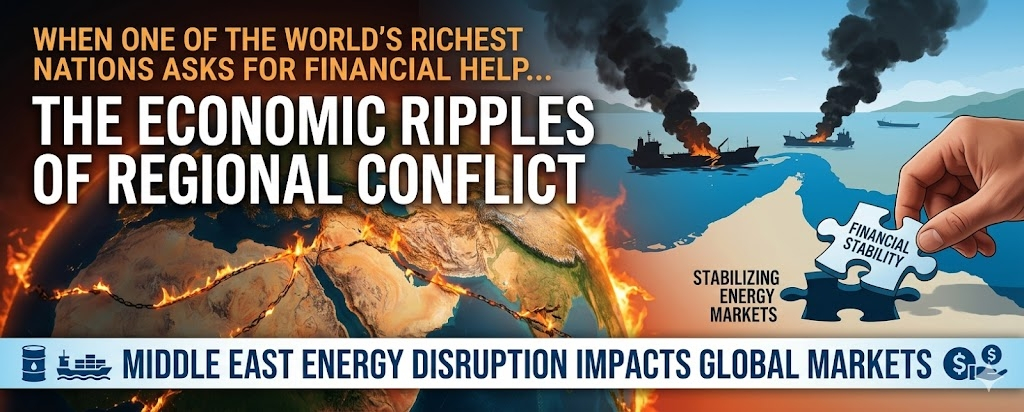
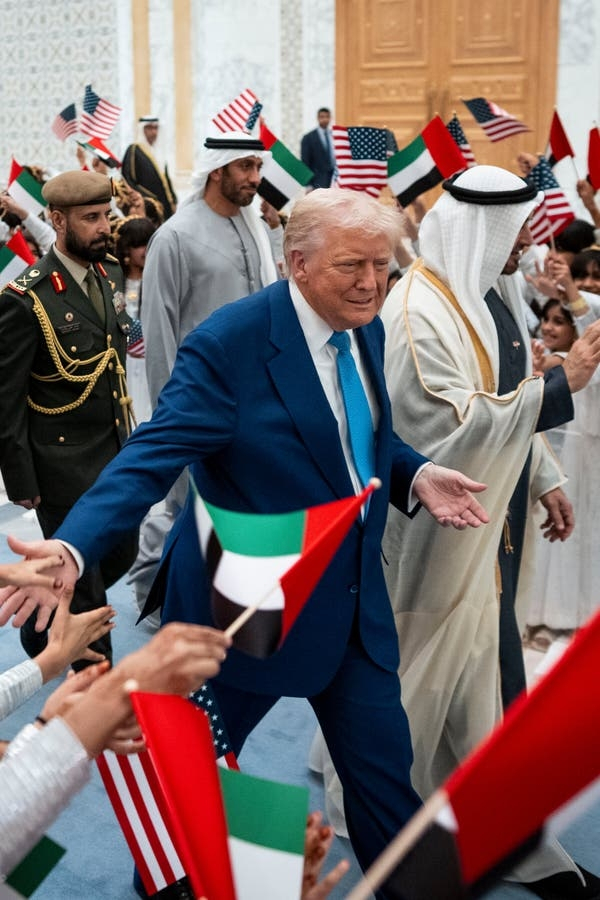
The United Arab Emirates — a country sitting atop vast sovereign wealth, one of the world's busiest trading hubs, and decades of carefully accumulated financial reserves — has reportedly approached the United States for economic support. And President Trump himself admitted he was surprised, saying simply: "They are really rich."
That surprise is precisely the point.
The fact that the UAE is even having this conversation with Washington is one of the clearest signals yet of just how deeply the US-Iran war is reshaping the economic landscape of the entire Middle East. Iranian strikes on regional infrastructure have disrupted oil and gas flows through the Strait of Hormuz — the narrow waterway through which a significant portion of the world's crude oil passes every single day. When that artery is compromised, even the wealthiest Gulf economies feel the pressure almost immediately.
Emirati officials met with Treasury Secretary Scott Bessent last week on the sidelines of the IMF and World Bank spring meetings. The Treasury's own readout emphasized the need to "deter future attacks and ensure that energy markets are not further impacted by Iran." That framing matters — this isn't just about one ally seeking a lifeline. It's about the United States signalling its commitment to stabilizing energy markets at a moment when the whole world is watching.
The mechanism being discussed — the Exchange Stabilization Fund — is worth understanding. It's the same tool the Treasury used last year to deploy a $20 billion currency swap for Argentina. With a current net balance of around $44 billion, Secretary Bessent has meaningful discretion over how and when it gets deployed.
Some economists are already questioning whether this is a genuine financial necessity or a political signal — a way for the UAE to publicly demonstrate the strength of its alliance with Washington during an extraordinarily turbulent period. The Emirati currency remains pegged to the dollar, and central bank reserves are described as still adequate despite the disruption. That context matters.
But here's the bigger picture that shouldn't get lost in the technical details: when a Gulf state this wealthy is absorbing enough economic damage to prompt these conversations, it tells us something important about the true cost of this conflict — costs that extend far beyond the battlefield and deep into the global energy economy.
Oil prices, supply chain stability, and emerging market currencies are all connected to what happens next in the Strait of Hormuz. This story is not just about the UAE. It's about every economy with exposure to Middle East energy flows — which, in one way or another, is most of them.
#MiddleEast #GlobalEconomy #EnergyMarkets #USForeignPolicy #GeopoliticalRisk


