

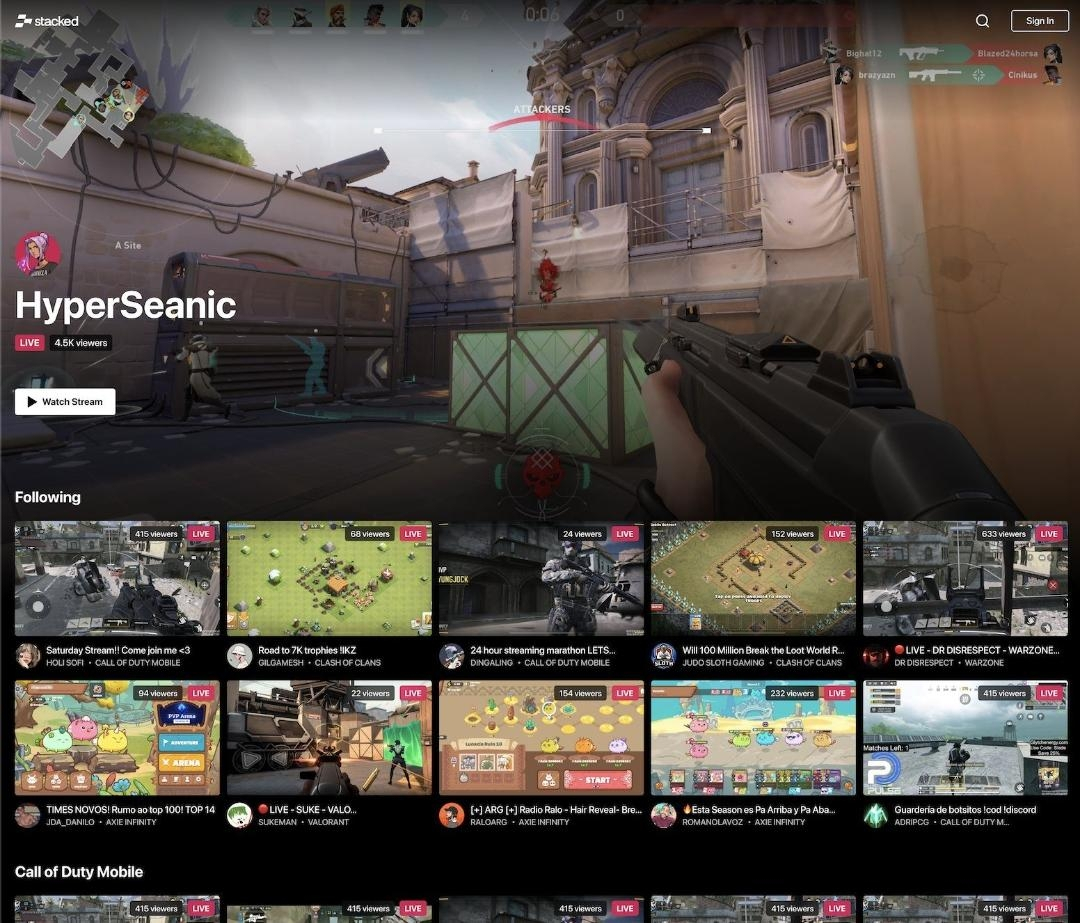
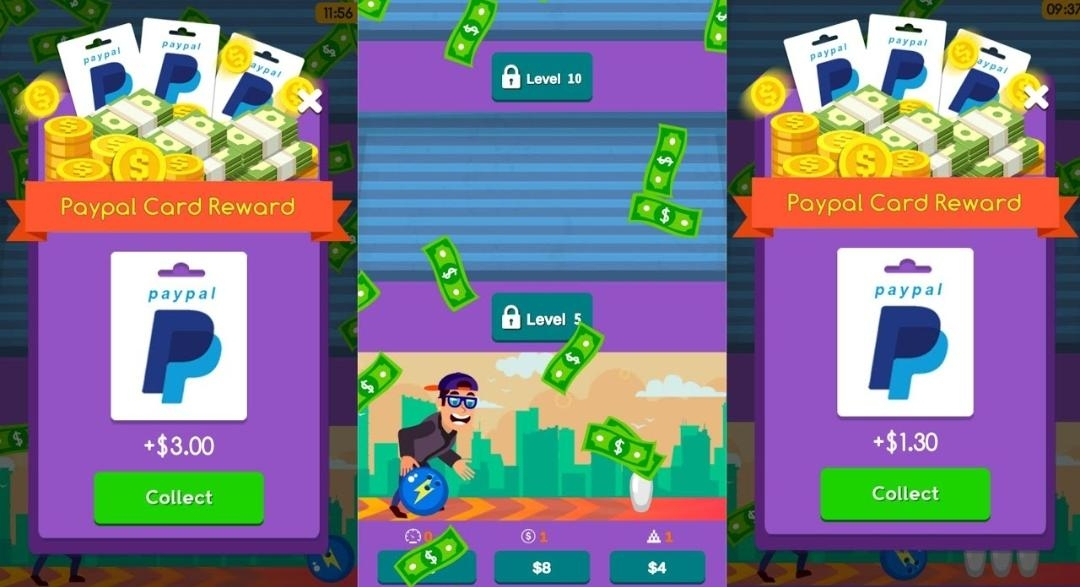
@Pixels :Most gaming reward systems are designed to feel generous while giving you almost nothing. You earn points by completing tasks, those points sit in an app, and when you finally try to use them you discover they convert into a discount code worth less than a dollar or a badge nobody can see. The reward is a feeling, not a fact. It keeps you engaged just long enough to make another purchase, and then the cycle repeats. This model has been running in gaming for over a decade, and almost everyone who has ever used it has eventually realized they were being strung along. Stacked, the rewards platform built by the team behind Pixels, was designed as a direct rejection of that model. The people who built it spent four years watching what happens when reward systems are built wrong inside a live blockchain game with millions of players and Stacked is what they built after learning every way a reward system can fail. The goal from the beginning was simple: when a player does something meaningful inside a game, they get something real back. Not points. Not badges. Cash, crypto, or gift cards they can actually use.

The problem with old play-to-earn games was not that they paid players. It was that they paid the wrong players for the wrong reasons. A game that gives tokens to anyone who clicks a button for six hours has not rewarded skill or contribution — it has rewarded idle time. That system attracts people who are not really playing. They are farming. Bots can do it better and faster than humans, which is why every major play-to-earn economy in the early years was eventually overrun by automated accounts draining the token supply before real players could earn anything meaningful. Stacked is built around a completely different idea. The platform rewards behaviors that actually matter in-game progression, daily consistency, completing real challenges, referring friends, creating content, and returning to a game after being away. These are human behaviors. A bot can click, but it cannot build a genuine streak, progress through a skill tree over weeks, or share a game with someone who then plays for months. Stacked watches for the actions that only real, engaged players can produce and pays those players accordingly.

The cash-out options are what make Stacked different in a practical, day-to-day sense. Earlier play-to-earn games locked everything inside a single token. If you wanted your earnings, you had to find an exchange, set up a wallet, navigate fees, and hope the token had not dropped 40 percent by the time you converted. Most regular players never made it through that process. Stacked removes those barriers. Players earn Stacked Points inside the app, and those points can be converted to gift cards, cashed out via PayPal for US dollars, or converted into crypto including USDC for people who prefer that route. The PIXEL token remains part of the ecosystem for players who want to stake and participate in governance, but for someone who just wants to play a game and get something real out of it, the path from earning to spending is now direct and fast. This is what Luke Barwikowski, the CEO of Pixels, described when he said the goal is for normal users to earn, spend, and own their assets without needing to interface with the crypto parts day-to-day.
Under the surface, Stacked is powered by four years of data collected inside the Pixels ecosystem. The team built data models to understand how players behave how they spend, how they interact with economies, whether they are likely to be bots or sybil accounts, which behaviors predict long-term engagement, and which rewards convert into more in-game activity rather than immediate selling. That behavioral database is what Stacked uses to target rewards precisely. Instead of a single quest board that gives the same tasks to every player regardless of who they are, Stacked shows each player missions that match their history, skill level, and playing habits. A high-level player who has been in the ecosystem for two years sees different rewards than a new player on their first week. This personalization is not just about making the experience feel nicer it is about making sure rewards go to people who will actually use them to go deeper into the game, not cash out immediately and disappear.
The results from early testing inside Pixels and its partner games showed what precise reward targeting can do when it is built correctly. In one reported campaign, players who received Stacked-targeted rewards showed a 129 percent increase in active days meaning they came back and played significantly more than the group that did not receive targeted rewards. The Return on Reward Spend ratio for those campaigns reached 131 percent, which means for every dollar the platform spent on rewards, it received more than a dollar back in player activity and spending. That is the opposite of what old play-to-earn models produced. In those models, every dollar paid out in rewards generated less than a dollar back, creating a permanent drain that eventually collapsed the economy. Stacked flipped that equation by paying for the right behavior at the right moment rather than paying for presence.
The broader vision for Stacked goes beyond just the Pixels ecosystem. The platform is designed as a rewards infrastructure that any game studio can integrate Web2 or Web3. A studio adds one line of code to start sending gameplay events into the system. Stacked then combines that data with its existing player profiles, runs prediction and segmentation models, and tells the studio which players are at risk of leaving, which ones are worth investing in, and what kind of reward would most likely keep them engaged. This is what game studios previously needed an entire data science team to build. Stacked makes it available to any developer, regardless of size. The point is not to make Pixels bigger. The point is to solve the problem that has destroyed every play-to-earn economy that came before and then share that solution with every studio willing to build games that are actually worth playing.
