
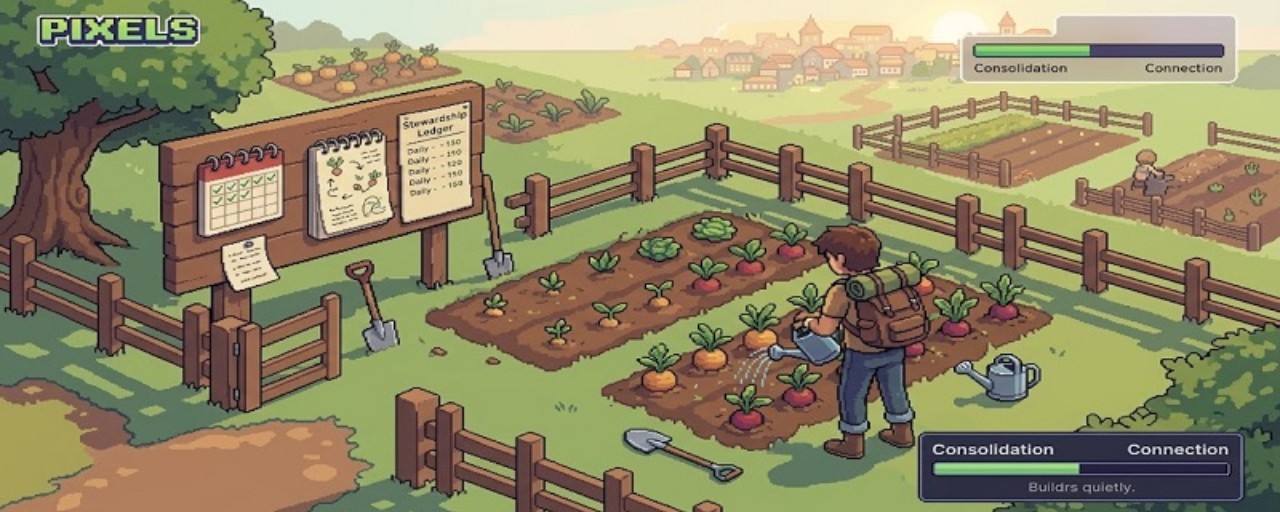
I noticed something interesting while watching how people interact with @Pixels lately. It’s not always the most skilled players who move ahead faster. Sometimes it’s just the ones who show up every day, doing small actions without overthinking it.
At first, it feels almost too simple to matter.
You log in, you check your land, you farm a bit, maybe adjust a few things, and then you leave. Nothing dramatic happens in a single session. But over time, something starts to build in the background. Not just resources, but a kind of rhythm that quietly shapes progress.
In a way, $PIXEL doesn’t really reward one big moment. It feels more like it responds to consistency. And that changes how you think about playing.
I might be wrong, but Web3 games like this don’t always feel like traditional games where you “grind hard for results.” Instead, they lean more toward steady participation. Almost like tending something rather than conquering it.
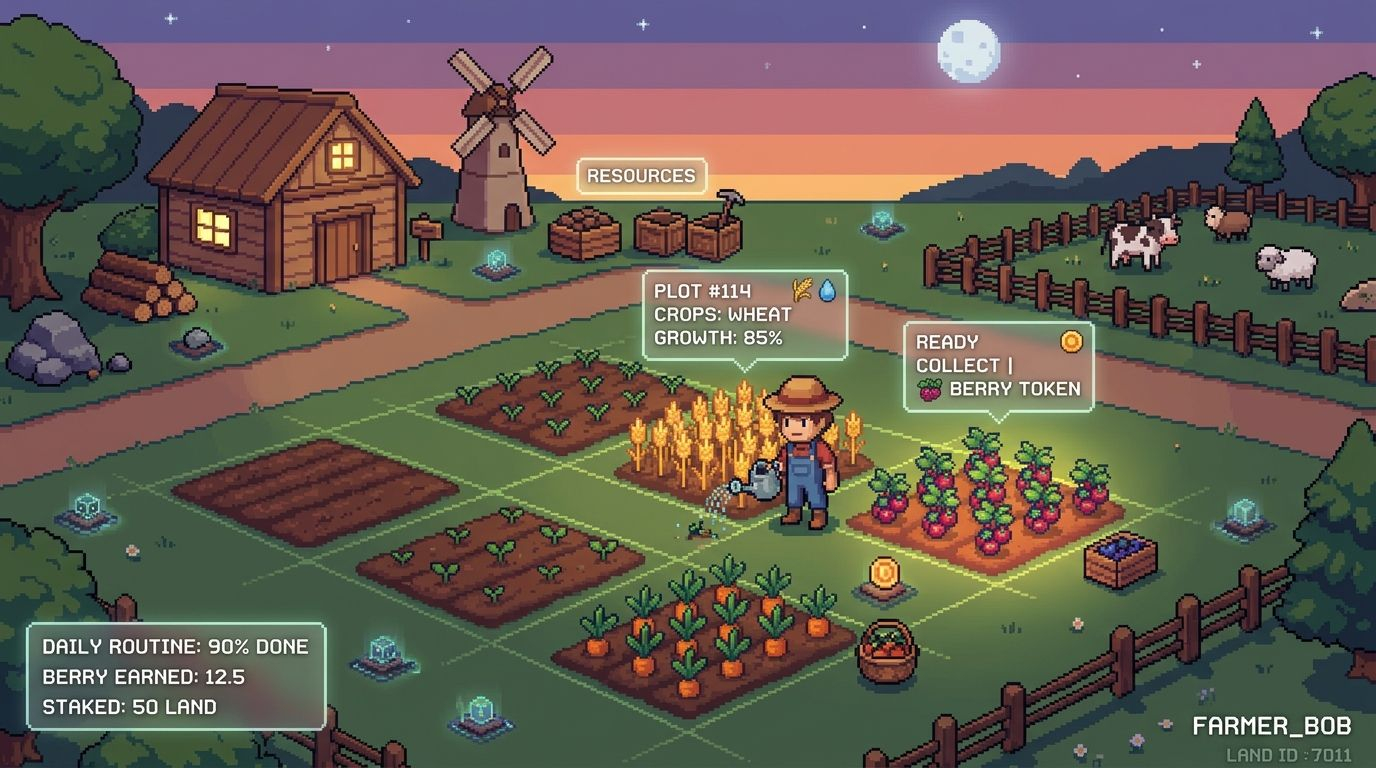
There’s a difference between intense sessions and routine presence.
Intense play can give bursts of progress, sure. But routine keeps you connected to the system. You don’t forget what you own, what you’re building, or where your focus is going. And in something like Pixels, where farming and resource cycles matter, that awareness becomes part of the game itself.
Sometimes I think players underestimate how much they miss just by skipping a day or two. Not in a punishment sense, but in momentum. The game keeps moving even when you don’t.
And then you come back trying to figure out where things stand again.
That restart feeling is subtle, but it adds up.
What I find more interesting is how routine starts shaping decisions. You stop making random moves. You start optimizing naturally. Not because the game forces it, but because repetition teaches you what actually matters and what doesn’t.
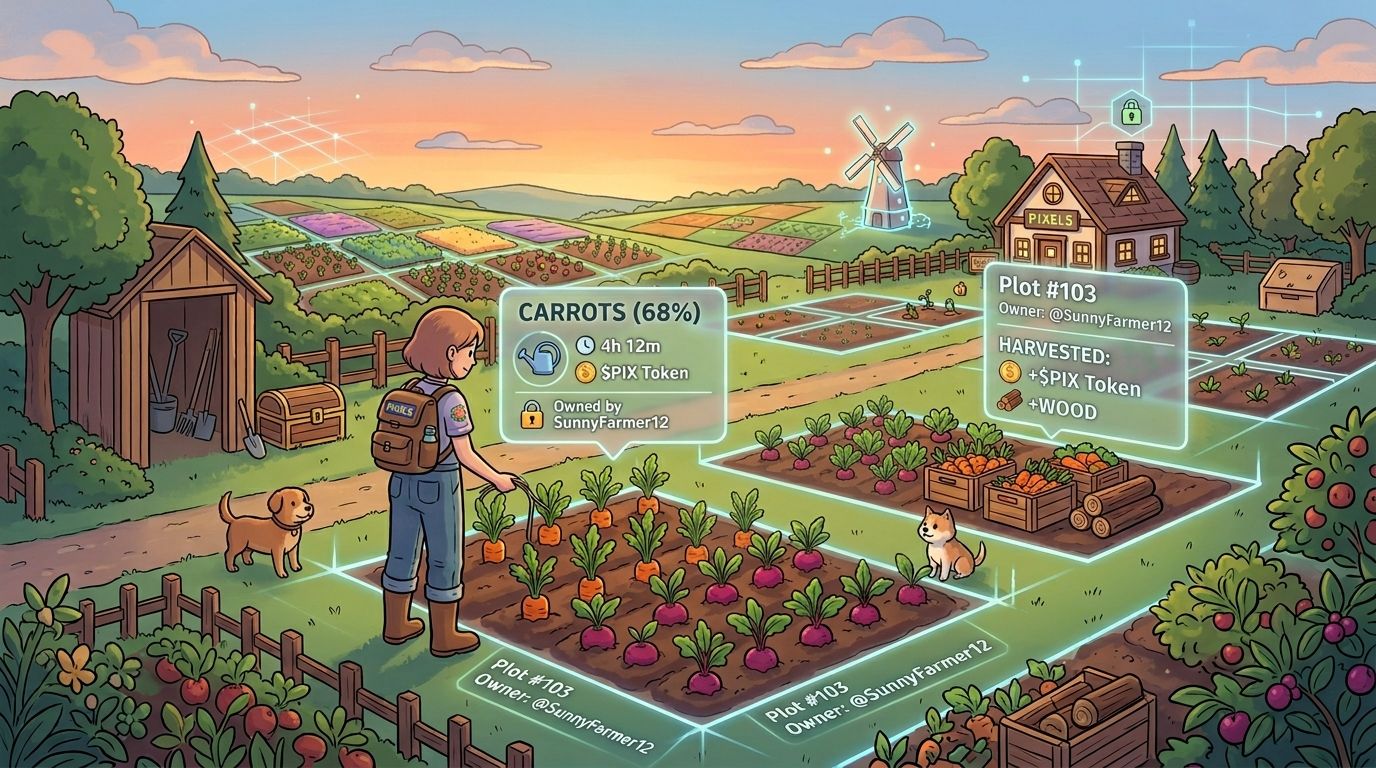
@Pixels seems built around that kind of slow learning curve. You don’t fully understand the system in one session. It reveals itself through repeated interaction.
Some players chase exploration every time they log in. Others focus only on efficiency. But routine sits somewhere in between. It gives you enough structure to notice patterns, but still leaves room for curiosity.
And maybe that’s where Web3 gaming feels different from older models.
Ownership and progression aren’t just about what you do once. They’re tied to what you keep doing.
Even farming in Pixels doesn’t feel like a one-time action loop. It becomes more like checking in with something you already started. Like maintaining a small digital ecosystem that reacts to your attention over time.
There’s also a quieter psychological side to it.
Routine removes pressure.
When you’re not trying to “win today,” you start thinking in longer spans. You’re not reacting to urgency, you’re just maintaining presence. And in systems like $PIXEL onomies, that mindset can actually make your choices more stable.
I’ve seen people burn out quickly when they treat Web3 games like short-term tasks. They rush, optimize too early, and then lose interest once the fast gains slow down.
But the ones who stay usually don’t treat it like that. They just keep showing up, even when nothing exciting happens.
It doesn’t feel impressive in the moment, but it compounds quietly.
Maybe that’s the part that’s easiest to miss.
Routine isn’t about efficiency alone. It’s about staying connected long enough for understanding to form naturally.
And in Pixels, understanding the rhythm might be more valuable than any single strategy.
Sometimes I wonder if the real game isn’t just farming or exploration, but how consistently you’re willing to interact with it without needing instant feedback.
Because over time, the system starts reflecting your habits back at you.
And that’s when things quietly start to change.
