
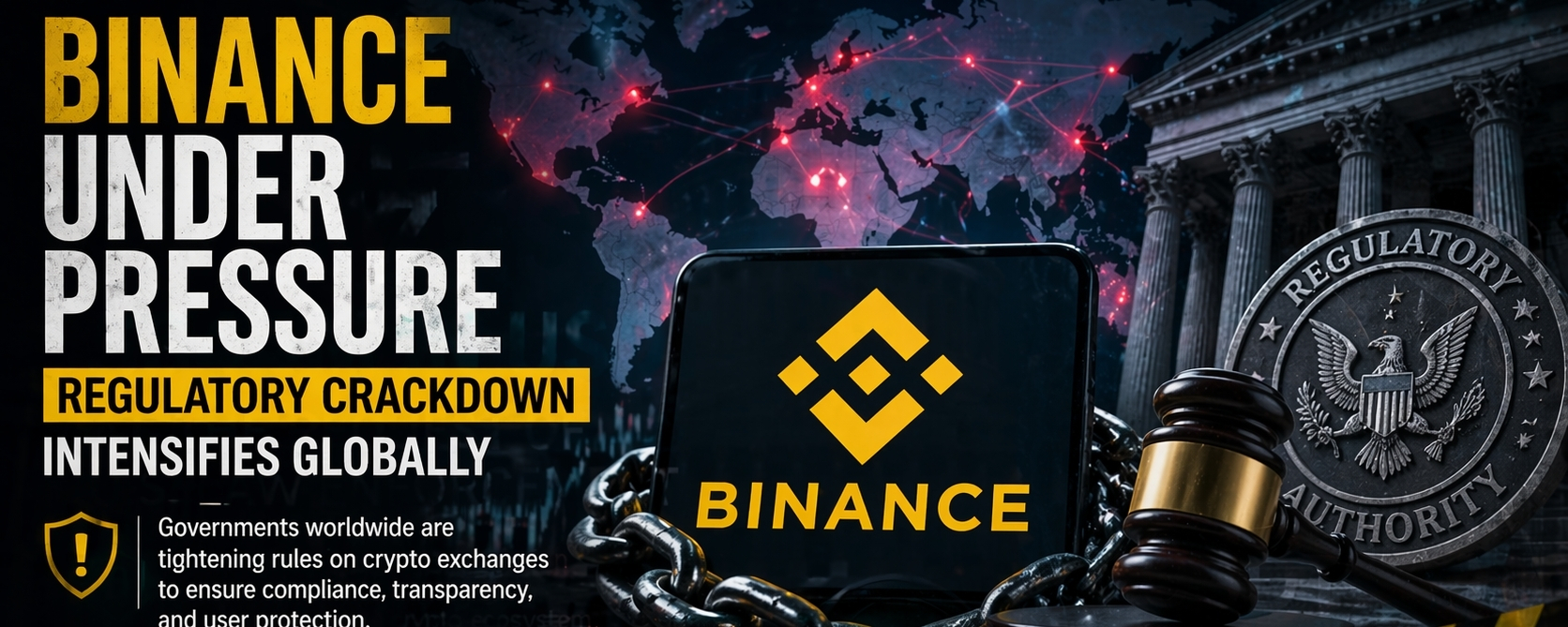
In recent months, Binance has found itself at the center of increasing regulatory scrutiny across multiple countries. Authorities from regions including the United States, Europe, and Asia are tightening their grip on the world’s largest crypto exchange, raising concerns about compliance, transparency, and user protection.
Governments are no longer taking a passive approach to crypto. Instead, they are actively enforcing stricter rules to ensure that platforms like Binance operate within established financial laws. Investigations and legal actions have highlighted issues related to anti-money laundering (AML) policies and customer verification processes.
This growing pressure reflects a broader shift in the crypto industry. What was once seen as a decentralized and lightly regulated space is now evolving into a system that must coexist with traditional financial regulations.
For users and investors, this situation is a double-edged sword. On one side, increased oversight can bring more security and legitimacy to the market. On the other, it raises concerns about privacy and the original vision of financial freedom that cryptocurrencies promised.
As regulators continue to step in, the future of crypto platforms will depend heavily on their ability to adapt and comply without losing their core value proposition.