
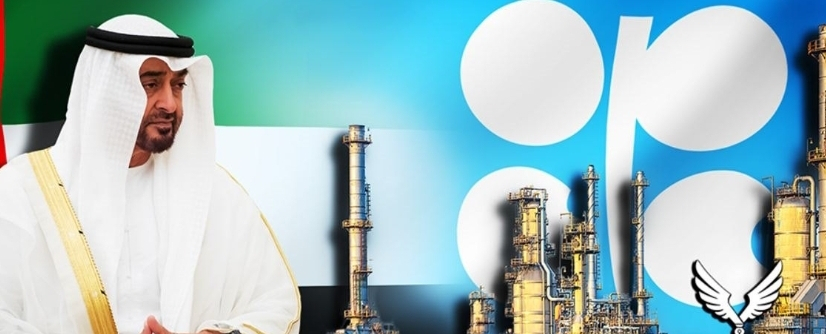
What are OPEC and OPEC+?
OPEC (Organization of the Petroleum Exporting Countries) is a group of oil-producing countries that coordinate oil production policies to influence global oil prices. It includes major producers like Saudi Arabia, Iraq, Iran, and the UAE.
OPEC+ is an expanded version of OPEC that also includes non-OPEC countries such as Russia, Kazakhstan, and others. Together, they manage oil supply to stabilize prices in the global market.
The UAE is an important member because it is one of the largest oil producers in the Middle East and has significant influence on global energy markets.
Why do rumors like “UAE leaving OPEC+” appear?
Sometimes such claims appear due to:
Production disagreements – Countries may disagree on how much oil they should produce.
Quota disputes – OPEC+ sets production limits (quotas), and members sometimes want higher limits.
Market strategy differences – Some countries want to sell more oil for revenue, while others want to keep prices high by limiting supply.
For example, in recent years, there have been disagreements between some Gulf countries and OPEC+ leadership about production targets. The UAE has at times argued that its production capacity should be recognized more fairly. However, these disagreements do not mean withdrawal.
What would happen if the UAE left OPEC/OPEC+?
If a major producer like the UAE left, it could have big effects:
1. Oil prices could become unstable
OPEC+ plays a key role in controlling global oil supply. If a member leaves, coordination becomes weaker, and prices could fluctuate more.
2. UAE could increase independent production
The UAE might produce oil based on its own economic strategy rather than group agreements, potentially increasing output.
3. Reduced influence in global energy politics
Being in OPEC+ gives countries collective bargaining power. Leaving could reduce diplomatic influence in energy decisions.
4. Impact on global markets
Investors and energy markets would react strongly, possibly causing short-term uncertainty in oil price.