@Pixels Gaming Coin is emerging as a fascinating concept at the intersection of blockchain technology and the rapidly expanding gaming industry, offering a unique approach to how players interact with virtual economies. Unlike traditional in-game currencies that are locked within a single platform, Pixel Gaming Coin is designed to function across multiple games, creating a unified ecosystem where players can truly own, trade, and utilize their digital assets. This interoperability introduces a new level of freedom for gamers, allowing them to transfer value seamlessly between different gaming environments without losing progress or purchasing power. One of the most distinctive aspects of Pixel Gaming Coin is its focus on rewarding creativity and participation rather than just gameplay achievements. Players who design custom skins, levels, or mods can earn coins directly from other users who appreciate and purchase their creations, effectively turning gaming into a decentralized creator economy. This model shifts the traditional developer-centric structure toward a more community-driven approach, where users play an active role in shaping the game’s value system. Moreover, Pixel Gaming Coin leverages smart contracts to ensure transparency and fairness in transactions, reducing the risk of fraud or manipulation that can occur in centralized marketplaces. Another innovative angle is its integration with play-to-earn mechanics, but with a twist that emphasizes skill development and collaboration instead of repetitive grinding. For example, players might earn coins by participating in team-based challenges, solving complex puzzles, or contributing to community events, encouraging meaningful engagement rather than monotonous tasks. Additionally, the coin can be used beyond gaming, such as purchasing digital art, accessing exclusive online communities, or even trading on cryptocurrency exchanges, which enhances its real-world utility. However, despite its promising potential, Pixel Gaming Coin also faces challenges, including market volatility, regulatory concerns, and the need for widespread adoption among both developers and players. Ensuring scalability and maintaining a balanced in-game economy are also critical factors that will determine its long-term success. If not managed carefully, inflation or exploitation could undermine the system’s credibility. Nevertheless, the concept represents a bold step toward redefining digital ownership and monetization in gaming. By combining blockchain technology with user-generated content and cross-platform functionality, Pixel Gaming Coin has the potential to reshape how value is created and exchanged in virtual worlds. As the gaming industry continues to evolve, such innovations could pave the way for a more inclusive and economically empowering experience for players worldwide, making gaming not just a source of entertainment but also a viable avenue for income and creative expression.

Article
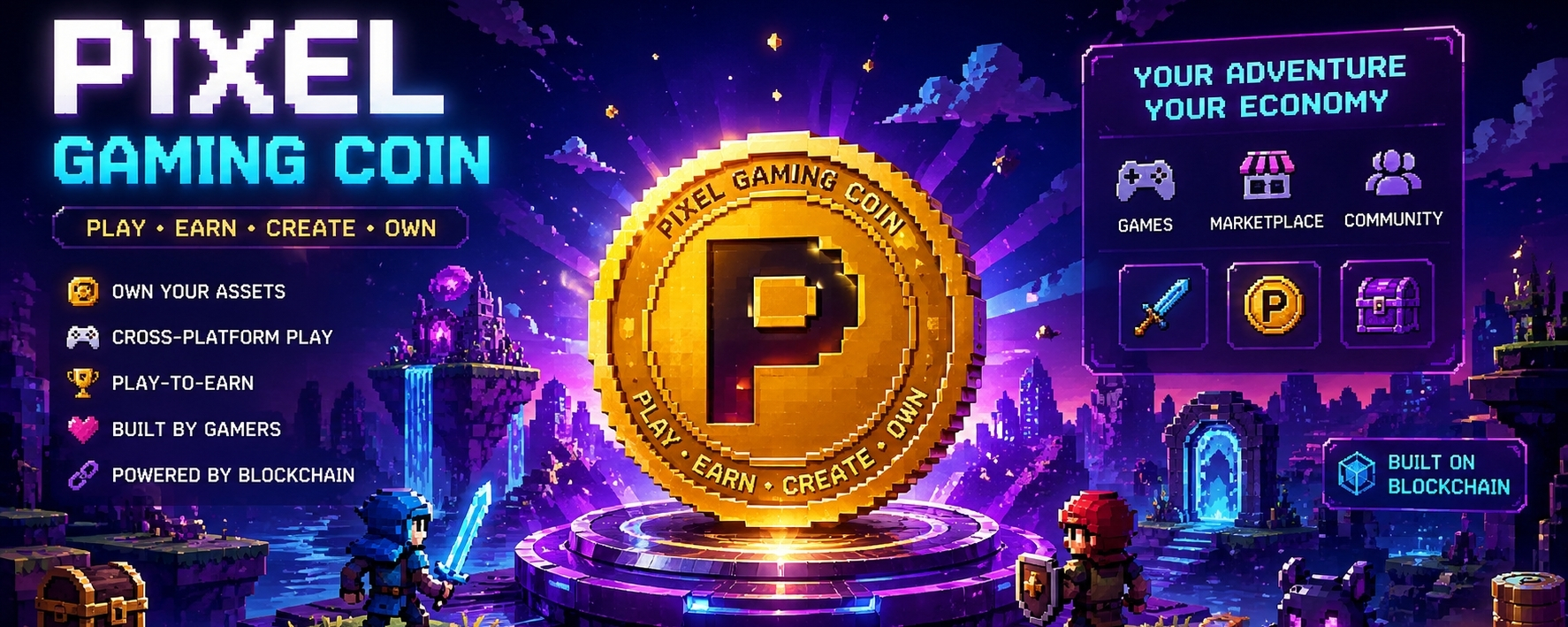
Pixel Gaming Coin: Redefining Ownership and Creativity in the Digital Gaming Economy
--
Avertissement : comprend des opinions de tiers. Il ne s’agit pas d’un conseil financier. Peut inclure du contenu sponsorisé. Consultez les CG.