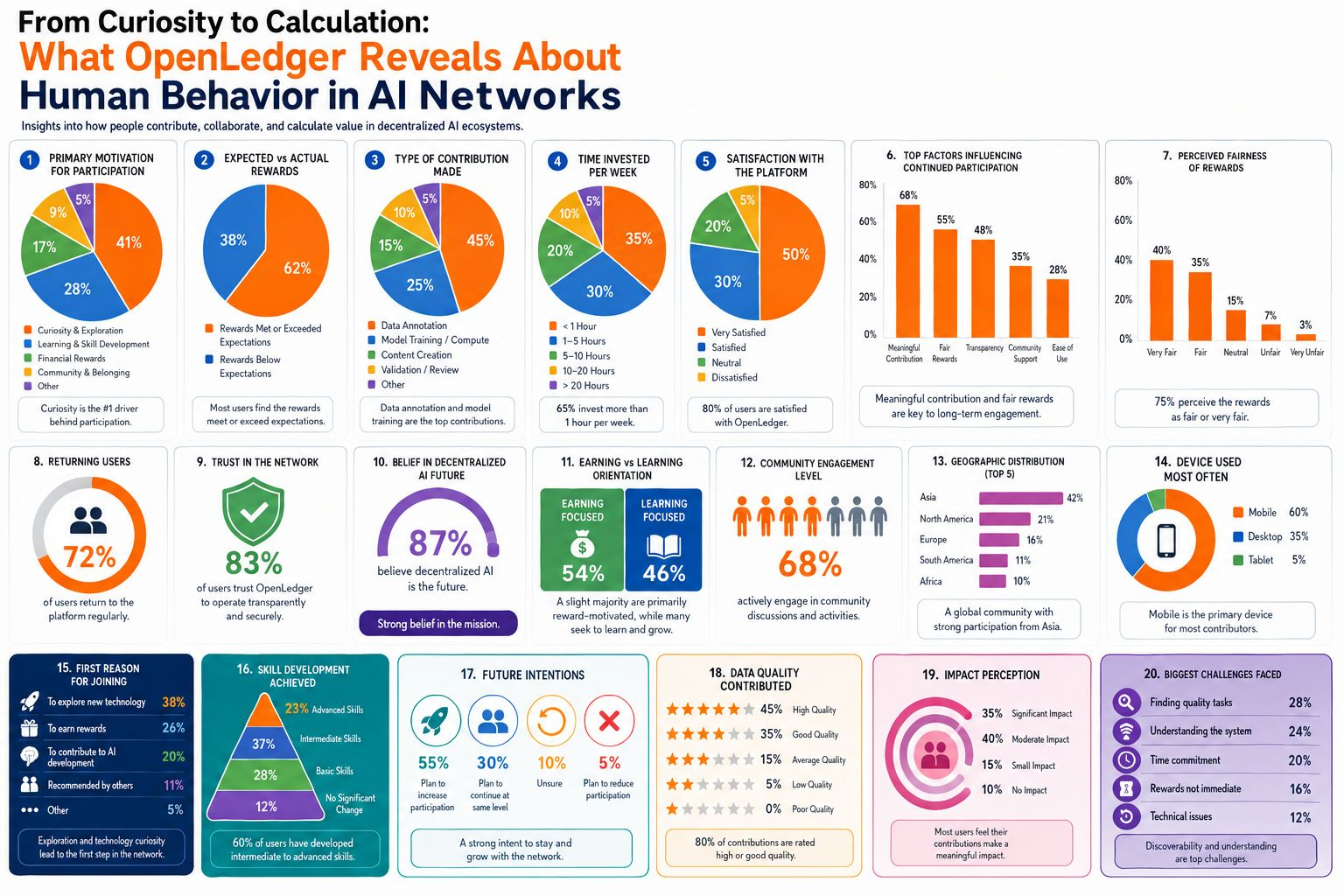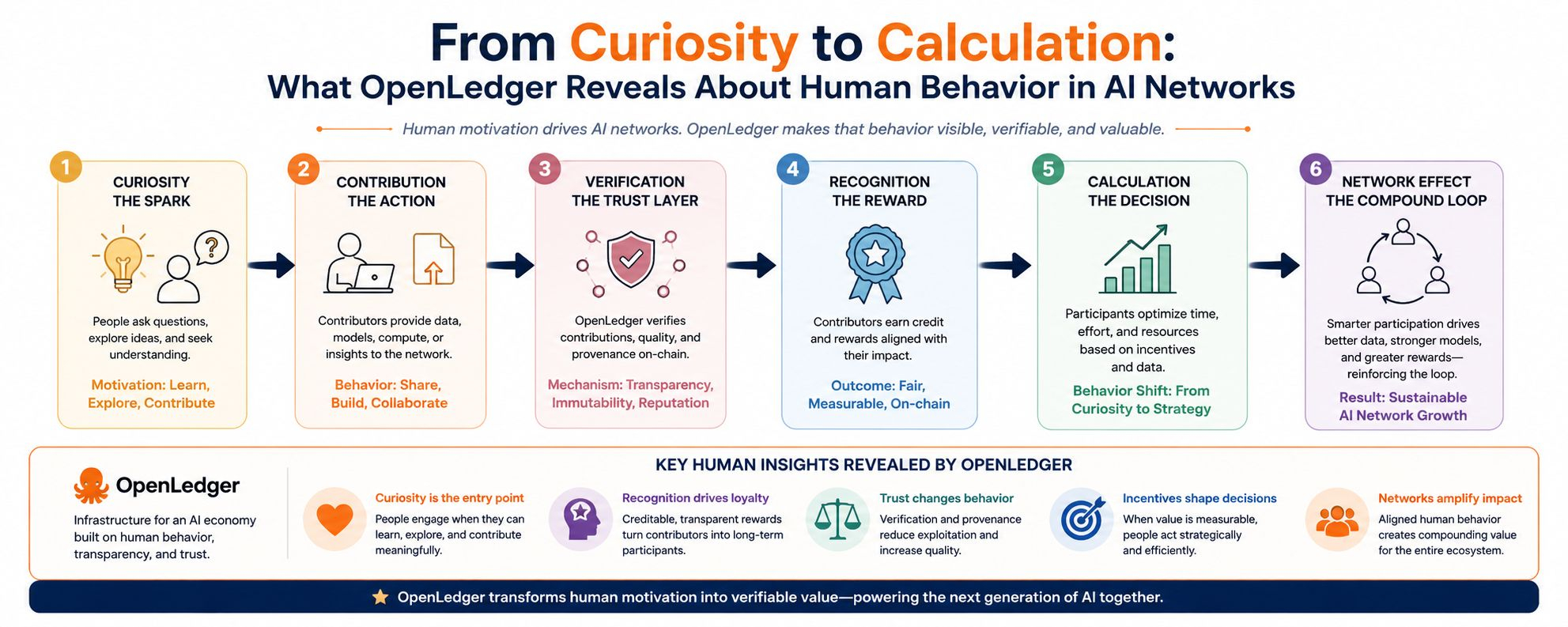

I've been watching projects like OpenLedger for a while now, and one thing I've learned is that the most interesting changes rarely happen all at once. They appear slowly, almost quietly, hidden beneath announcements and daily discussions. When I first came across the idea of an AI blockchain designed to unlock liquidity around data, models, and agents, I wasn't immediately focused on the technology. What caught my attention was how people were responding to it and what that response might reveal over time.
At first, there seemed to be a genuine sense of curiosity. People were asking questions, exploring possibilities, and trying to understand what a system like this could mean. I remember seeing discussions that felt open-ended rather than calculated. There was less talk about extracting value and more interest in creating it. For a moment, it felt like people were engaging because they found the idea itself worth exploring.
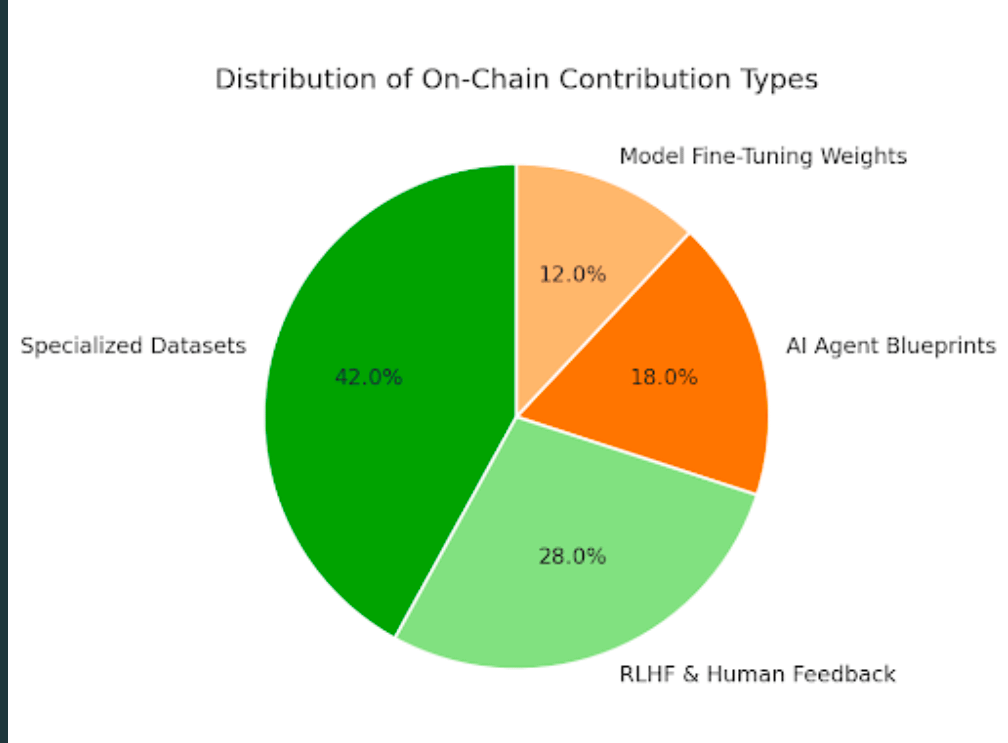
But I've noticed that curiosity rarely stays in its original form for very long. Once participants begin to understand where rewards might come from, their attention naturally starts to move. The conversations become more practical, then more strategic. Questions shift from "What can this become?" to "How do I position myself within it?" It's a subtle change, but after seeing enough ecosystems develop, it becomes hard not to recognize the pattern.
What fascinates me is that nobody usually plans for this shift. It happens almost automatically. People begin by contributing because they're interested, yet eventually many start adjusting their behavior around whatever the system values most. The focus moves toward earning recognition, securing opportunities, or improving standing within the network. It doesn't necessarily come from greed. More often, it seems to come from adapting to the environment around them.
As I watch OpenLedger grow, I find myself wondering about the invisible structures that guide participation. Every platform has them, even when they aren't obvious. Certain actions receive attention, certain contributions receive rewards, and certain behaviors become more visible than others. Over time, people learn these patterns and respond accordingly. What looks organic on the surface may be influenced by forces working quietly in the background.
I've also noticed how recognition can become a reward of its own. Some people are motivated by financial incentives, but others seem equally influenced by visibility and status. Being seen as an important contributor can shape behavior just as strongly as earning tokens or rewards. Once that dynamic takes hold, participation becomes about more than building. It becomes about being noticed, remembered, or validated by the system and the people within it.
The question of fairness keeps returning to my mind as well. Not because I think any system is intentionally unfair, but because outcomes often depend on things that aren't immediately visible. Timing matters. Access to information matters. Knowing where to focus attention matters. Two people can contribute similar effort and still experience very different results. The longer I observe these environments, the harder it becomes to believe that outcomes are shaped by effort alone.
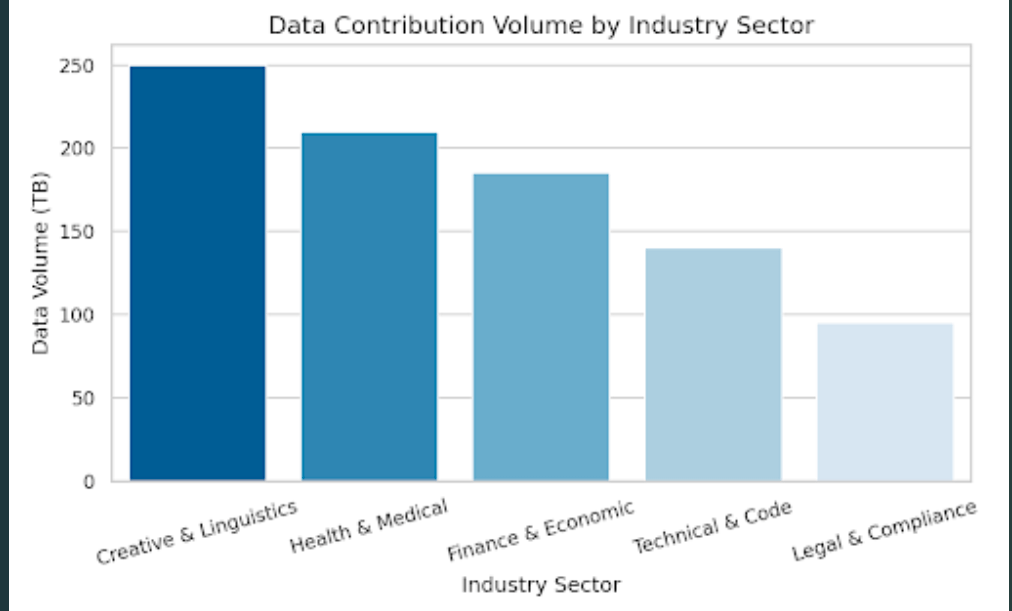
At the same time, I don't think incentives are inherently problematic. Communities need them. Without some form of reward, participation tends to fade. The challenge seems to be that incentives eventually shape behavior in ways nobody fully predicts. A system created to encourage contribution may also encourage optimization. A network designed to reward value may gradually teach people how to perform for the reward itself.
Maybe that's why I find projects like OpenLedger interesting. Not because I think I understand exactly where they're heading, but because they reveal something familiar about human nature. We enter with curiosity, we learn the rules, and then we slowly adapt ourselves to those rules. Sometimes we don't even realize it's happening until we're already thinking differently than when we started.
The longer I watch these spaces, the less certain I become about simple explanations. Technology changes, narratives change, and incentives change, but people tend to follow similar patterns. And if there's one thought I keep coming back to, it's this: I'm not sure the most important thing is what a system promises to reward. I think the more interesting question is what kind of behavior it quietly teaches people to value over time.