
TON’s Next Major Shift: Stablecoin Infrastructure Is Expanding Beyond USDT
A Broader Stablecoin Vision Is Emerging
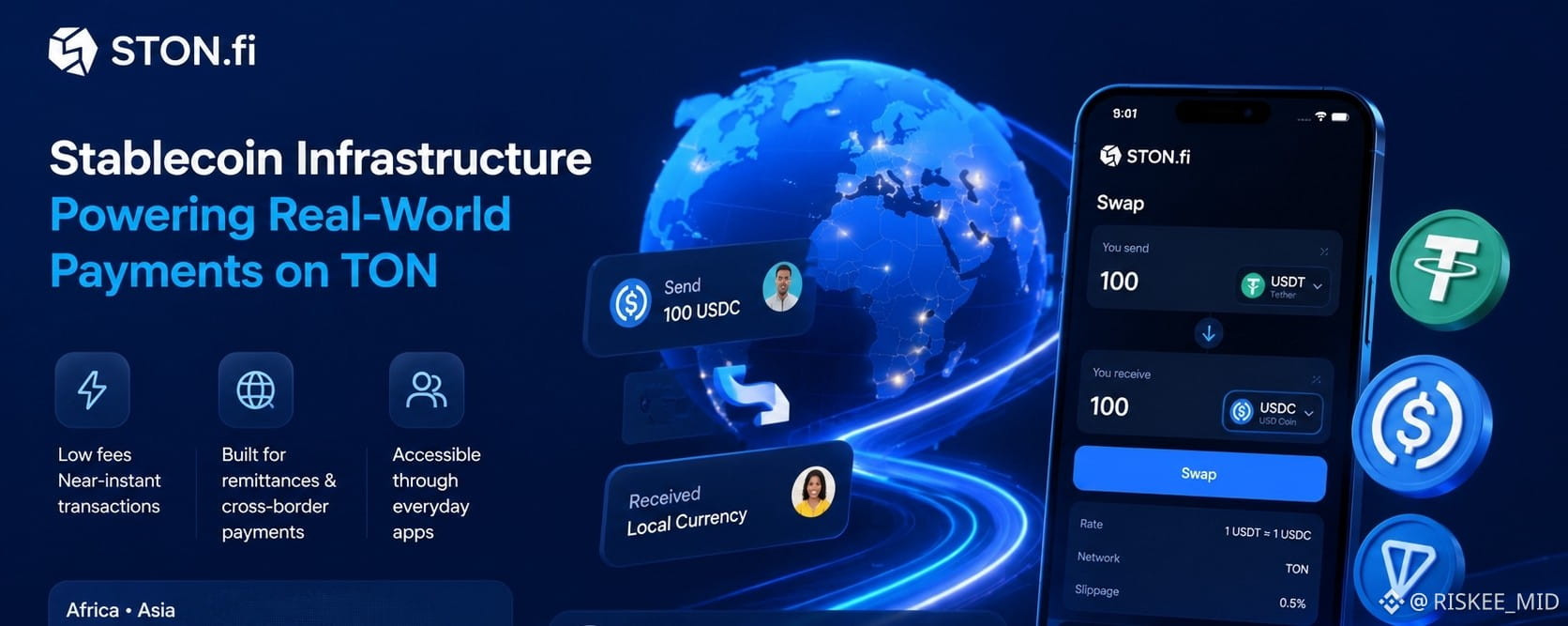
A significant transformation is underway inside the TON ecosystem. For a long time, much of the discussion around stablecoins on TON has centered on USDT. While that role has been important, the ecosystem is now moving into a broader and more ambitious phase. Projects connected to TON are beginning to test stablecoin models designed not only for crypto trading, but also for remittances, regional payments, and local currency integrations across parts of Africa and Asia.
This matters because it signals a shift from simple stable asset usage to real financial utility. The goal is no longer just to move value on-chain. The goal is to make digital transfers faster, cheaper, and easier to access through the apps people already use every day.
Why TON Fits This Direction
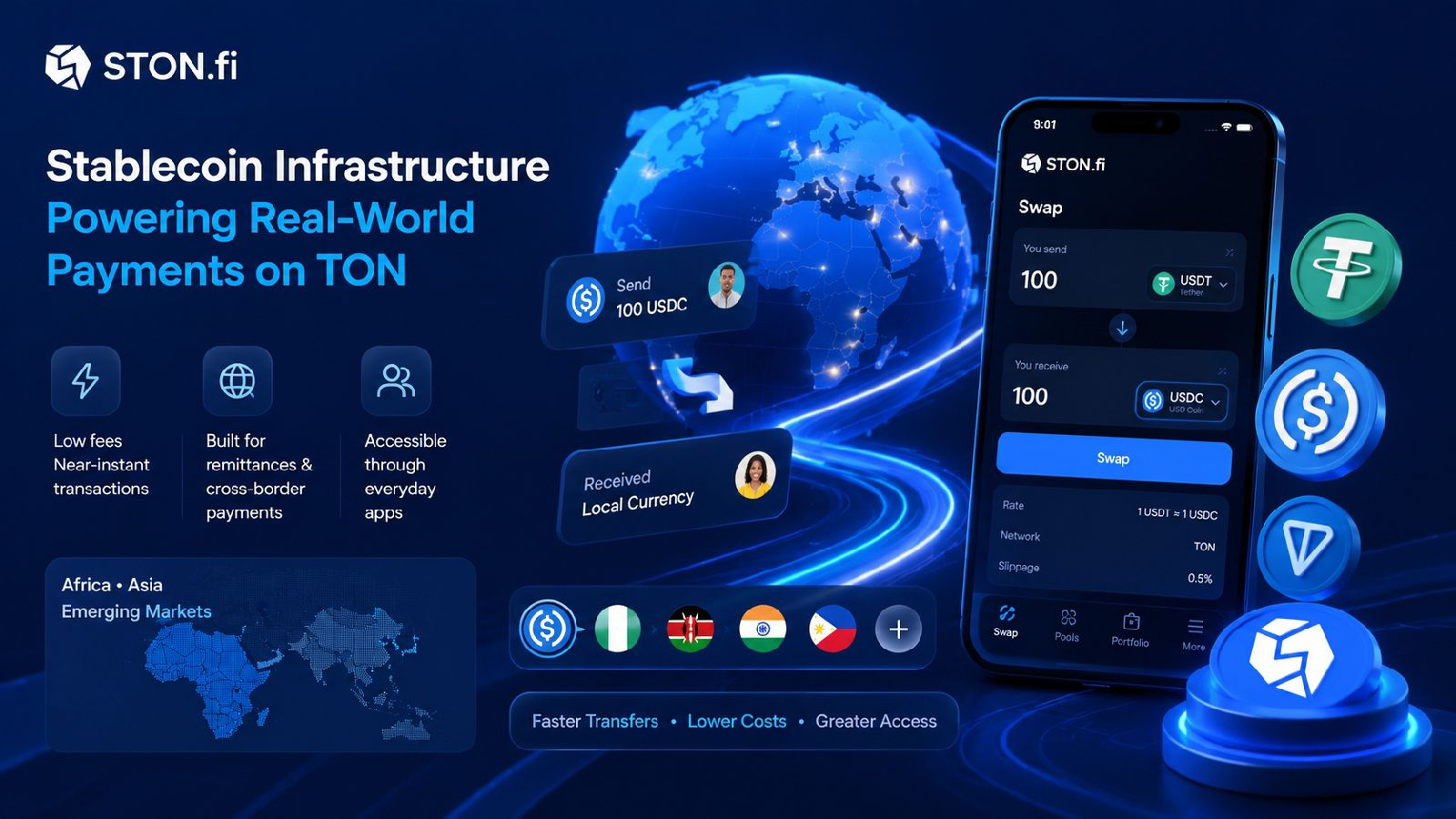
TON is naturally suited for this kind of growth. Its low transaction fees and near-instant settlement make it practical for small payments, repeated transfers, and cross-border movement of value. That advantage becomes even more important in regions where traditional financial systems can still be expensive, slow, or difficult to access.
For users sending money across borders, receiving payments from abroad, or converting value into a more stable digital asset, speed and affordability are not just nice features. They are essential. TON’s structure gives it a real opportunity to support those needs at scale, especially in mobile-first markets where convenience and cost efficiency matter most.
Stablecoins Are Creating New Demand
As stablecoin usage expands, the need for liquidity grows alongside it. That is one of the most important parts of this story. A stablecoin ecosystem is only as strong as the infrastructure behind it. Users need dependable access to swaps, conversions, and efficient liquidity between assets, especially when moving between regional currencies, stablecoins, and TON-based tokens.
This is where the ecosystem becomes more interconnected. Stablecoin adoption does not simply increase transfer volume. It creates a stronger demand for financial rails that can support constant movement between different assets. Without that liquidity layer, even a fast blockchain cannot fully deliver the experience users expect.
The Role of STON.fi in the Ecosystem
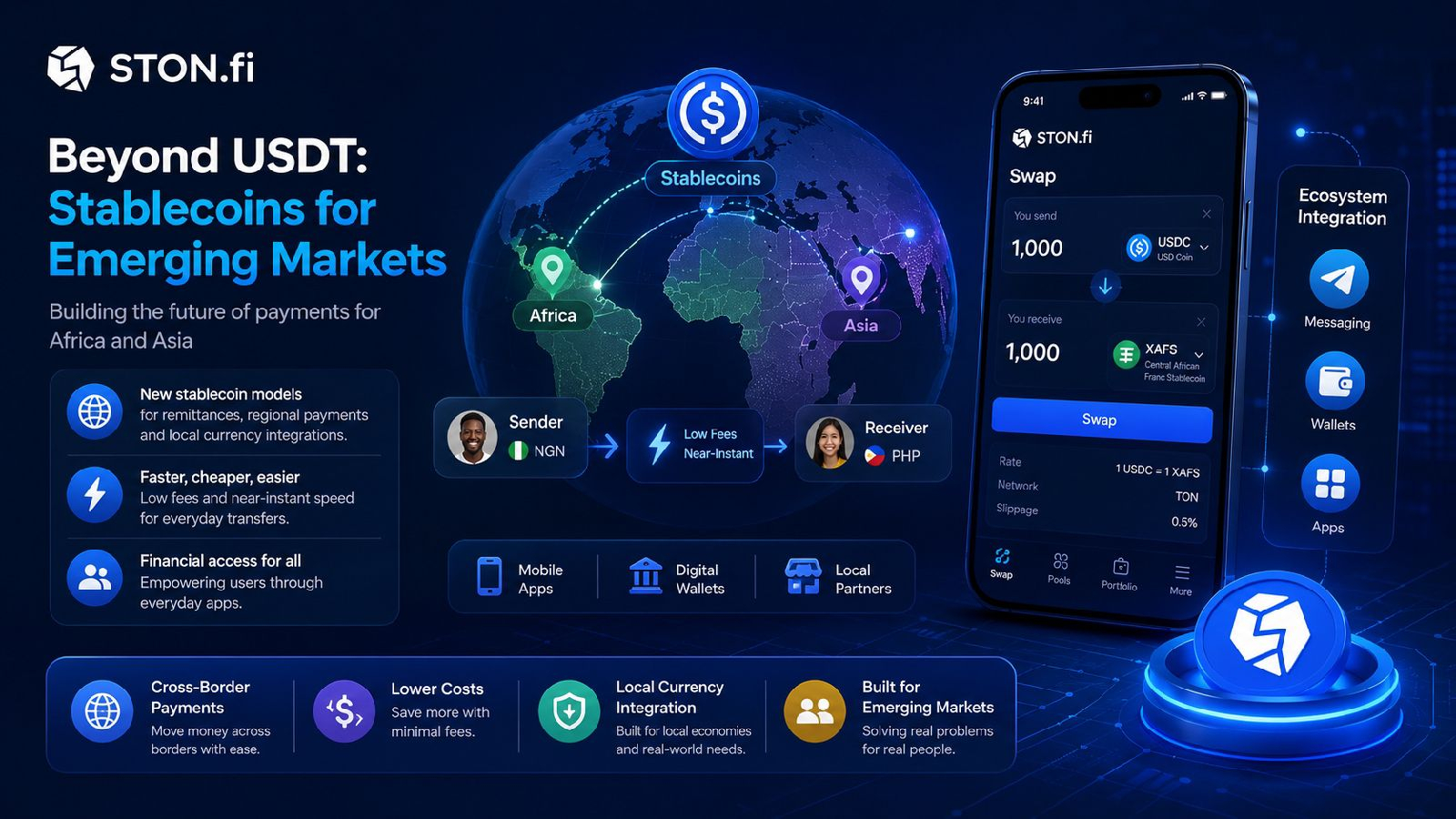
This growing demand is one of the reasons STON.fi continues to become increasingly important within TON. The platform sits directly at the point where stablecoin movement, trading activity, and liquidity access meet inside TON DeFi.
As more stablecoins begin moving through the network, platforms like STON.fi help provide the structure needed for those assets to be exchanged efficiently. That makes the platform more than just a trading interface. It becomes part of the backbone of the ecosystem, helping connect users to the liquidity they need in order for the broader financial system to function smoothly.
In a market where stablecoins are increasingly tied to real-world use cases, liquidity infrastructure becomes a central requirement rather than an optional extra. That is why STON.fi is gaining strategic relevance as TON’s financial activity deepens.
TON Is Becoming a More Complete Financial Ecosystem
The broader picture is even more interesting. TON is gradually evolving into a more complete financial ecosystem where payments, DeFi, and messaging infrastructure sit much closer together. This convergence creates a powerful foundation for adoption because it lowers friction between communication, transfer, and financial action.
When users can move from messaging to payments to asset swaps with very little interruption, the experience becomes much more practical for everyday life. That is especially valuable in emerging markets, where financial tools need to be simple, accessible, and fast.
This is part of what makes TON different. It is not only building financial infrastructure in isolation. It is creating an environment where digital finance can feel more embedded into routine user behavior. That design could help drive adoption far beyond the usual crypto audience.
Emerging Markets Could Shape the Next Growth Wave
Stablecoin adoption across emerging markets continues to grow, and that trend could become one of the most important drivers of TON’s next phase. In regions across Africa and Asia, users are increasingly looking for ways to send money, store value, and access financial services without depending entirely on traditional banking rails.
TON’s architecture, combined with stablecoin innovation, may offer a more practical alternative for those use cases. If local currency integrations continue to develop, and if regional payment models gain traction, the ecosystem could become relevant not just to crypto users, but to ordinary people looking for faster and more affordable financial tools.
That is where the long-term opportunity becomes clear. TON is not simply trying to support digital assets. It is moving toward becoming infrastructure for real financial movement across different markets and use cases.
Why Liquidity Infrastructure Matters Most
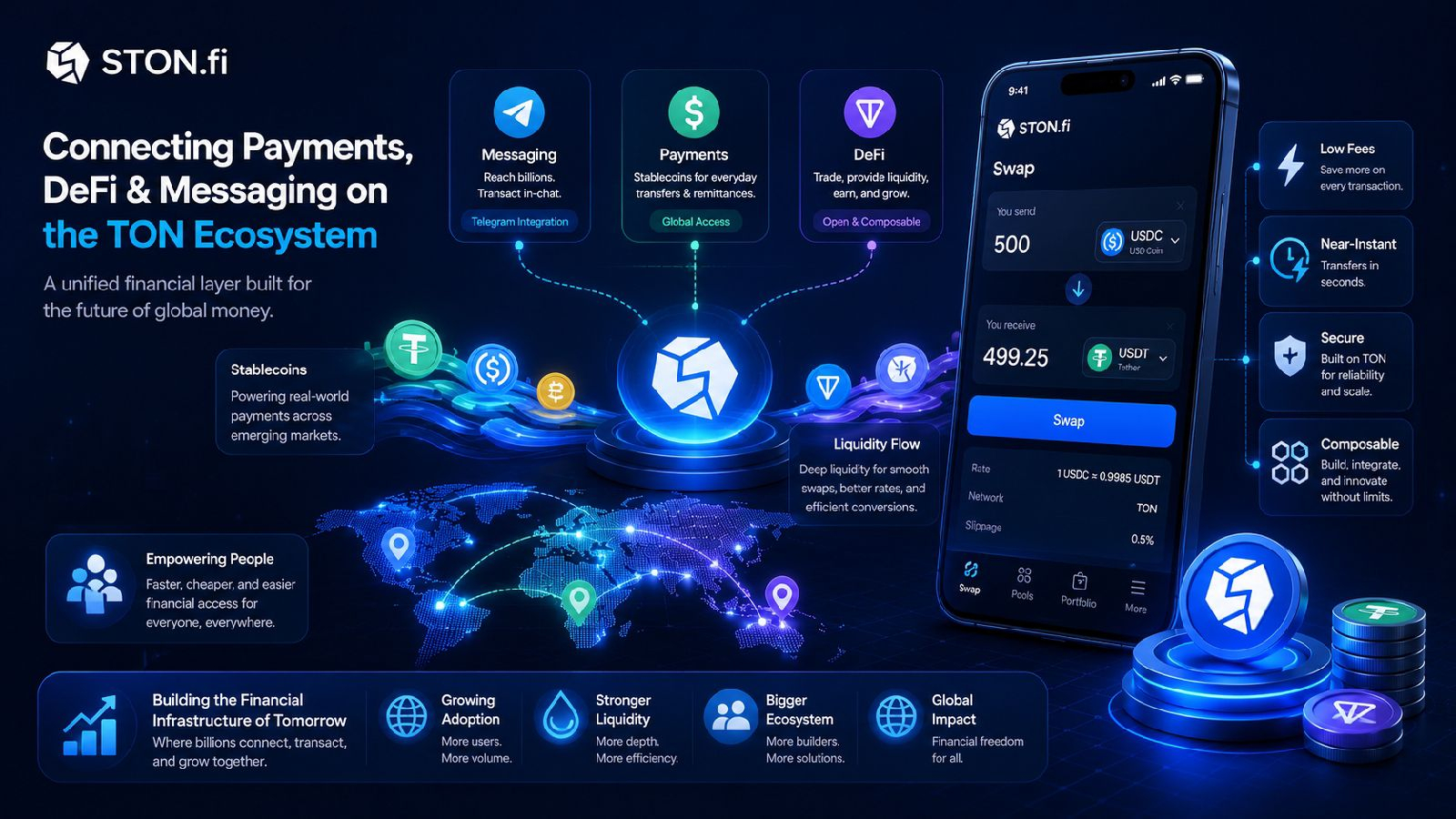
As stablecoin activity increases, liquidity infrastructure may become one of the strongest foundations supporting that expansion. This is because the movement of value depends on more than issuance alone. It depends on how easily users can enter, exit, convert, and route assets across the ecosystem.
Reliable liquidity helps ensure that stablecoins can be used in practice, not just in theory. It supports smoother swaps, better pricing, and more efficient asset movement. In a network like TON, where speed and usability are key strengths, strong liquidity infrastructure becomes one of the main pillars of long-term growth.
STON.fi’s role in that structure makes it especially important to watch as the ecosystem matures. It sits at the intersection of stablecoin flow and decentralized liquidity, which means its relevance rises as transaction volume and financial complexity increase.
The Bigger Outlook for TON
The direction TON is taking suggests a network that is moving beyond a narrow crypto use case and toward a more complete digital economy. Stablecoins, liquidity, payments, and messaging are beginning to connect in ways that could make the ecosystem more useful, more scalable, and more relevant to everyday users.
If this trend continues, TON may become one of the more interesting blockchain environments for real-world financial activity, particularly in markets where mobile access, lower fees, and cross-border convenience matter most.
The story is no longer just about stablecoins on TON. It is about the infrastructure being built to support them, the liquidity that keeps them usable, and the broader financial ecosystem forming around them.
Where to Follow the Activity
Users tracking how stablecoin liquidity and asset movement are developing across TON can monitor activity directly through STON.fi: app.ston.fi/swap
More information is also available here: blog.ston.fi