


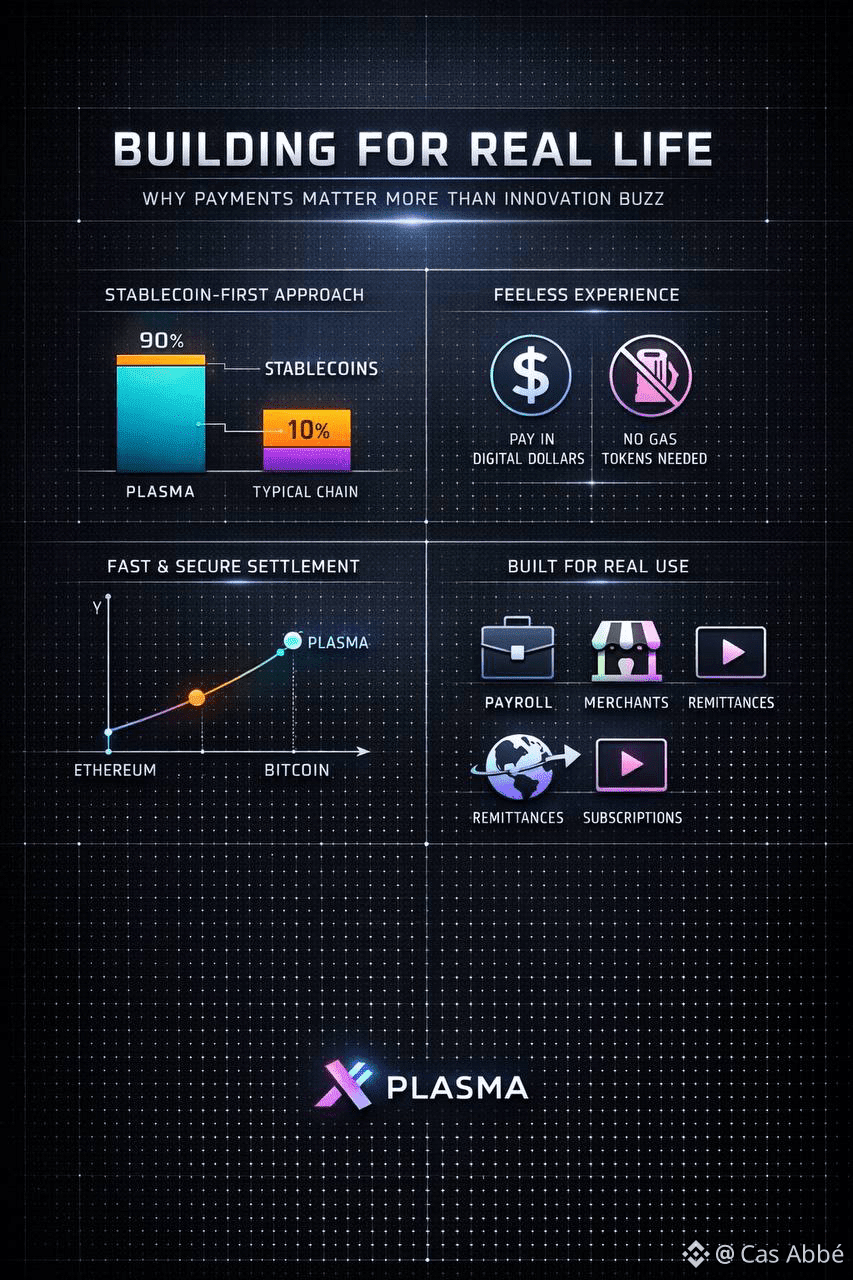
I would be impressed by complicated blockchain concepts. New mechanisms, faster chains, clever token models. However, as time went by, I noticed something uncomfortable all these ideas did not assist normal people in doing normal things. Sending money was still hard. Paying someone felt risky. And it was more trouble than it was frequently worth using crypto. That was the cause of me taking the interest of taking a more serious look at projects such as Plasma.
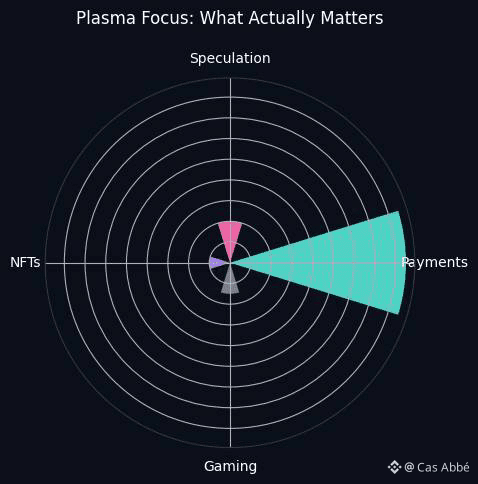
What Plasma made me realize is that technology does not succeed due to its advancedness. It succeeds since it is part of reality. Majority of the population does not desire to handle assets whose value varies after every minute. They want stability. They want clarity. They would like to understand that, when they send money now they know that tomorrow they will say the same thing. Plasma makes its beginning with that truth and develops everything on its basis.
The choice to work on stablecoins is not a technical choice, it is a human one. Stablecoins are already acting as electronic money. They coincide with the way individuals think of money. Plasma eliminates fear and confusion before people even start by ensuring that the use of stablecoins is the main feature of the system rather than an addition. That is sufficient to make adoption more realistic.
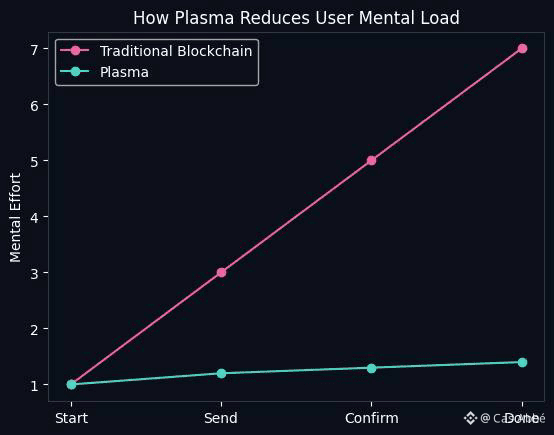
The other lesson that Plasma teaches is that the users must not bear the responsibility of infrastructure. In most blockchain models, users should be aware of the gas charges, have special tokens, and schedule transactions. Plasma considers this design failure. There are fees involved, which are done under the hood. Apps can cover them. Or their users can remit them in the currency they are dispatching. In any case, user experience remains easy. This is the way the current financial apps operate, and that is the sense of familiarity that sparks trust.
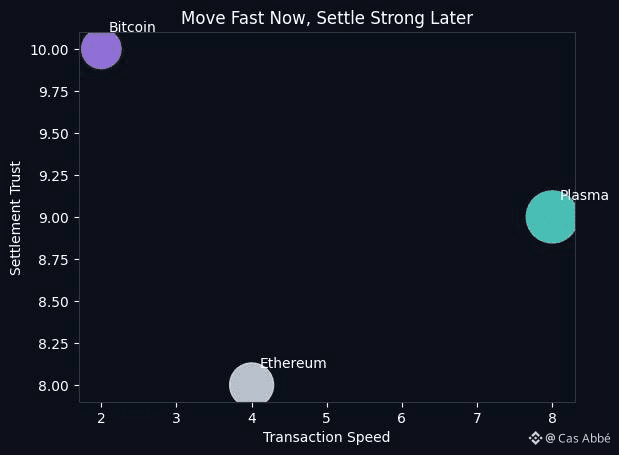
Another area that Plasma is up-to-date with the real world is speed. Slow payments are broken, although they may be technically secure. Transactions are verified within a matter of seconds using plasma and therefore it can be used in day-to-day tasks such as transactions involving retail stores or salaries. Simultaneously, it realizes that speed which lacks trust is weak. Plasma leverages Bitcoin by basing its long-term security on the cryptocurrency, which allows heavy settlement guarantees but with rapid movement. Such a balance is hard to find and is deliberate.
The real thing that impressed me about Plasma is their way of thinking. It is not constructed on the basis of first speculation. It is built for use. The flow of money is good to merchants, workers, businesses, and apps. Plasma is not an experiment and more of an infrastructure. And history knows that the world is changing not by excitement, but by infrastructure.

