I was filling out a routine form at a local office while a payment was being processed in the background. My personal details stayed private, handled quietly, yet the transaction itself was fully recorded and traceable if anyone with authority needed to review it later. Nothing felt hidden and nothing felt exposed. That balance felt normal. When I think about blockchains, I notice how often they fail at this exact point. They push users into a strange choice between total visibility or total secrecy. Plasma XPL begins from that everyday reality. It treats privacy and oversight as parts of the same system, not as enemies, and that mindset shapes everything else that follows.

Plasma XPL is built for one clear purpose. Stablecoin settlement. Not speculation, not trends, not experiments that fade after a cycle. I’m seeing stablecoins used as real money by real people. They are savings in places where banks feel unsafe. They are payroll tools for global teams. They are payment rails for online businesses. Yet the systems moving them still feel fragile. Transfers can stall. Fees can surprise users. Sometimes money cannot move at all because someone forgot they needed a separate token just to send what they already own. I keep asking myself, "why should moving digital dollars feel harder than sending a message?"
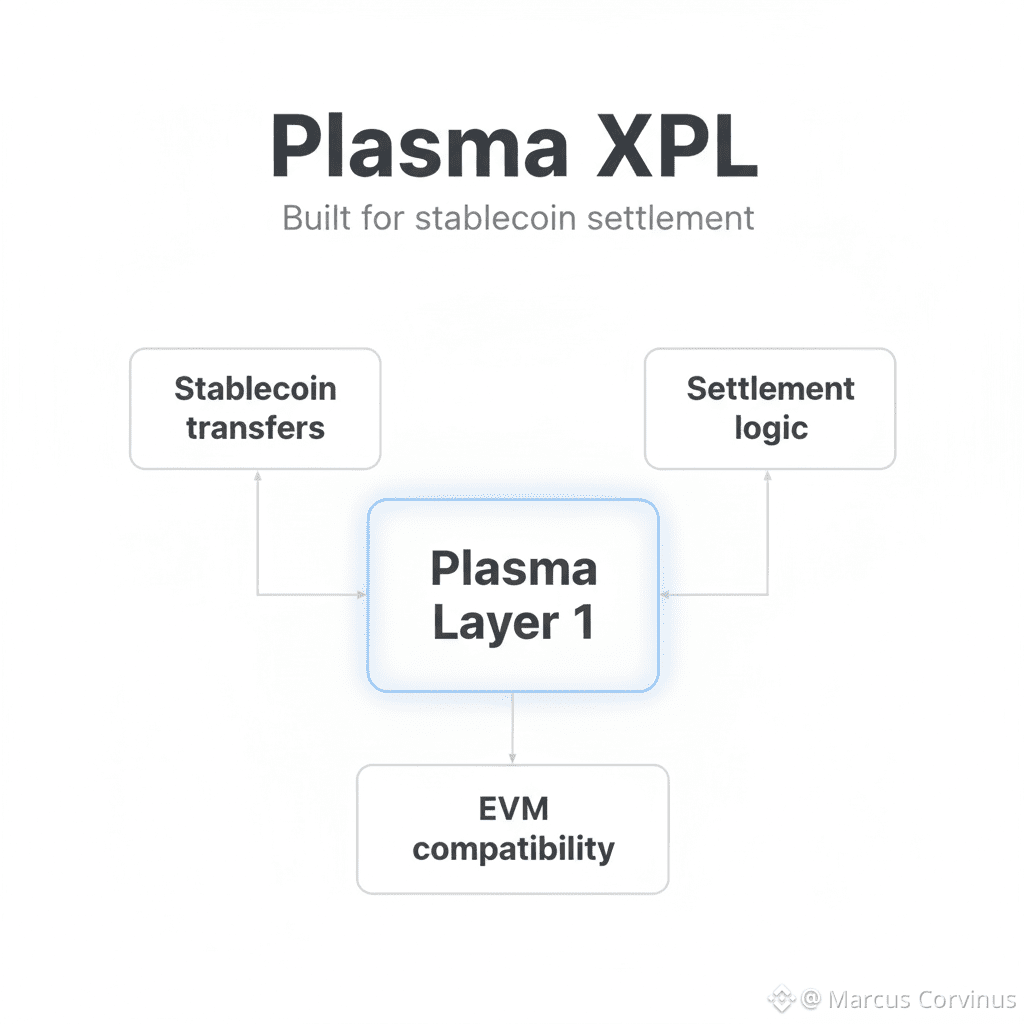
The design of Plasma starts by removing that confusion. It is a base network built around stablecoins from the ground up. They’re not treated as guests on the system. They are the reason the system exists. Everything else supports that goal. The network is compatible with the Ethereum style execution environment, which means builders can use familiar tools and logic. That matters because payments infrastructure grows slowly and carefully. Developers do not want novelty. They want reliability. Plasma understands that and builds where people already know how to work.
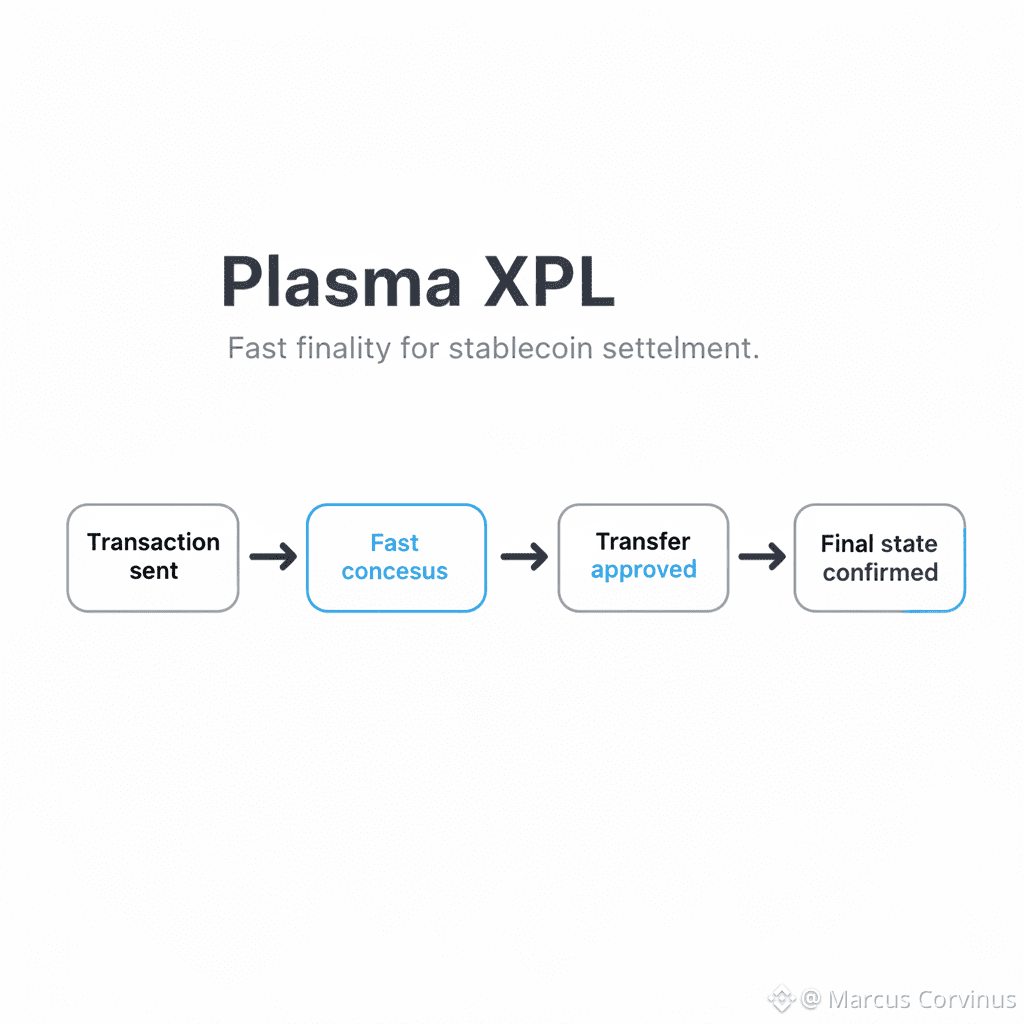
Speed is handled with the same practical thinking. Plasma uses a fast consensus design intended to confirm transactions quickly and predictably. I do not think users care about technical names here. They care about one feeling. Confidence. If I send money and it arrives quickly every time, I trust the system. If it hesitates, even once, doubt creeps in. Plasma is built to reduce that doubt, especially under heavy usage. That is what makes a network usable for daily settlement, not just occasional transfers.
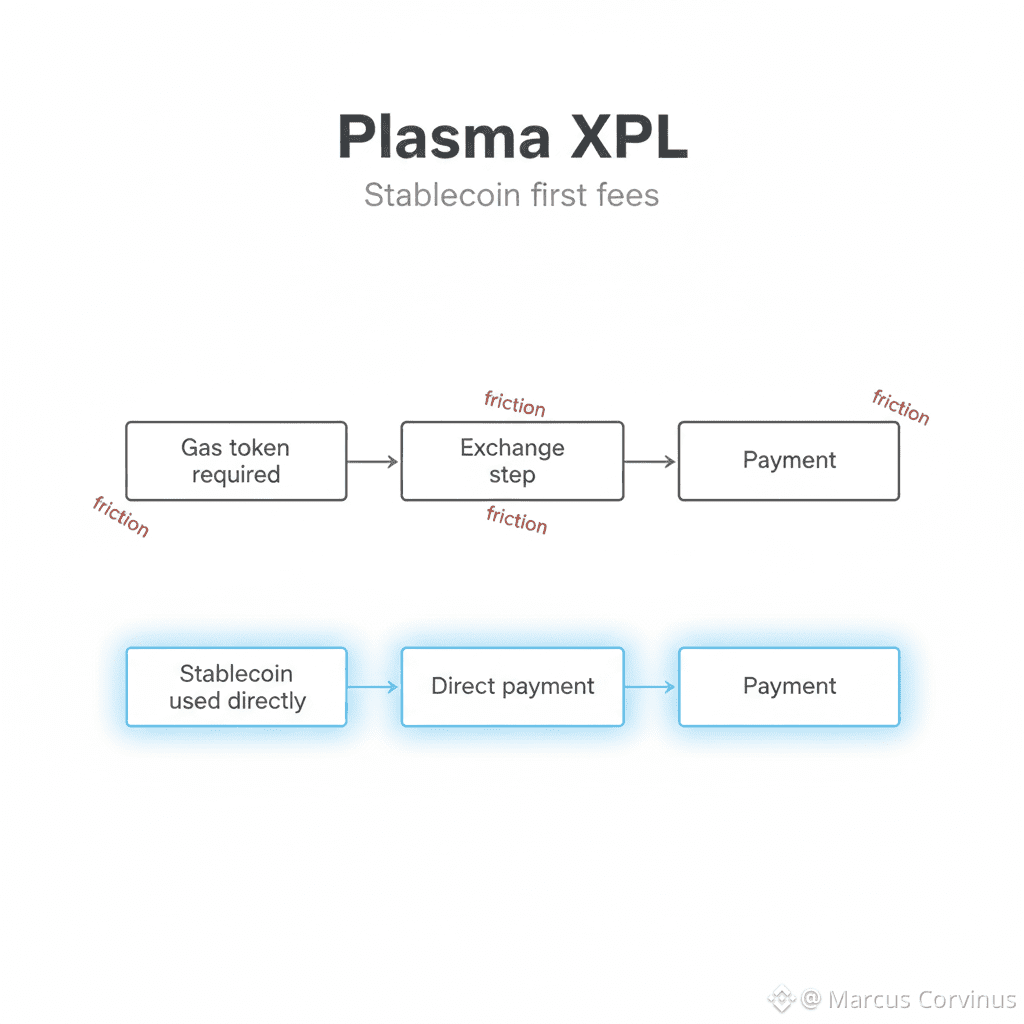
Fees are another place where Plasma shows restraint and focus. Many systems force users to hold a volatile asset just to pay fees. That breaks the idea of stable money. Plasma supports gasless stablecoin transfers and fee models that respect the context of the transaction. If someone is using stablecoins, the system adapts to that instead of forcing extra steps. I keep thinking this is one of those changes that looks small on paper but feels huge in real life. Fewer steps mean fewer mistakes and fewer abandoned transactions.
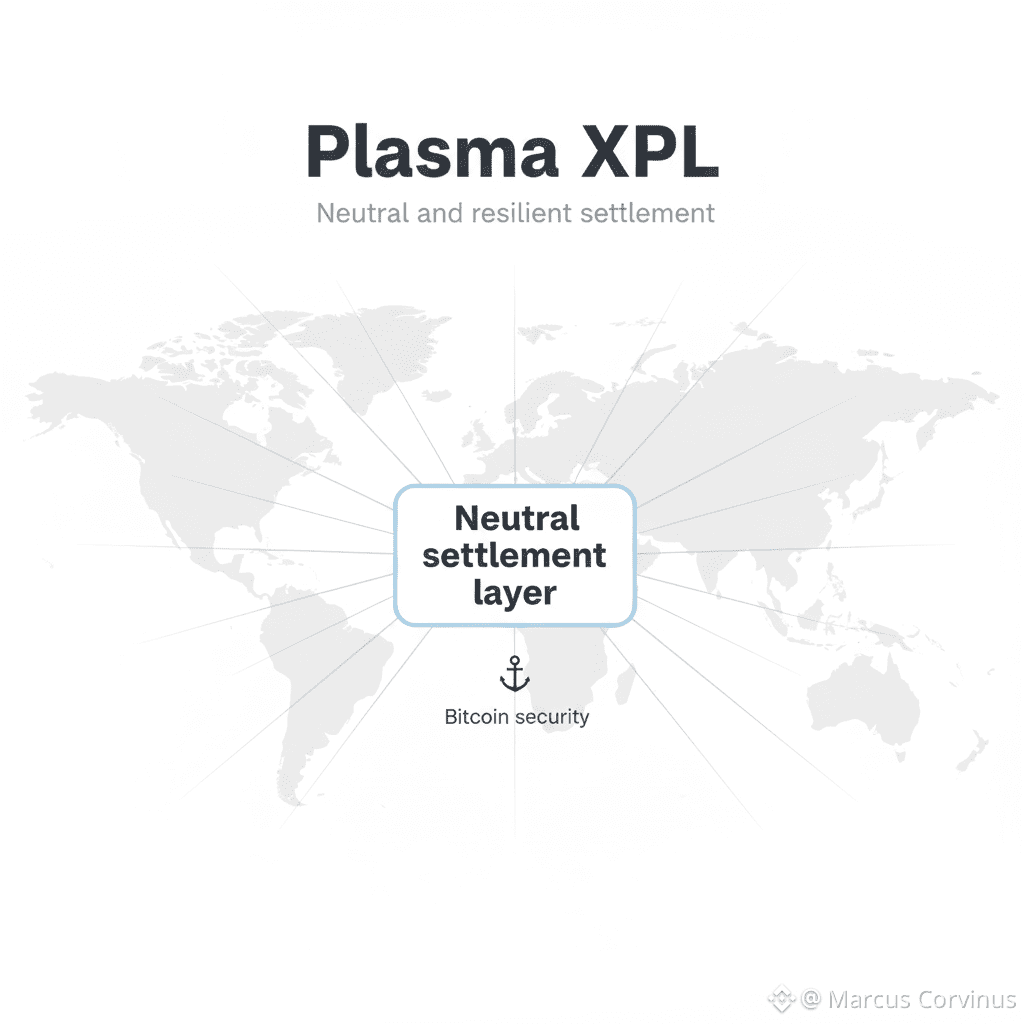
Security is treated as a long term responsibility, not a marketing feature. Plasma is designed to anchor parts of its security to Bitcoin over time, aiming to inherit neutrality and resistance to control. This is not about copying another network. It is about choosing a foundation that has survived pressure for years. For settlement systems, neutrality is not optional. Money needs to move even when conditions are uncomfortable. Plasma’s approach suggests they are building for that reality, not just for calm periods.
Liquidity is another quiet requirement that Plasma does not ignore. A settlement network without deep liquidity fails the moment real demand appears. Plasma is built with the expectation that stablecoins must be available in size, so payments do not break during peak usage. Liquidity here is not a bonus feature. It is core infrastructure. Without it, everything else becomes theory.
What stands out to me is that Plasma does not stop at infrastructure. There is a clear effort to build products on top that feel familiar. Tools designed for saving, sending, spending, and earning with stablecoins aim to make usage feel normal. People do not adopt protocols. They adopt experiences. If the experience feels safe and simple, the underlying technology fades into the background, which is exactly how financial systems should behave.
Regulation is approached with the same realism. Plasma does not pretend rules do not exist. It builds systems that can operate within them while still protecting sensitive information by default. I keep returning to the same question, "why should financial privacy disappear just because money moves on a blockchain?" Plasma’s design suggests that auditability and privacy can coexist, just as they do in traditional systems, when architecture is intentional.
The XPL token supports the network by aligning incentives and securing participation. It is positioned as infrastructure, not spectacle. For a settlement focused network, trust matters more than noise. Supply design, incentives, and long term participation all aim to support steady growth instead of sudden shocks. That slower pace fits the role Plasma is trying to play.
When I step back, I notice how consistent the project feels. Plasma XPL does not try to solve every problem in crypto. It focuses on one and takes it seriously. Stablecoins are already money for millions of people. The question is simple and demanding at the same time, "can the rails carrying that money finally feel as mature as the money itself?" Plasma is built around answering that question without shortcuts.
If Plasma succeeds, most users will never think about it. They will just notice that payments work, balances feel safe, and nothing unnecessary is exposed. In financial infrastructure, silence is often the clearest sign of success. I’m watching Plasma XPL because it is trying to bring everyday logic back into digital money, where systems protect what should stay private, reveal what must be accountable, and let people move value without friction or fear.