

If you’re a crypto holder active on Binance, you may have seen WAL show up in recent reward programs and airdrops and that’s intentional. Binance selected WAL as part of its HODLer reward lineup, which helped introduce the token to a wider audience and incentivized users to explore Walrus’s decentralized networking potential.
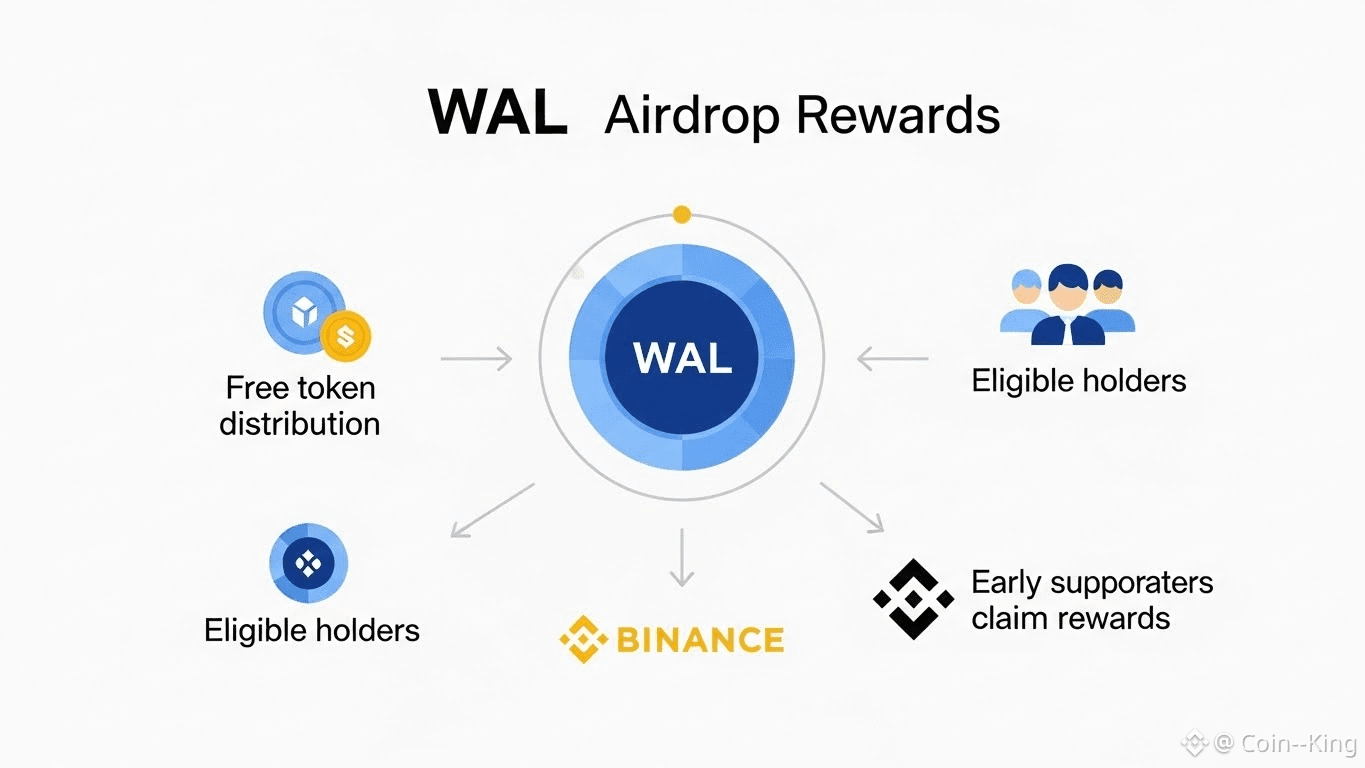
So what exactly are airdrops, and why should WAL holders care? Airdrops are free distributions of tokens to eligible users, and projects often use them as a strategy to grow community adoption. For Walrus, these rewards weren’t random; they were tied to activity on Binance’s Earn and on‑chain yields products, giving early supporters a chance to claim a portion of WAL.
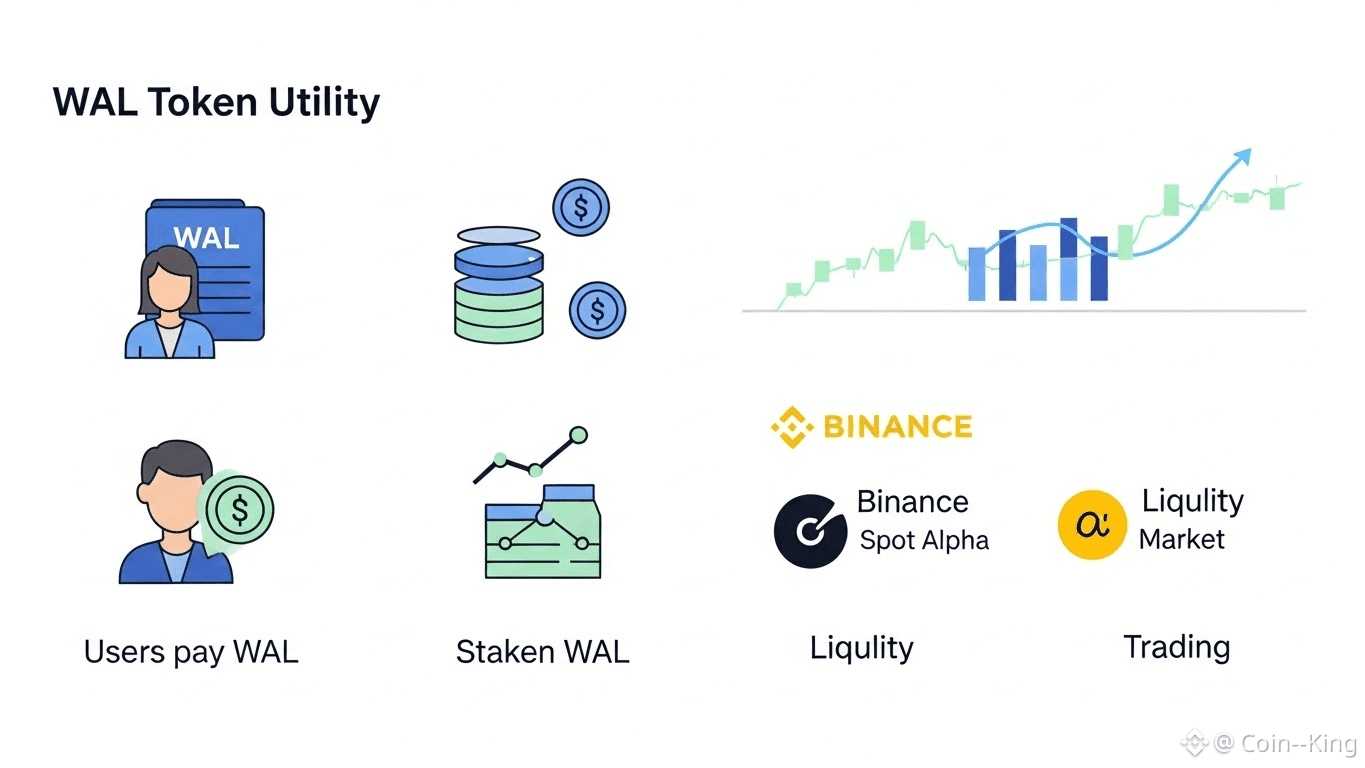
The WAL token itself plays important roles in the network. Users use it to pay for data storage, stake it to secure the system, and vote on governance decisions that shape the future of the protocol. That makes holding WAL more than just speculative it’s a way to participate in how the network evolves.
For Binance users, the listing of WAL on both Spot and Alpha markets means better liquidity, easier access via major trading pairs, and the chance to earn rewards while building stronger long term interest in the token.
In summary, airdrop rewards can help bring attention to Walrus, but understanding the underlying tokenomics and real utility helps holders evaluate why WAL might matter beyond hype.
@Walrus 🦭/acc | #Walrus | $WAL

