
Plasma ($XPL) is not trying to win the market through volume, slogans, or short-term excitement. Its recent direction makes one thing clear: the priority is infrastructure that works under real conditions, not narratives that work for a few news cycles. Every visible update points toward the same objective — strengthening the network’s core so it can scale without compromising efficiency or reliability.
At its foundation, Plasma is refining how its network handles throughput and operational load. This is not cosmetic development. Improving transaction handling, optimizing internal mechanics, and tightening network coordination are the kinds of changes that only matter once users, applications, and value start interacting with the system at scale. Plasma is preparing for that phase rather than reacting to it later.
What stands out is the discipline in how Plasma evolves. Instead of fragmenting focus across unrelated features, development remains tightly aligned with performance, stability, and usability. These are unglamorous priorities, but they define whether a protocol can sustain long-term adoption. Plasma appears to understand that scalability is not a marketing claim — it is a continuous engineering process.
The role of $XPL within this structure is also becoming clearer. It is positioned as a functional component of the network’s operation rather than a speculative centerpiece. This approach reduces friction between infrastructure growth and economic design, allowing the network to mature without forcing artificial demand. In practical terms, this strengthens confidence in the system’s internal logic.
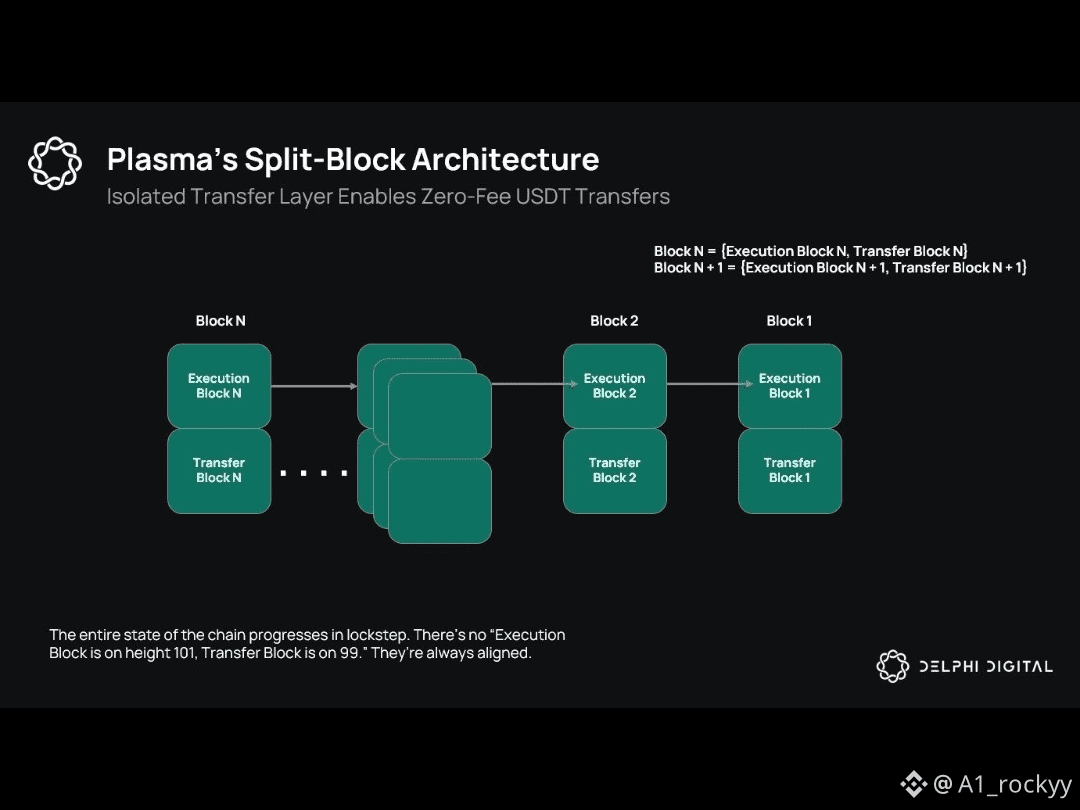
Another important signal is Plasma’s communication style. Updates are measured, specific, and grounded in what is actually being built. There is no attempt to inflate timelines or exaggerate impact. That restraint suggests internal clarity: the team knows what stage the protocol is in and is building accordingly.
In a market where many projects attempt to scale visibility before scaling systems, Plasma is moving in the opposite direction. It is reinforcing the base layer, tightening performance, and preparing for real usage before pushing for broader attention. This is slower, but it is structurally sound.
Plasma’s current trajectory does not aim to impress quickly. It aims to last. If the network continues prioritizing execution, efficiency, and infrastructure-first development, $XPL’s relevance will be driven by utility rather than hype — and that is the kind of foundation serious ecosystems are built on.

