

Dusk has never tried to win attention through speed claims or short-term hype. Its strategy has been consistent from the start: build a blockchain that can support real financial markets while respecting privacy, regulation, and legal reality. In an industry still dominated by permissionless experimentation, Dusk is deliberately operating at the intersection where institutions, compliance, and decentralization meet.
Recent updates and ongoing development confirm that this direction has not changed. Dusk’s core focus remains confidential smart contracts, selective disclosure, and infrastructure designed for regulated assets rather than speculative primitives. This positioning is becoming increasingly relevant as more traditional financial players explore tokenization but hesitate due to transparency risks on public blockchains.
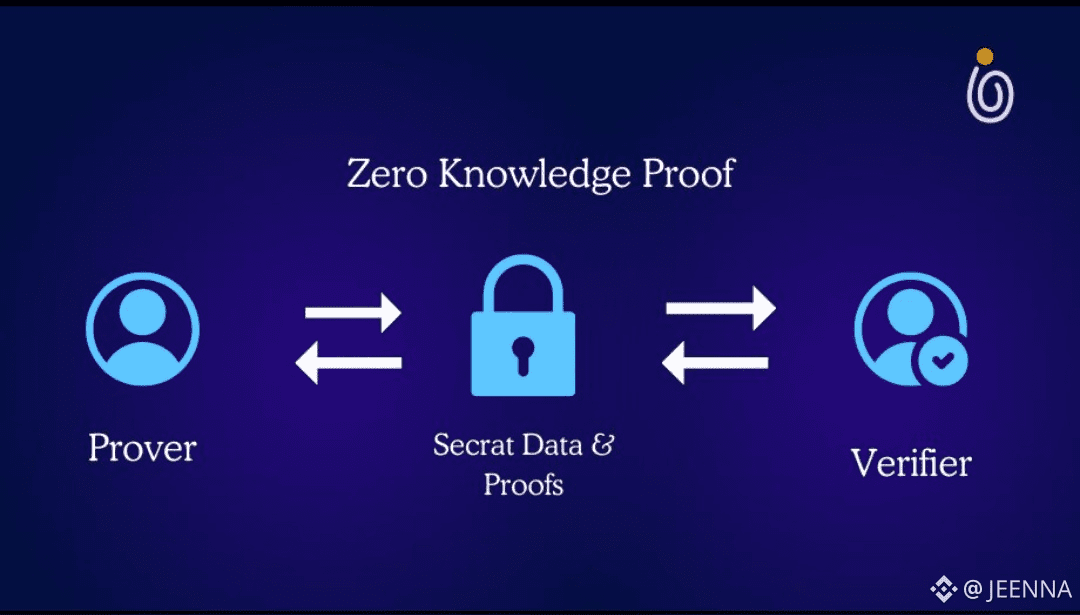
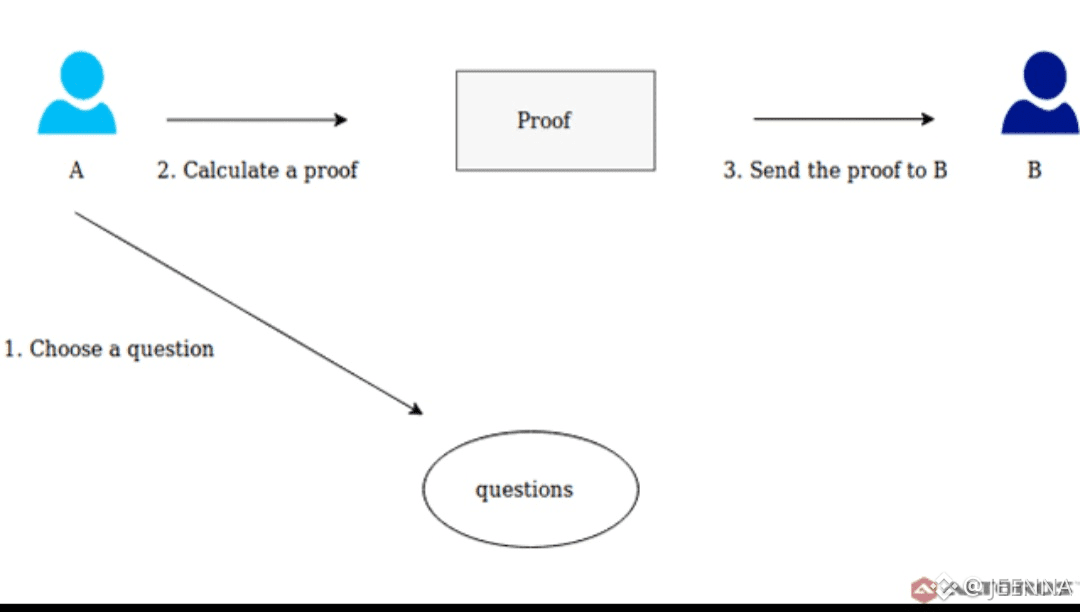
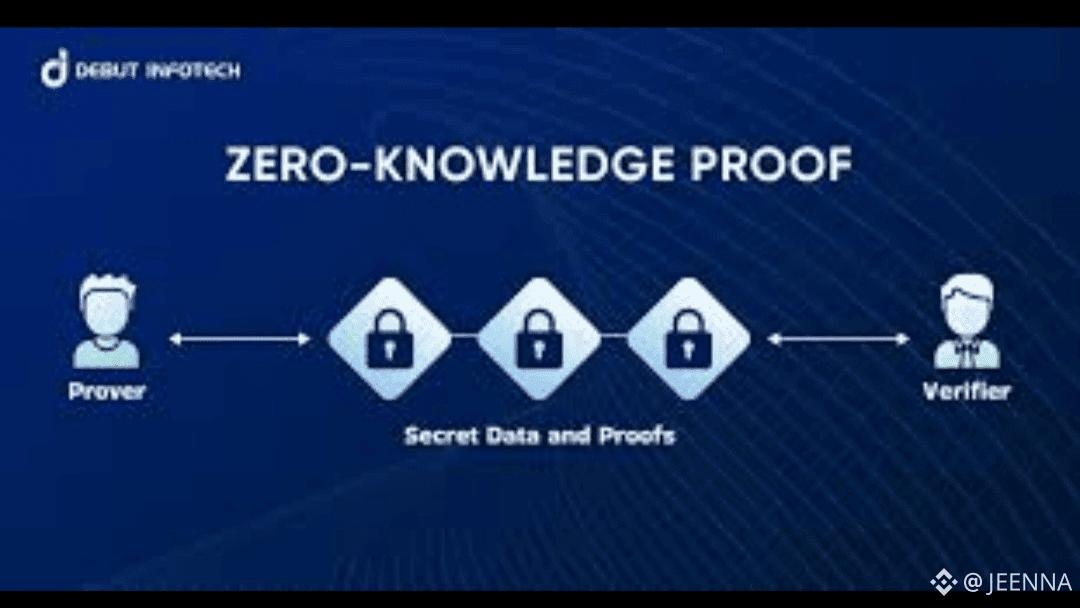
At the protocol level, Dusk continues to refine its zero-knowledge architecture. Privacy on Dusk is not cosmetic. Transactions, balances, and contract states can remain confidential while still being verifiable by the network. This matters because most financial instruments cannot operate on fully transparent ledgers without exposing sensitive commercial data. Dusk’s approach allows participants to prove compliance without revealing underlying information, which is a fundamental requirement for regulated markets.
One of the most important aspects of Dusk’s recent progress is its work on Citadel and related compliance primitives. Rather than treating regulation as an external constraint, Dusk embeds it directly into the protocol design. Features like identity-aware contracts, confidential asset issuance, and permissioned participation layers allow issuers to meet legal requirements without sacrificing decentralization at the base layer. This is not about restricting users; it is about enabling markets that otherwise cannot exist on-chain.
Dusk’s real-world asset (RWA) focus is another area where momentum continues to build. Tokenizing equities, debt instruments, and structured products requires more than smart contracts. It requires privacy, controlled access, and enforceable rules. Dusk’s infrastructure is explicitly designed for these use cases. Instead of retrofitting compliance onto a permissionless chain, Dusk starts with the assumption that regulated assets need regulated logic, even when settled on decentralized infrastructure.
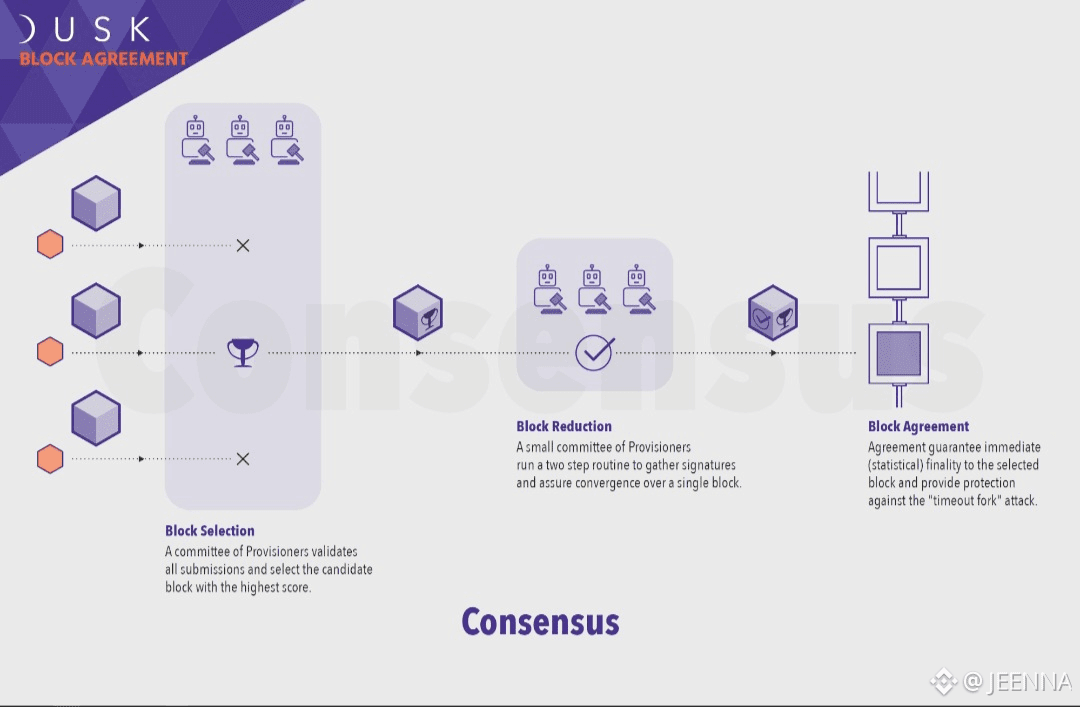
Network-level improvements have also been a priority. Validator performance, staking mechanics, and network resilience have been steadily upgraded to support long-term stability rather than short-term throughput benchmarks. This reflects a mature understanding of the audience Dusk is building for. Institutions do not optimize for novelty; they optimize for reliability, predictability, and governance clarity. Dusk’s validator model and consensus upgrades are aligned with that expectation.
The DUSK token itself plays a functional role in this system. It is used for staking, securing the network, and participating in governance. While market activity around the token fluctuates like any other asset, the protocol does not rely on aggressive token incentives to drive usage. Adoption is expected to come from infrastructure demand, not emissions. This distinction is critical when evaluating long-term sustainability.
Another notable development is Dusk’s continued emphasis on developer tooling. Building confidential applications is inherently more complex than deploying transparent smart contracts. Dusk has been investing in documentation, SDKs, and frameworks that lower this barrier. The goal is not to attract thousands of experimental dApps, but to enable a smaller number of serious applications that require privacy by design.
What makes Dusk particularly compelling at this stage is timing. Regulatory clarity around digital assets is slowly improving across multiple jurisdictions. At the same time, institutions are increasingly comfortable with blockchain settlement but remain concerned about data exposure. Dusk sits directly in this gap. It does not ask TradFi to compromise on compliance, nor does it abandon decentralization to achieve it.
Importantly, Dusk’s progress often appears understated because it does not translate easily into flashy metrics. Privacy infrastructure rarely produces viral dashboards. Its success is measured in adoption by entities that move quietly, build slowly, and operate at scale. That is precisely the audience Dusk seems to be targeting.
Looking forward, the key question is not whether privacy will matter, but where it will be implemented correctly. Many chains claim privacy as a feature. Few design it as a foundation for regulated finance. Dusk’s recent updates and steady execution suggest that it is less interested in winning narratives and more focused on becoming indispensable infrastructure.
In a market that frequently confuses visibility with value, Dusk is taking the opposite path. It is building the rails for a future where financial activity can move on-chain without becoming public spectacle. If regulated finance is going to settle on blockchain infrastructure, it will require exactly the kind of quiet, deliberate engineering that Dusk continues to deliver.