🧾
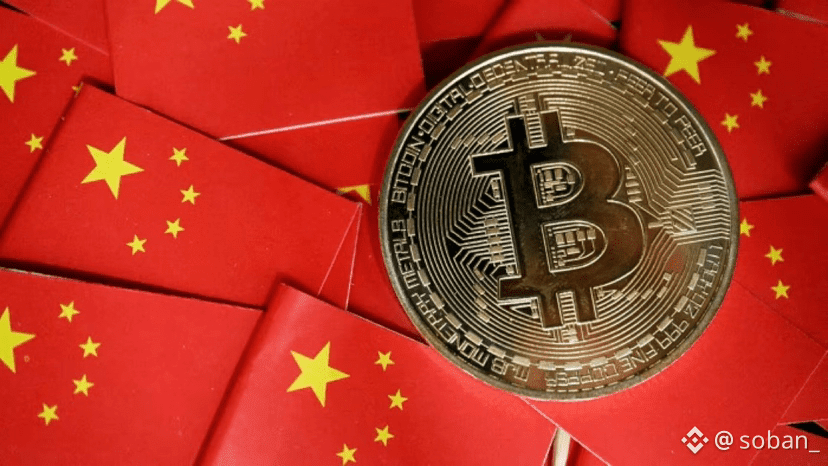
Here’s what’s actually going on with China and crypto — correcting misinformation that China has “just banned Bitcoin ownership” again:
🧠 China DID NOT Officially Announce a New Bitcoin Ownership Ban
Despite widespread social media chatter claiming China just banned ownership of Bitcoin and all cryptocurrencies again, no official Chinese regulator has published a new law or policy in 2026 that explicitly bans individual ownership of Bitcoin. Some previous reports that circulated were rumors, misinterpretations, or repeated references to older policy actions, not fresh legislation. (Forbes)
🇨🇳 What China Really Has in Place (Confirmed)
China’s crypto policy has been extremely restrictive for years:
✔ Trading & Exchanges:
All cryptocurrency trading is illegal on the mainland.
Foreign exchanges cannot legally serve mainland Chinese residents.
Banks, payment providers, and financial institutions are barred from crypto services. (Finance Magnates)
✔ Mining & Transactions:
China effectively banned crypto mining and transactional services starting in 2021.
Despite the ban, mining activity has rebounded underground, and China now accounts for a significant portion (~14%) of global Bitcoin hashrate again. (Investing.com)
✔ PBOC & Enforcement:
The People’s Bank of China (PBoC) has reaffirmed its strict crypto ban in multiple 2025–2026 statements, warning of risks, illegal operations, and enforcing compliance with anti-money-laundering laws. (BusinessToday)
✔ Stablecoins & RWA Tokens:
Stablecoins are flagged as high-risk, and authorities have stopped private issuance efforts, even in Hong Kong. (Wikipedia)
⚖️ Is Bitcoin Ownership LEGAL or Illegal in China?
This is where nuance matters:
📌 Cryptocurrencies remain not recognised as legal tender in China — PBoC has made that very clear. (MEXC)
📌 Trading, exchanges, and financial services involving crypto are illegal. (Finance Magnates)
📌 Ownership itself is not definitively banned by a new 2026 law, and some legal interpretations (including past courts) have suggested crypto could be treated as property — though this is not the official regulatory stance. (Pintu)
👉 Bottom line: Individuals holding crypto privately isn’t being criminalised in a new law, but all market activity around it remains suppressed.
📉 Why China Is So Hostile to Crypto
China’s ongoing crackdown is driven by a few core policy priorities:
1. Monetary control & capital flow restrictions
Officials see decentralized, unregulated crypto assets as threats to the yuan and to China’s capital controls.
2. Financial risk management
China emphasizes preventing fraud, money laundering, and speculative bubbles tied to digital assets.
3. CBDC focus
The government is pushing digital yuan (e-CNY) adoption and sees it as the compliant future of digital finance. (Finance Magnates)
📊 Global Market Impact & Binance Relevance
Even with China’s continued strict stance:
Bitcoin and global crypto markets operate largely outside China.
Rumours of bans historically trigger short-term volatility — but prices have tended to bounce back. (Forbes)
Binance and other exchanges continue to serve global users — regulation in a single jurisdiction does not change Bitcoin’s decentralized nature.
Important: Mistaking regulatory tightening for total ownership prohibition can cause unnecessary fear, uncertainty, and doubt (FUD) in markets.
📌 Summary: China’s Crypto Position as of Jan 2026
✔ Crypto trading & transactional services: Illegal
✔ Stablecoins & tokenisation: Cracked down / restricted
✔ Mining: Banned but resurging underground
✔ Bitcoin ownership by individuals: Not officially banned under a fresh law
✔ Central bank digital yuan: Priority for adoption
#MarketRebound #CPIWatch #BTCVSGOLD #ChinaCrypto