
Introduction
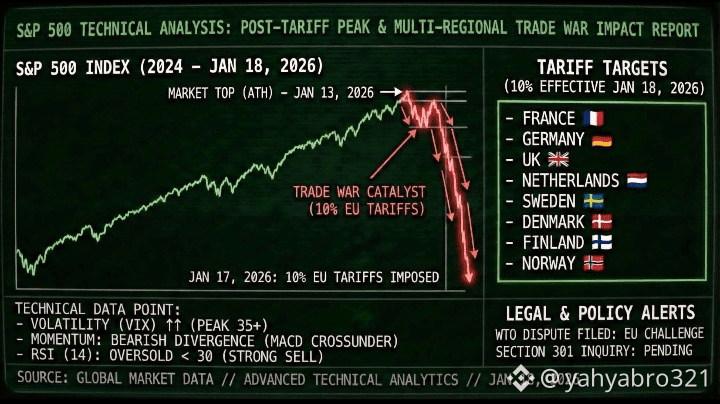
Whenever tariffs enter the political or economic conversation, markets don’t wait for results—they react instantly. Whether tariffs are announced, delayed, increased, reduced, or completely removed, financial markets feel the impact. This is because tariffs are not just trade tools; they are signals of economic direction, geopolitical tension, and future inflation.
In simple terms: tariffs create uncertainty, and markets hate uncertainty.
What Are Tariffs & Why Do They Matter?
Tariffs are taxes imposed on imported goods. Governments use them to:
Protect local industries
Pressure other countries in trade negotiations
Reduce trade deficits
Gain political leverage
But in reality, tariffs shift costs, disrupt supply chains, and change capital flows across global markets.
Why Markets React Regardless of the Outcome
1. Announcement Phase: Fear Enters the Market
The moment tariffs are discussed, markets start pricing in risk:
Stocks face selling pressure
Risk assets (crypto, growth stocks) turn volatile
Safe havens (gold, USD, bonds) often gain
Even before implementation, speculation alone causes volatility.
2. If Tariffs Are Implement
When tariffs actually hit:
Costs rise for businesses
Inflation risk increases
Consumer demand weakens
Stock Markets: Manufacturing, tech, and global trade stocks suffer
Inflation Assets: Gold, commodities, and sometimes Bitcoin gain attention
Emerging Markets: Capital often flows out due to risk aversion
Crypto markets often see short-term panic followed by long-term narrative strength (de-dollarization, hedge against policy risk).
3. If Tariffs Are Reduced or Removed
Sounds bullish, right? Not always.
When tariffs are rolled back:
Markets question why they were removed
Was the economy slowing?
Was inflation already damaging growth?
This often causes:
Relief rallies (short-term)
Followed by reassessment and correction
Markets don’t just price policy—they price intent and weakness.
4. Impact on Central Banks
Tariffs complicate monetary policy:
Higher tariffs = higher inflation
Central banks may delay rate cuts or stay hawkish
This directly impacts:
Equities (pressure from higher rates)
Crypto (liquidity-driven cycles)
Forex markets (currency volatility)
Even if tariffs fail or are symbolic, central banks still react.
Why Crypto Can’t Escape Tariff Effects
Crypto markets are global and liquidity-driven:
Risk-off sentiment hurts altcoins first
Bitcoin often acts as a macro hedge
Stablecoin demand rises during uncertainty
Tariffs push narratives like:
De-globalization
De-dollarization
Financial sovereignty
This can be bearish short-term, bullish long-term for crypto.
The Key Truth: Markets Trade Expectations, Not Results
Markets don’t wait for outcomes:
They price rumors
They react to tone
They move on positioning
By the time tariffs are officially decided, the first move is already over.
Final Thoughts
Tariffs will hit the market no matter the outcome because:
Announcement = volatility
Implementation = inflation fear
Removal = economic concern
For investors and traders, the real edge is understanding market psychology, not just policy headlines.
In uncertain policy environments, volatility isn’t a risk — it’s the signal.
