
$BTC The U.S. Supreme Court is expected to issue a major ruling soon (possibly today) on the legality of President Trump’s sweeping tariffs — particularly those imposed using emergency powers under the International Emergency Economic Powers Act (IEEPA).


The court’s decision could invalidate or limit the president’s use of IEEPA to impose broad tariffs on imports — a cornerstone of Trump’s trade policy.
Justices appeared skeptical of the legal grounding for such tariffs during oral arguments, as lower courts already struck down similar measures.
📉 Why It Matters
If the Supreme Court rules the tariffs unlawful:
Imported goods could become cheaper as tariffs are rescinded or limited.
U.S. companies and importers might seek billions in refunds for duties already paid.
Markets could react strongly due to reduced trade costs and uncertainty.
If the court upholds them:
The current tariff regime stays intact — potentially reinforcing protectionist trade policy.
Trump’s administration might keep using emergency powers to impose duties.
📊 Broader Impact
International markets and exporters (e.g., in Asia) are watching closely, as changes could affect global supply chains and competitiveness.
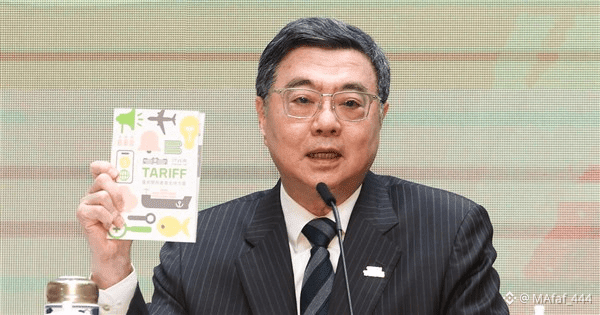
Taiwan and other trade partners are concerned about uncertainty if the tariffs are struck down.
The ruling could reshape how far presidents can go on trade without Congress.
📌 Quick Summary
ScenarioImmediate EffectCourt strikes down tariffsLower import costs → refund claims → legal & market ripple effectsCourt upholds tariffsStronger executive trade power → continued protectionist policyMixed rulingSome tariffs stay, some struck down → ongoing uncertainty