
Plasma XPL’s Take on Throughput and Latency
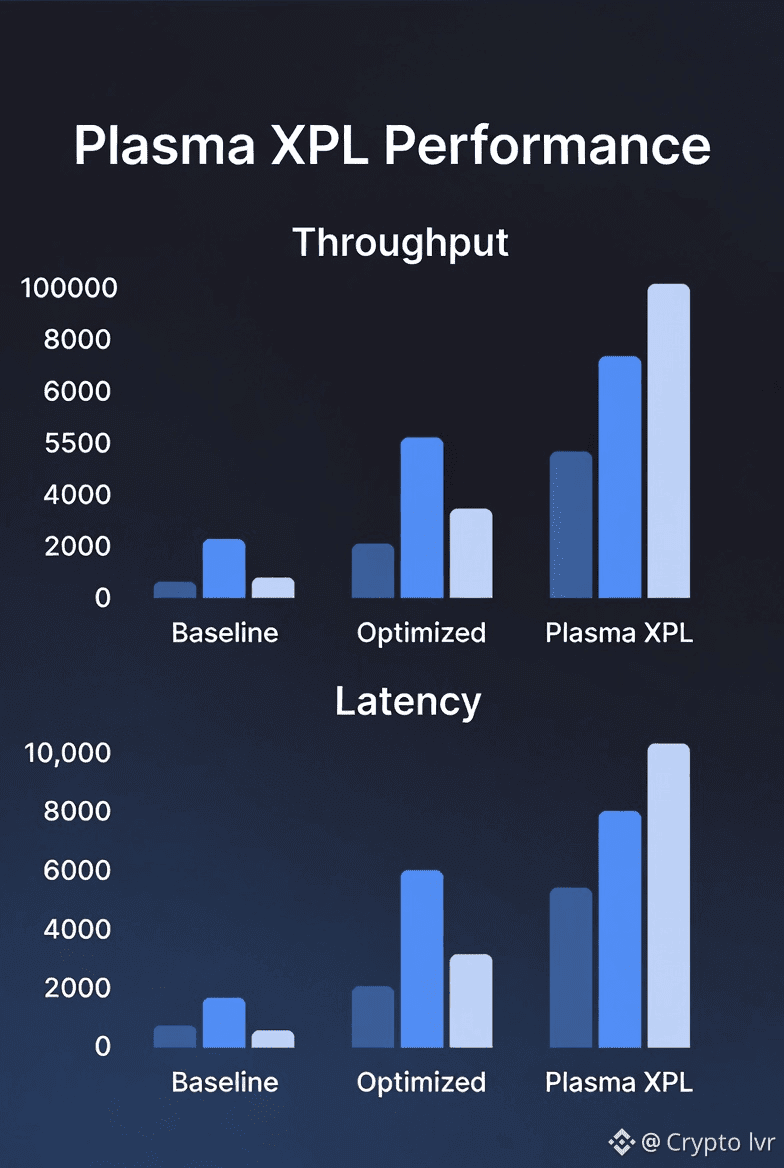
Plasma XPL is a Layer-1 blockchain built specifically for stablecoin transactions. The team set out to solve one of blockchain’s oldest headaches: how do you get high throughput and low latency without giving up security? Most blockchains run into this wall—the “blockchain trilemma.” If you make things faster, you usually have to compromise on either decentralization or safety. Plasma’s design, especially its approach to throughput and latency, goes straight at this problem. It’s really tuned for stablecoins and payment rails, where speed and low costs are everything.
1. Custom Consensus: PlasmaBFT
The engine behind Plasma’s performance is its own consensus protocol, PlasmaBFT. It’s a twist on Byzantine Fault Tolerance, inspired by Fast HotStuff (which itself is an upgrade on classic HotStuff). The point? Lower communication overhead and much faster finality.
Old-school blockchains like Ethereum make nodes talk back and forth a lot before they agree on anything. All that chatter slows down throughput and makes users wait. PlasmaBFT fixes this by letting the proposal, voting, and commit steps run in parallel. So, while one block is getting finalized, the next block is already in the pipeline. It’s a big speed boost—Plasma can process way more transactions per second this way.
Because validators combine their signatures into these things called Quorum Certificates (QCs), and thanks to pipelining, Plasma hits sub-second finality and keeps transaction rates high. At launch, they said they could do over 1,000 TPS with block times under a second. Real-world numbers have bounced around since then, but the architecture is clearly built for speed.
This whole setup is laser-focused on stablecoin payments—think lots of small, quick transfers. PlasmaBFT’s deterministic finality and fast block times really cut down on delays.
2. Fast EVM Execution Layer
Consensus is only half the story. Plasma’s execution layer is built for speed, too. They use Reth, a high-performance, modular Ethereum Virtual Machine (EVM) written in Rust.
This matters because a lot of fast blockchains ditch EVM compatibility to hit those speeds. Plasma doesn’t. Developers can deploy their existing Solidity contracts without rewriting them and still get the benefits of a snappy, optimized runtime. So, smart contracts run fast, latency stays low for users (like when using DeFi apps or wallets), and the execution layer doesn’t become a bottleneck like you see on slower chains.
Paired with PlasmaBFT, the network can handle heavy traffic and still settle transactions fast—a big deal for payment systems.
3. Chasing Down Latency
For payments, latency is everything. People want to know their transaction is locked in and can’t be reversed—fast. Plasma goes for deterministic finality: once a transaction makes it into a block and enough validators sign off, it’s final.
Sub-second block times keep the network zippy. Pipelined BFT rounds shave off even more lag. Quorum Certificates give users strong proof that a block is legit, so you don’t have to wait for a bunch of extra confirmations.
This low-latency design is perfect for real-time payments, lending, or even retail checkout—anywhere you need instant settlement.
4. Security Anchored to Bitcoin
Plasma brings in a hybrid security model by anchoring its state to the Bitcoin blockchain. Basically, it uses Bitcoin’s security as a backstop, without letting Bitcoin’s slow speeds drag it down.
Here’s the trick: Plasma runs its own fast consensus for daily operations. Every so often, it logs snapshots of its state to Bitcoin. That way, you get Bitcoin’s long-term immutability and security, but Plasma keeps humming along at high speed in the short term.
5. Zero Fees, Gas Abstraction, and User Experience
On top of all that, Plasma changes how users pay for transactions. Usually, blockchains make you use a native token for gas. Plasma lets stablecoin users—say, folks holding USDT—send basic transfers with zero fees, thanks to a paymaster system that covers the costs.
This doesn’t boost the raw technical throughput, but it does make things smoother for users. Less friction, no need to juggle extra tokens—just fast, cheap payments.
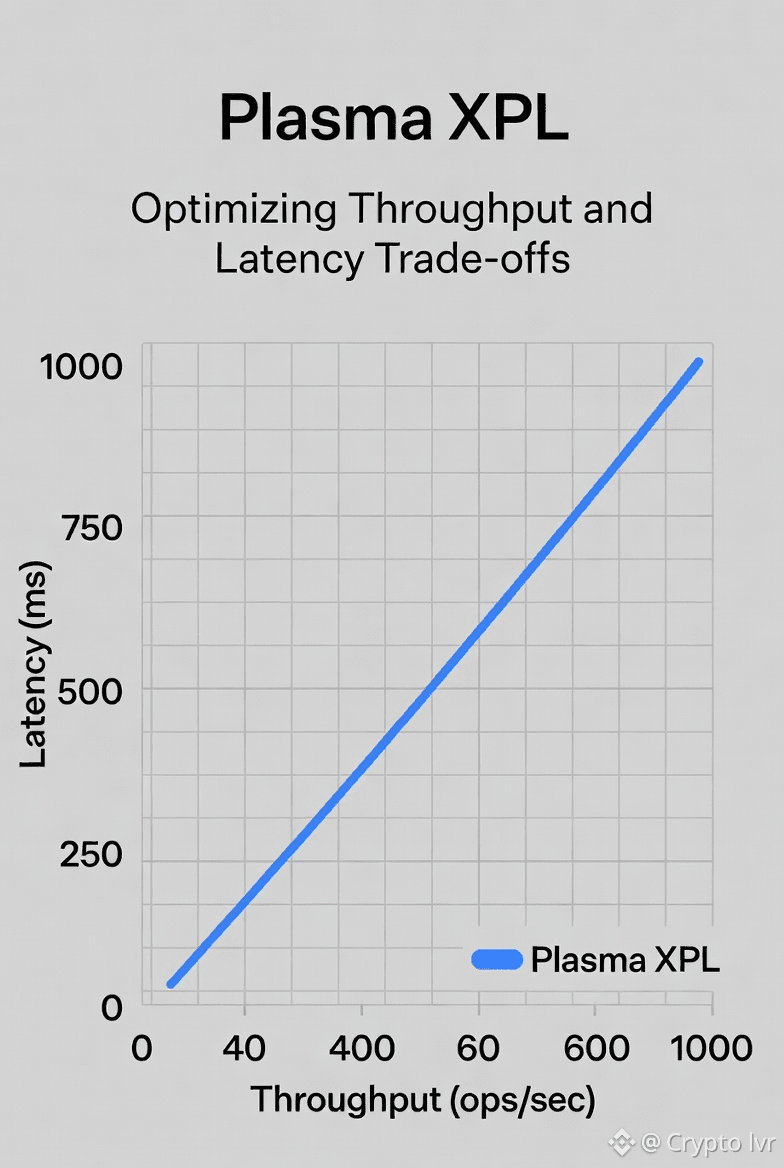
In short, Plasma XPL’s whole architecture is built for fast, secure, low-cost stablecoin transactions. Whether it’s the consensus engine, the smart contract layer, or how users pay fees, every part of the system is tuned for speed and reliability where it matters most.@Plasma #Plasma $XPL

