
Blockchain finance is rapidly evolving from an experimental frontier into the foundation of next-generation financial infrastructure. Among the most transformative developments are stablecoins and security tokens, both of which serve as bridges between traditional finance and decentralized networks. Stablecoins bring fiat currencies onto the blockchain for payments and settlement, while security tokens represent real-world assets such as stocks, bonds, real estate, and investment funds in digital form. Yet despite growing demand, most existing blockchains were not designed to meet the strict requirements of regulated financial markets. They struggle with privacy, compliance enforcement, institutional security, and scalable settlement. This is precisely where Dusk Network distinguishes itself — not as a general-purpose blockchain, but as a purpose-built infrastructure for regulated digital assets, making it exceptionally well-suited for stablecoin and security token ecosystems.
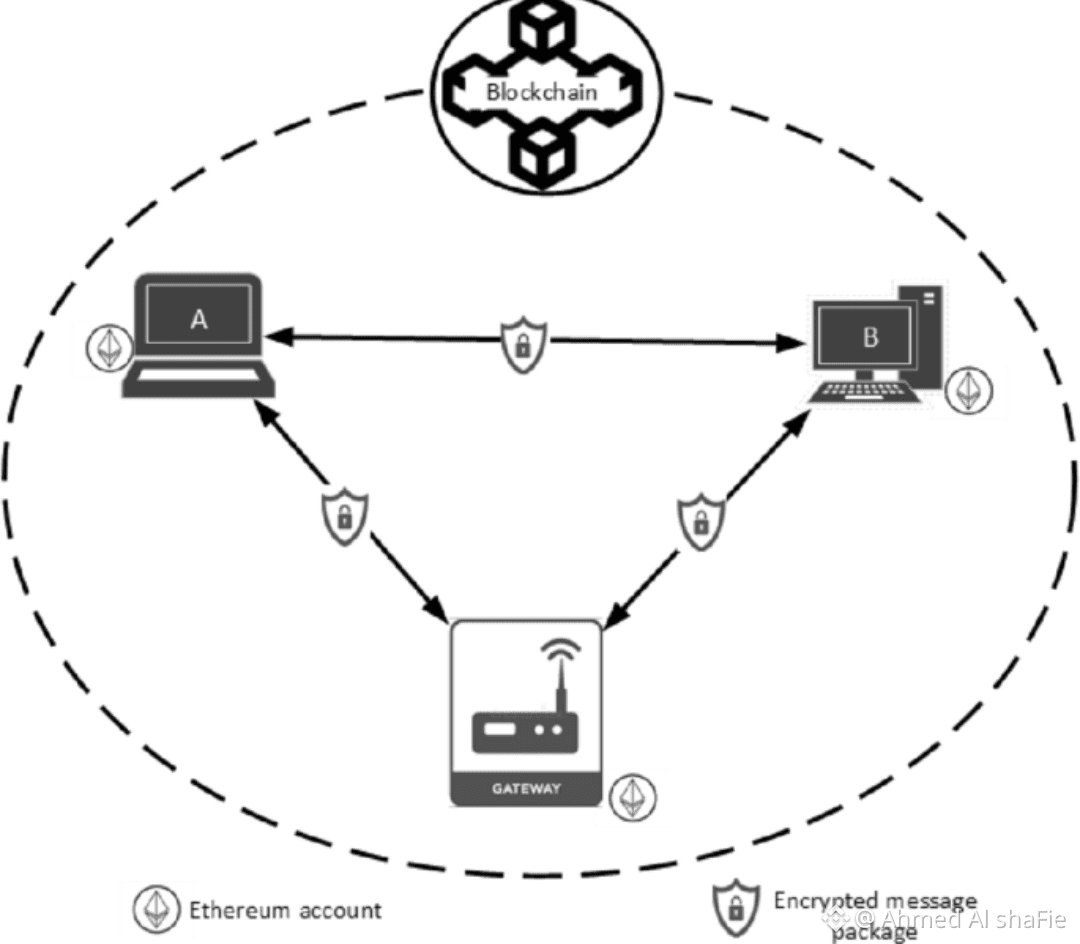
At the core of Dusk’s design is zero-knowledge cryptography, which enables private and verifiable transactions simultaneously. In traditional financial systems, confidentiality is essential; businesses, banks, and institutions cannot expose transaction histories, account balances, or shareholder identities to the public. Most blockchains, however, make all activity transparent by default. Dusk resolves this conflict by allowing transactions to remain confidential while still being provably valid. This means stablecoin transfers can occur without revealing sensitive financial data, and security token ownership can remain private while remaining compliant with audit and regulatory requirements. This balance between privacy and verifiability is fundamental to institutional adoption.
Equally important is Dusk’s approach to compliance. Rather than resisting regulation, Dusk embraces it through programmable compliance features built directly into smart contracts. Issuers of stablecoins can enforce KYC and AML conditions, while security token issuers can implement jurisdiction restrictions, investor whitelists, lock-up periods, and transfer limitations. This ensures that digital assets on Dusk behave in alignment with legal frameworks across different regions. Instead of relying on off-chain intermediaries or manual enforcement, compliance becomes an automated, on-chain function — reducing costs, minimizing risk, and increasing trust for regulators and market participants alike.
Speed and cost efficiency also play a vital role in financial use cases. Payment stablecoins require near-instant settlement and minimal fees to be viable for everyday transactions and cross-border transfers. Security tokens require fast and final settlement to compete with traditional clearing systems. Dusk’s consensus mechanism delivers rapid finality, low transaction costs, and energy efficiency, creating a network capable of supporting high transaction volumes without compromising decentralization or security. This performance foundation allows stablecoins to function as real payment instruments and security tokens to operate as true on-chain financial products rather than experimental prototypes.

Another defining advantage of Dusk is its support for confidential smart contracts. In financial markets, many activities must remain private: dividend distributions, OTC trades, corporate governance voting, and shareholder records. On most blockchains, such information becomes publicly visible, which is unacceptable for institutional actors. Dusk’s confidential smart contract environment allows these operations to take place privately while maintaining cryptographic integrity. This enables the creation of tokenized capital markets that mirror real-world financial confidentiality standards, something no conventional public blockchain infrastructure can offer natively.
Within this ecosystem, the $DUSK token functions as the economic engine that sustains network security and activity. It is used for transaction fees, validator staking, governance participation, and operational incentives. As stablecoins and security tokens generate transaction volume and institutional adoption grows, demand for the DUSK token naturally increases. This creates a circular value model where real-world financial usage directly strengthens the network’s economic foundation.
The broader market trend further reinforces @Dusk ’s relevance. Governments and regulators worldwide are developing frameworks for stablecoin supervision and tokenized securities issuance. Financial institutions are actively exploring blockchain settlement systems and digital asset custody solutions. The industry is moving beyond speculative crypto trading toward real asset tokenization and compliant digital finance. Dusk arrives at this moment with an architecture designed specifically for these emerging needs, positioning it not as a competitor to general-purpose blockchains, but as specialized infrastructure for financial-grade applications.
In essence, @Dusk Network provides what stablecoin issuers and security token platforms have long required but rarely found in blockchain technology: privacy without opacity, compliance without centralization, scalability without sacrificing security, and decentralization without regulatory conflict. By merging zero-knowledge privacy, native compliance, confidential smart contracts, and efficient consensus into a single Layer-1 network, Dusk creates an environment where regulated digital assets can thrive at institutional scale.
As the world steadily transitions toward tokenized finance, the networks that succeed will be those capable of meeting real-world financial standards rather than purely experimental ideals. Dusk stands out as a blockchain engineered for that reality — a foundation where stablecoins operate like digital cash and security tokens function like next-generation financial instruments, all within a secure, private, and compliant decentralized ecosystem. @Dusk $DUSK #Dusk