
As blockchain infrastructure matures into a serious contender for global financial rails, a new generation of purpose-built networks is emerging—chains that no longer try to be everything for everyone, but instead focus on doing one critical job exceptionally well. Plasma ($XPL) belongs firmly in this category.
Plasma is not positioning itself as just another smart contract Layer-1. Instead, it is being built as a stablecoin-native settlement network, engineered from the ground up to become the default blockchain for dollar-denominated value transfer. Its vision is simple but powerful: make stablecoins function like real digital money at global scale—fast, cheap, reliable, and institution-ready.
This strategic focus places Plasma at the intersection of crypto infrastructure, global payments, and the expanding stablecoin economy, which is increasingly being used for cross-border trade, remittances, payroll, treasury management, and on-chain finance.
1) The Core Thesis: Stablecoins as the Internet’s Money Layer
Plasma’s foundational idea is that stablecoins are no longer niche crypto assets. They are evolving into a parallel financial system for the digital economy—serving users who need frictionless access to dollars without relying on slow, expensive, and exclusionary banking infrastructure.
Where most blockchains treat stablecoins as just another token type, Plasma flips the model. It treats stablecoins—especially USDT and similar dollar-pegged assets—as first-class citizens. This means:
The base layer is optimized specifically for stablecoin transfers
Fees are designed to be near-zero for simple dollar transactions
Performance is tuned for high-frequency settlement
Network economics are structured around real financial usage, not speculative congestion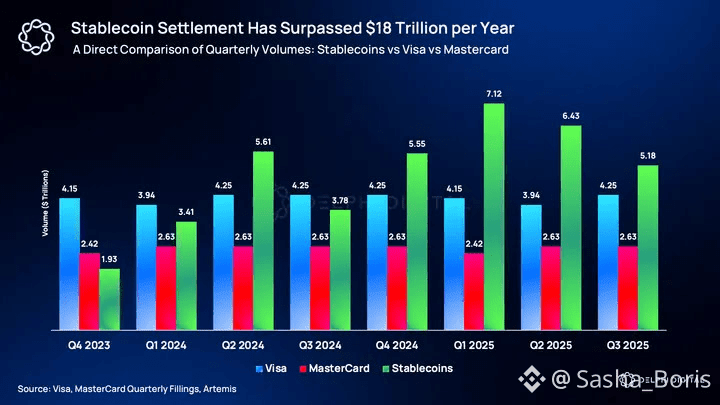
In practical terms, Plasma aims to become the on-chain equivalent of a global dollar clearinghouse, allowing billions of dollars to move daily with minimal friction.
2) Why Plasma Exists: The Problem with General-Purpose Blockchains
Plasma was designed in response to very real limitations in existing blockchain infrastructure.
On most general-purpose chains:
Transaction fees fluctuate wildly during network congestion
Settlement times can spike during demand surges
Stablecoin transfers compete with NFTs, meme coins, and arbitrage bots for block space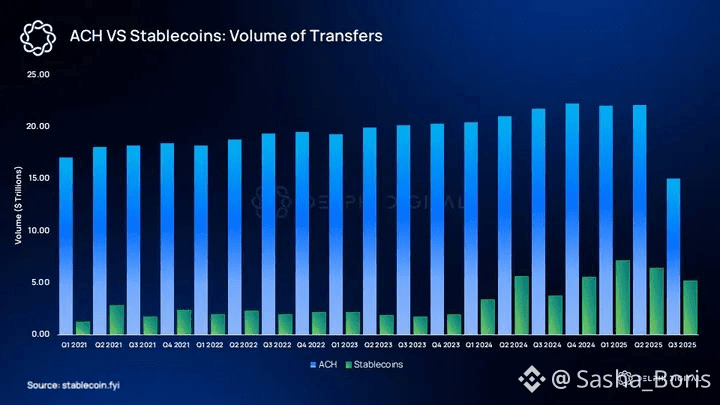
Users experience unpredictable costs for simple payments
Institutions struggle to build predictable financial products
These issues make traditional chains poorly suited for high-volume, low-margin financial flows, such as remittances, payroll, merchant settlements, and treasury transfers.
Plasma’s design removes this friction by isolating and prioritizing stablecoin activity at the base layer. Instead of competing with speculative traffic, stablecoin users operate in a network environment purpose-built for consistent performance and cost predictability.
3) Network Architecture: Built for Throughput, Finality, and Cost Stability
Plasma’s technical stack reflects its financial mission. Every major architectural choice is designed around speed, scale, and efficiency.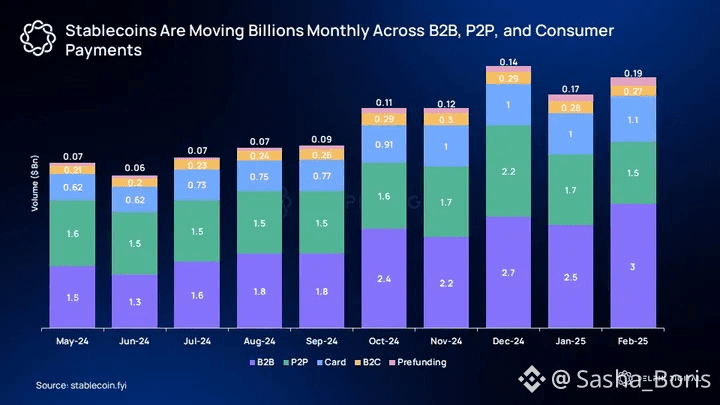
High Throughput Execution Layer
The network is engineered to process thousands of transactions per second, enabling it to support large-scale payment flows, exchange settlement activity, and enterprise treasury movement without performance degradation.
Fast Finality
Plasma targets rapid block finality to ensure transactions settle quickly and irreversibly. This is essential for financial use cases where delayed settlement increases counterparty risk and operational complexity.
Stablecoin-Optimized Fee Mechanics
Unlike traditional chains where gas fees spike under demand, Plasma’s fee model is optimized for predictable, ultra-low-cost stablecoin transfers. This makes it viable for:
Micro-transactions
Retail payments
High-volume merchant settlement
Frequent treasury rebalancing
EVM Compatibility
Plasma supports Ethereum Virtual Machine compatibility, enabling:
Direct deployment of Solidity smart contracts
Easy migration of DeFi protocols
Seamless integration with existing wallets and tooling
Lower onboarding friction for developers
This compatibility allows Plasma to grow an application ecosystem without forcing builders to learn new languages or rewrite code from scratch.
4) Native Bitcoin Interoperability: Bridging the Two Monetary Titans
One of Plasma’s most strategic features is its native Bitcoin bridge, which enables BTC to enter the Plasma ecosystem in a trust-minimized way.
This capability is critical for several reasons:
It allows Bitcoin liquidity to be used inside stablecoin-based DeFi
It enables BTC-backed stablecoin products
It supports cross-chain treasury strategies
It opens the door to hybrid financial instruments that combine Bitcoin’s store-of-value role with Plasma’s settlement efficiency
Rather than treating Bitcoin as a separate ecosystem, Plasma integrates it directly into its financial layer—positioning itself as a convergence point between on-chain dollars and on-chain digital gold.
5) XPL Token: Economic Engine of the Network
The XPL token is not an afterthought—it is a core component of Plasma’s economic and security model.
Transaction and Execution Fees
While stablecoin transfers are optimized for minimal cost, XPL is used to pay for:
Advanced smart contract execution
DeFi protocol interactions
Cross-chain operations
Complex financial logic
This ensures that network resource usage is economically balanced without burdening basic payments.
Staking and Consensus Security
Validators stake XPL to participate in block production and network consensus. This staking mechanism:
Secures the settlement layer
Aligns validator incentives with network health
Creates long-term token demand tied to usage growth
Ecosystem Incentives
XPL fuels Plasma’s growth engine by funding:
Developer grants
Liquidity incentives
User onboarding programs
Infrastructure expansion
This creates a feedback loop where rising network activity strengthens token utility, which in turn attracts more builders and capital.
Supply Structure and Sustainability
The token’s fixed maximum supply is structured to balance:
Early ecosystem bootstrapping
Long-term inflation control
Validator incentives
User adoption rewards
This avoids the excessive token emissions that have destabilized many Layer-1 economies.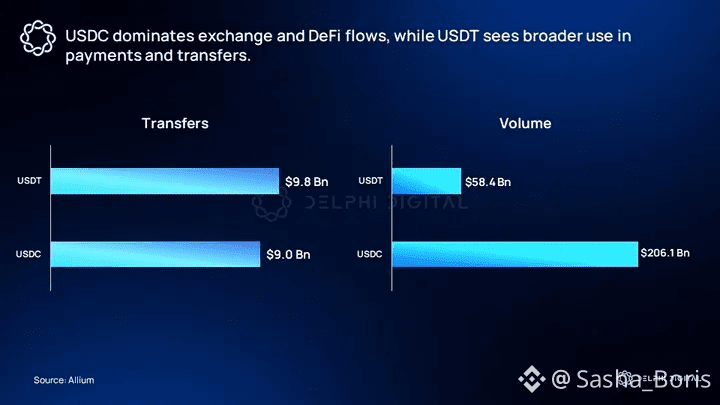
6) Launch Phase: Liquidity Surge and Early Adoption
Plasma’s mainnet beta launch marked a major milestone—and the response was immediate.
Within its initial rollout phase:
Billions of dollars in stablecoin liquidity flowed into the network
Early DeFi protocols attracted significant total value locked
Exchange integrations drove trading volume
Payment rails and wallets began onboarding users
This rapid capital inflow signaled strong market demand for a dedicated stablecoin settlement layer rather than another speculative smart contract platform.
7) Early DeFi and Financial Infrastructure Growth
Plasma’s ecosystem is expanding beyond simple transfers into a full-scale financial layer.
Key verticals already taking shape include:
Stablecoin lending and borrowing markets
Yield-generating vaults for idle capital
Cross-chain liquidity routing protocols
Merchant payment gateways
DAO treasury management tools
Institutional settlement rails
This ecosystem breadth reinforces Plasma’s positioning as a financial backbone, not just a transaction network.
8) Market Behavior: Volatility vs. Infrastructure Value
Like most newly launched Layer-1 tokens, XPL has experienced significant price volatility during its early trading life. This reflects:
Speculative trading behavior
Market uncertainty around long-term adoption
Broader crypto market conditions
Early liquidity dynamics
However, Plasma’s value proposition is fundamentally long-term and usage-driven, not hype-driven.
As stablecoin volumes grow globally, the demand for a high-performance settlement layer could rise dramatically—aligning token value with real financial throughput rather than narrative cycles.
9) Strategic Positioning: Not Competing, Specializing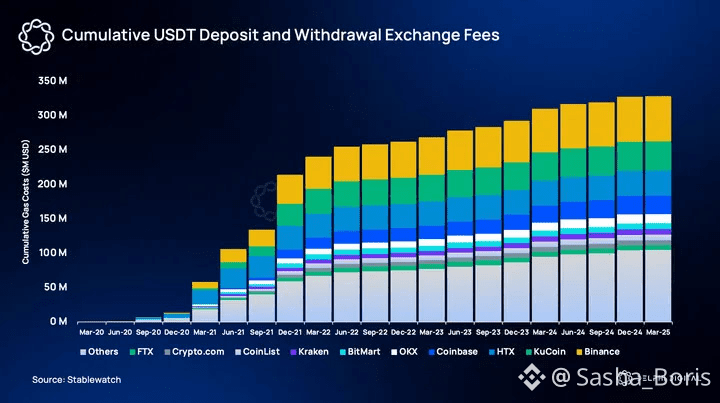
Plasma is not trying to outcompete Ethereum, Solana, or other major Layer-1s across all verticals.
Instead, it is specializing in a single, rapidly expanding niche:
Becoming the default blockchain for stablecoin settlement.
This focused strategy gives Plasma several advantages:
Clear product-market fit
Strong narrative coherence
Lower direct competition
Strong institutional appeal
Predictable infrastructure demand
By anchoring itself to real financial usage, Plasma reduces its reliance on speculative adoption waves.
10) Long-Term Vision: The Digital Dollar Backbone
Plasma’s ultimate goal is to transform stablecoins from trading tools into true global money rails.
If successful, the network could underpin:
Cross-border payroll systems
International merchant payments
On-chain trade finance
Institutional treasury operations
Government and enterprise stablecoin issuance
Consumer payment apps
In this future, Plasma would function as the invisible infrastructure layer beneath global digital commerce—handling settlement while users simply experience fast, cheap, dollar-denominated payments.
Final Outlook
Plasma ($XPL) represents a strategic evolution in blockchain design: a shift away from generic smart contract networks toward specialized financial infrastructure.
By building a stablecoin-native Layer-1 optimized for performance, predictability, and institutional readiness, Plasma is positioning itself as a core settlement engine for the next generation of digital finance.
Rather than chasing hype cycles, it is anchoring itself to a structural trend with massive long-term potential: the global adoption of stablecoins as everyday money.


