
Something new shows up. Plasma Blockchain aims at payments, built different from others. Not just quick or cheap - built so money moves like it should. Most networks talk about speed first; this one puts trust first. Real deals need clear outcomes, fast locks, safety above noise. Right in the middle lives XPL. That piece fuels activity, guards the system, keeps things going years ahead.
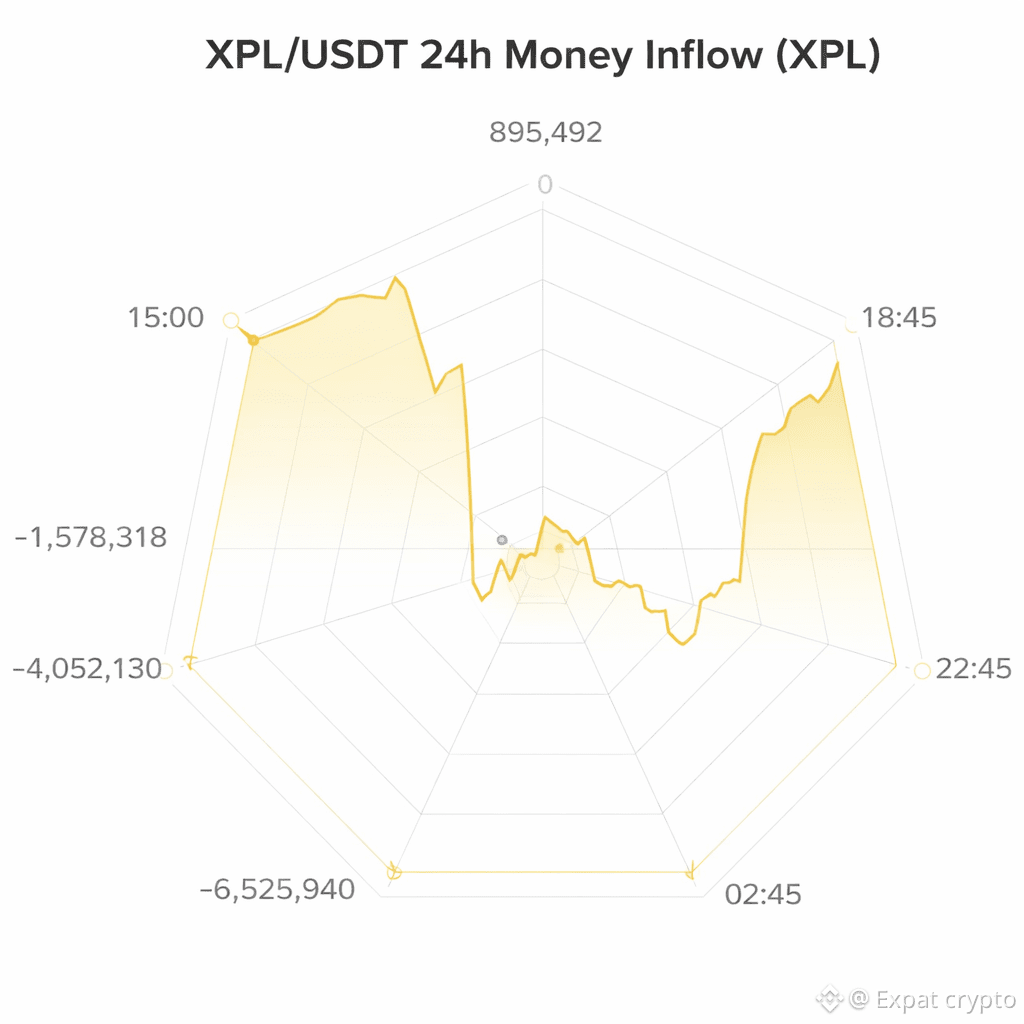
Digital cash works better when prices stay steady, so stablecoins grow more common for online spending. Still, old blockchains get clogged, take too long to confirm deals, charge random fees - slowing things down. A fresh system cuts through that noise: actions lock in fast, sometimes under ten seconds, almost guaranteed. That speed fits real world needs like sending money home, paying stores, moving value without hiccups or rollbacks. Behind it, a core token keeps the gears turning - nudging validators to play fair, aligning effort, smoothing out load across nodes. Efficiency shows up not as promise but pattern.
XPL isn’t only used to move value - it plays a core role in how Plasma’s economy works. People who run validator nodes put up XPL as collateral to help create blocks and check transactions. Because they’ve invested real tokens, their interests line up with keeping the system strong. Acting dishonestly can lead to losing part of what they’ve staked, yet doing the job well brings more XPL over time. How things are built makes sure speed and trust stay high, something vital when handling payments tied to stablecoins.
What keeps things moving? That would be XPL - it handles the work behind the scenes. Fees for each move across the system come out of XPL, keeping stablecoin exchanges quick without extra costs. Users do not get hit by surprise charges when shifting value around. The setup shields them from wild swings in fee prices yet pays for upkeep of the whole platform. More activity with stablecoins means more need for XPL, driven simply by who uses it, not just traders betting on price.
Decisions about how Plasma runs often come from people holding XPL. Whether it is changing fees, adjusting settings, or upgrading systems, owners of the token get to weigh in. Not just used for moving money, XPL becomes a tool that shapes what happens next on the network. Those who care about where things go might see value in being part of that process. As more voices join in, the whole setup grows stronger and better tuned to shared goals.
What stands out about XPL is how it fuels expansion within the network. When developers create payment apps, wallets, merchant solutions, or finance tools on Plasma, they receive incentives - grants and rewards paid in XPL. These benefits spark new ideas, tying creators closely to the chain's performance. With growing numbers of apps choosing Plasma for handling stablecoin transactions, XPL finds its way deeper into various levels of the system.
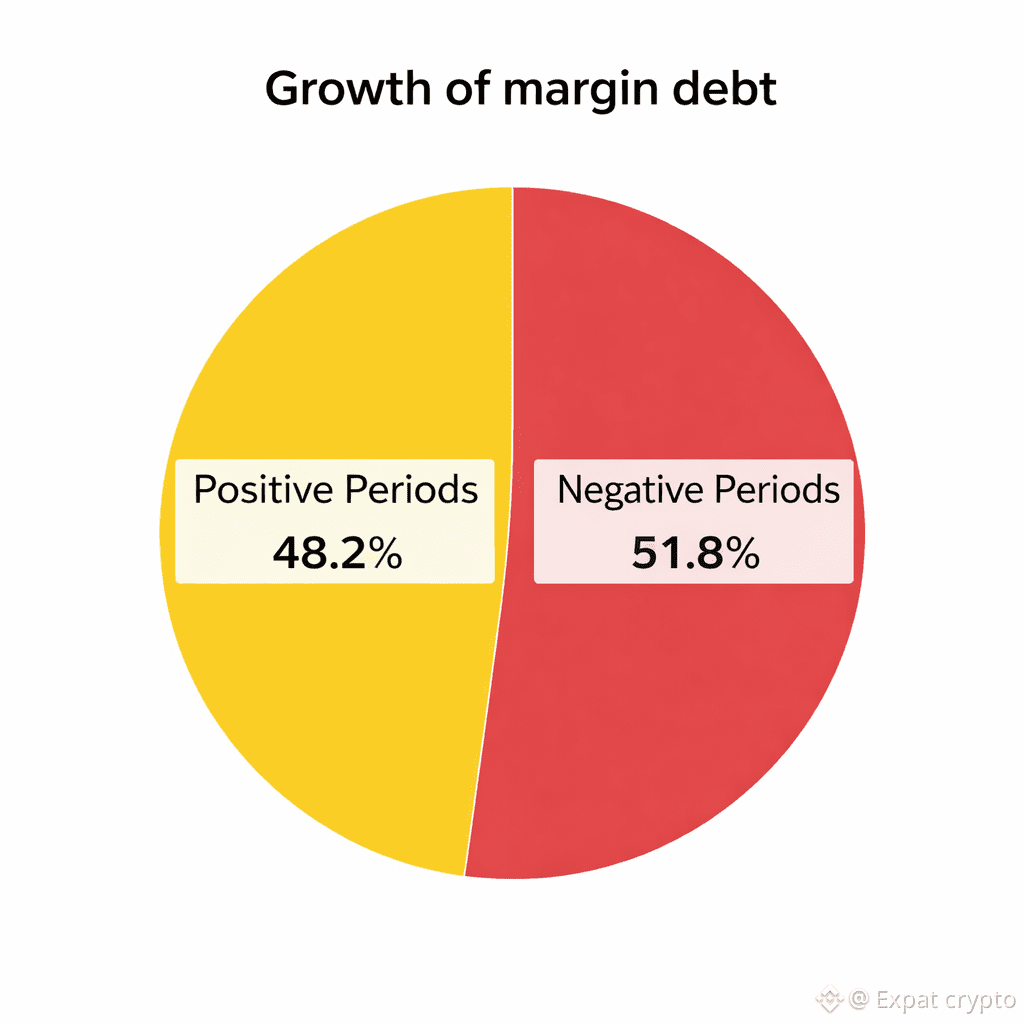
To sum up, Plasma Blockchain aims to handle stablecoin payments efficiently, offering quick results alongside solid dependability. What powers this setup? The XPL token - key to security, transaction flow, decision making, and rewarding participation. This token isn’t just sitting idle; it gains worth through actual usage across the network. With more people needing swift, trustworthy digital transfers, Plasma - and XPL within it - could become a notable part of how blockchain supports financial systems down the line.

