

Plasma XPL doesn’t treat network failures like some rare disaster. In real-world distributed systems, things go sideways all the time. Nodes drop off, messages get stuck, the network splits in two, or traffic just goes haywire. Plasma XPL knows this. Every part of it—the architecture, the way consensus works, even the economic rules—starts from the idea that something’s always breaking somewhere, and the network still has to work.
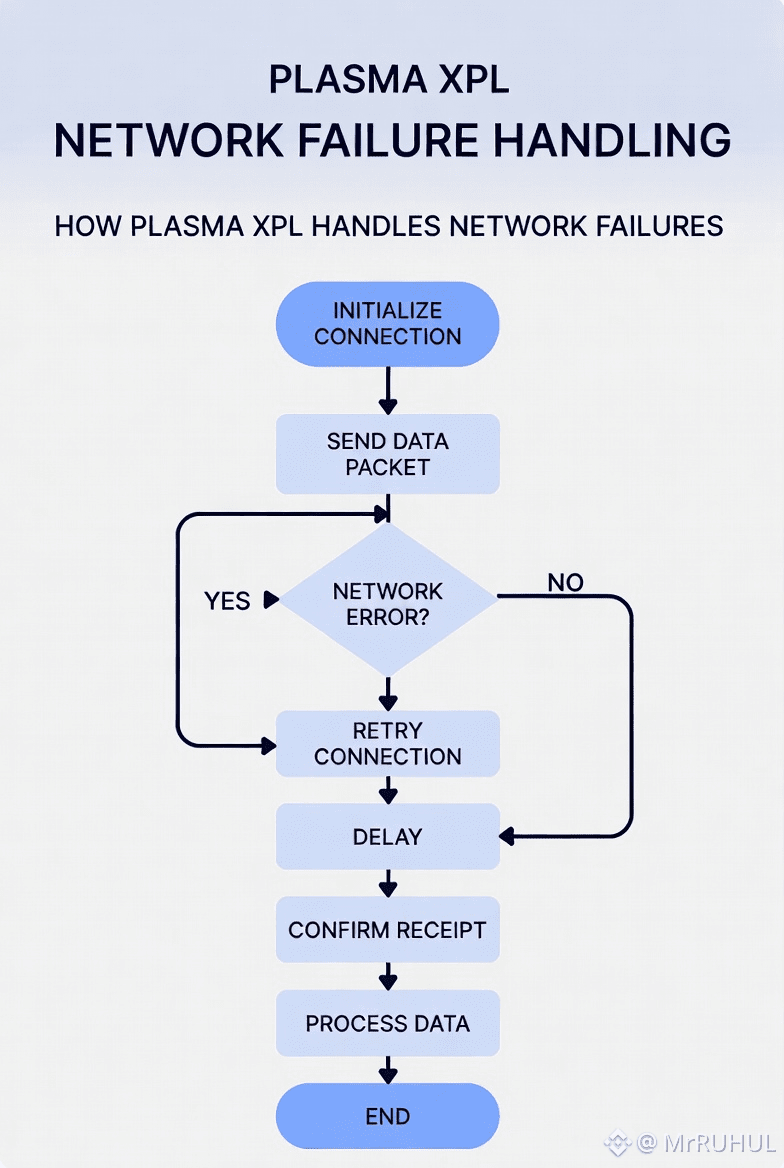
Failure isn’t just a one-off glitch. It’s the ground floor. While a lot of blockchains chase perfect uptime and only scramble when something fails, Plasma XPL builds failure into its DNA. It figures, “Hey, something’s probably down right now.” This outlook shapes everything, from how validators communicate to how changes actually get locked in.
Instead of just patching things up after a problem, Plasma XPL’s design blocks those chain-reaction disasters that freeze up other networks. When things go wrong, it doesn’t fall apart. It bends, but it doesn’t break.
Its modular design really helps here. Plasma XPL breaks everything into separate chunks—execution, consensus, data availability, settlement. If one piece has trouble, it doesn’t drag the others down with it. Say an execution node stalls out. Consensus keeps rolling. Data availability gets sketchy? Finality doesn’t just stop dead. Problems stay boxed in, and the network slows down gracefully instead of flatlining.
Consensus keeps moving even if some validators drop. Plasma XPL doesn’t need every single validator to be online at once. As long as enough honest ones show up, blocks keep coming and finality holds. That’s a lifesaver during cloud outages, regional web hiccups, or even attacks. Plasma XPL doesn’t wait for all-green lights—it just keeps working with whoever’s still there.
And here’s the kicker: if some validators disappear for a while, Plasma XPL doesn’t throw a tantrum with slashing or wild penalties. No domino effect, no pile-on when things are already rocky.
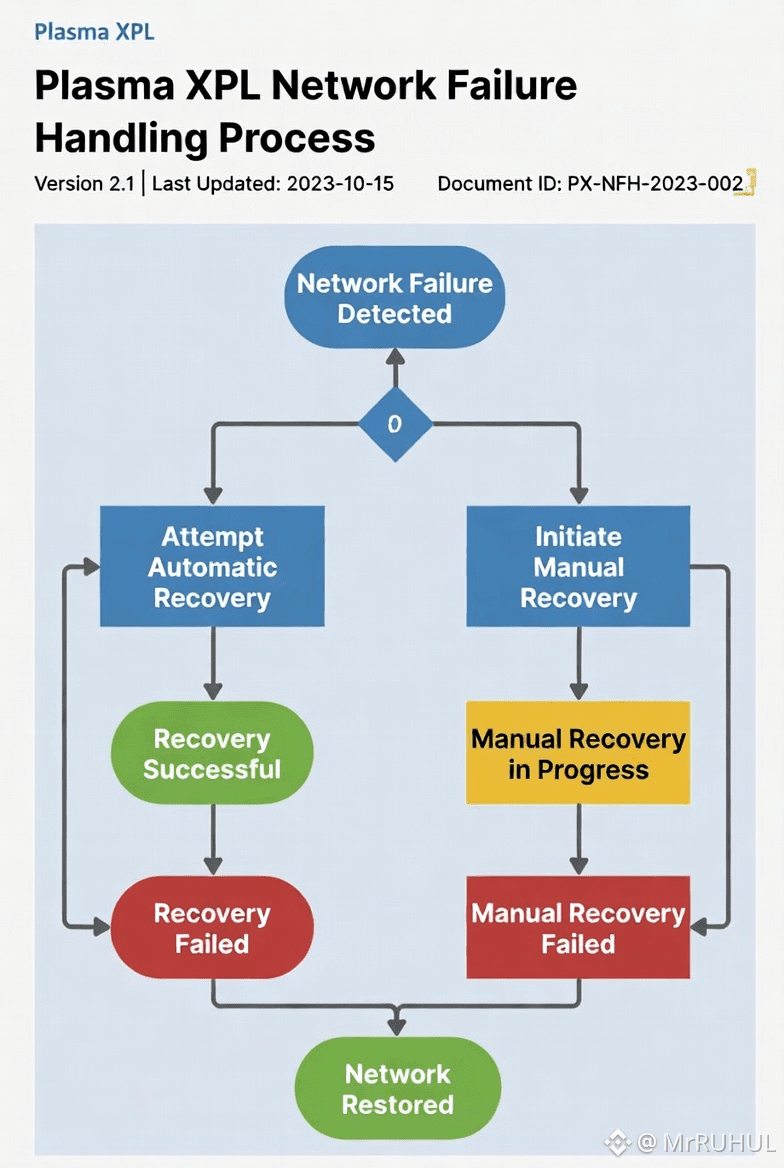
Finality is rock solid, too. Some blockchains freak out when a partition heals—suddenly, you get chain reorganizations and nobody knows what’s legit. Plasma XPL skips that drama. Once a block’s final, it’s done—no rollbacks, even if the network reconnects. That’s huge for anyone who needs serious guarantees: finance, settlement, smart contracts that stick around. You don’t have to worry about your transaction getting wiped out just because the network stitched itself back together.
When nodes drop, the data doesn’t just vanish. Plasma XPL spreads data out and double-checks it everywhere. Multiple nodes store and verify the same info, and cryptographic commitments let anyone verify things add up—no need to trust just one node. If a data provider goes dark, others step in. State transitions still get validated. The network expects messiness, not perfection.
On top of that, the incentives make sense. Validators are pushed to stay online, and if they do drop, they’re rewarded for coming back fast. There’s a penalty for being offline, sure, but it’s not about coming down hard on every little blip. Go too far with punishments, and people just walk away—that kills decentralization. Plasma XPL tries to balance things: keep people responsible, but don’t scare them off. Real resilience comes from folks sticking around, not from threats.
When the going gets rough—huge traffic spikes, spotty connections—Plasma XPL doesn’t just throw in the towel. The network might slow down, but it keeps running. Confirmations take longer, but everything stays correct and secure. That’s a lot better than broken promises or lost transactions.
And most important of all, Plasma XPL doesn’t just keep things afloat—it bounces back on its own.@Plasma #Plasma $XPL