

Most crypto conversations about speed sound the same. Faster blocks. Higher throughput. Lower latency. It all blends together after a while. Plasma takes a different approach. It does not talk about speed as a bragging right. It treats speed as a requirement for one specific job: moving stablecoins in a way that feels instant, predictable, and unremarkable. Plasma is not trying to be everything. It is trying to be the place where stablecoin transfers simply work, every time, without friction.
That framing matters because most users do not leave crypto after a big failure. They leave after small annoyances stack up. A transfer that sits pending longer than expected. A wallet that asks for gas you forgot to keep. A deposit that takes long enough to make you wonder if something broke. Plasma’s design starts from that reality. It assumes people want dollars to move like dollars, not like an experiment. The chain is built around that assumption, and PlasmaBFT is the mechanism that makes it possible.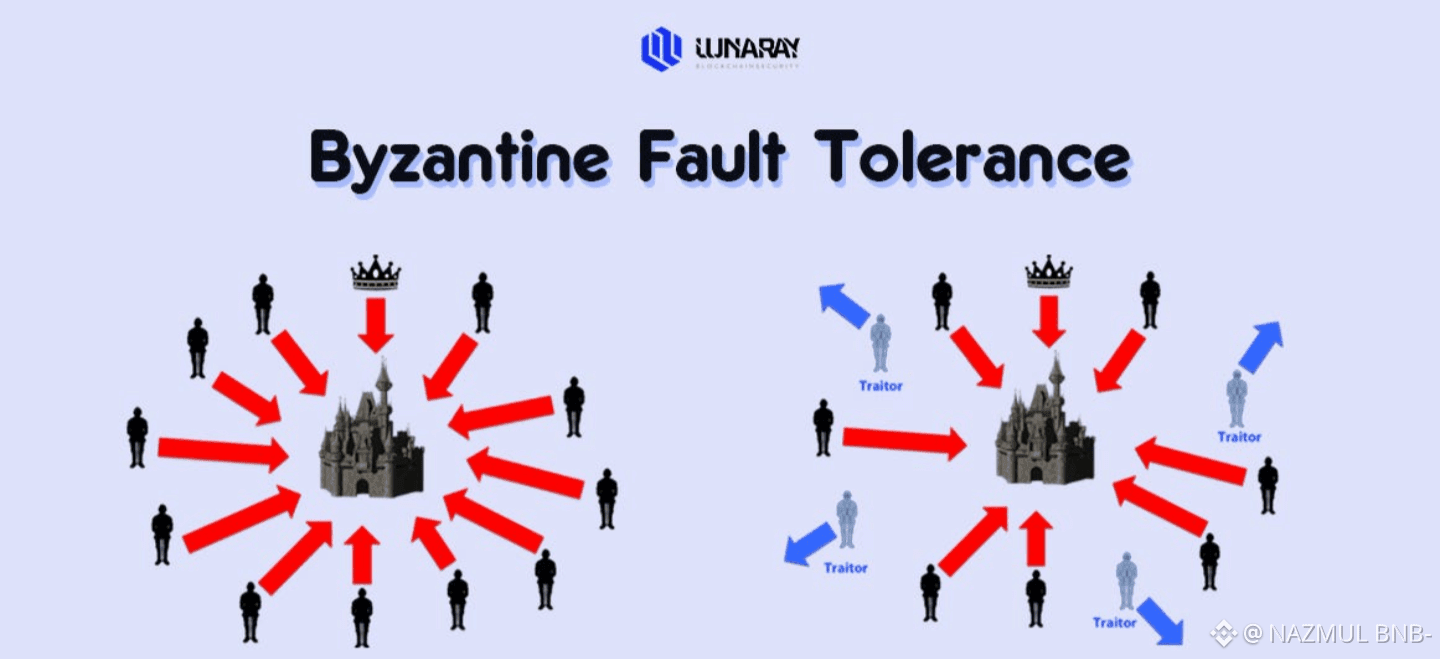
At the technical level, PlasmaBFT is where this philosophy turns into execution. It is derived from Fast HotStuff, a well-known consensus model designed to reach agreement quickly while keeping communication overhead low. Instead of waiting for each step of consensus to fully finish before moving on, PlasmaBFT overlaps those steps. While one block is being finalized, the next one is already moving forward. This pipelined approach keeps the system busy instead of idle, which is how Plasma aims to achieve very fast confirmation and short, predictable finality times.
For users, none of this needs to be understood. What matters is the outcome. When you send a stablecoin on Plasma, the network is designed so that the transaction does not sit in limbo. Finality is meant to arrive quickly and consistently, not sometimes fast and sometimes slow. That consistency is more important than headline numbers. A system that settles in a few seconds every time builds trust in a way that a system that settles in one second on average but thirty seconds under load does not.
Plasma’s focus on stablecoins also shows up outside consensus. The network is designed to reduce the small frictions that quietly push users away. Zero-fee USD₮ transfers are one example. Instead of forcing every user to manage gas balances, Plasma supports sponsored transactions. In simple terms, the system can cover the cost so the user does not have to think about it. This mirrors how people already expect digital money to work. You do not keep a separate balance just to send a bank transfer. Plasma is trying to match that mental model on-chain.
This attention to user behavior is what separates Plasma from many general-purpose chains. Most blockchains start with flexibility. They want to support every use case, every app, every asset. Payments become one feature among many. Plasma flips that order. It starts with payments, specifically stablecoin payments, and builds everything else around that goal. Speed is not a benchmark. It is a product requirement. Predictable finality is not a nice-to-have. It is the core promise.
That focus leads to tradeoffs, and Plasma is not pretending otherwise. To achieve low latency and consistent performance, the network relies on a more tightly coordinated validator set than a fully permissionless experiment would. This can raise fair questions about decentralization and governance over time. Those questions matter, especially for a system that wants to handle real value at scale. The right way to evaluate Plasma is not by assuming it has solved these tensions forever, but by watching how it manages them as usage grows.
Market data adds context but should not lead the story. XPL trades around the low twelve-cent range, with a market capitalization in the low hundreds of millions of dollars depending on the day and the data source. Circulating supply sits around 1.8 billion tokens, with a larger total supply ahead. These numbers explain where Plasma sits today, not where it is going. For a payments-focused chain, adoption matters more than price movement. Charts react to narratives. Payment rails live or die by usage.
The more interesting signals are on-chain and operational. Are stablecoin transfer volumes growing steadily, not just spiking during speculation? Do transactions remain fast during periods of heavy use? Are wallets and exchanges integrating Plasma in ways that make deposits and withdrawals feel seamless? These are the indicators that reveal whether Plasma is becoming part of real financial flows or remaining a promising idea.
The real question Plasma is asking is simple but ambitious. Can a blockchain become the default option for people who do not want to think about crypto at all? People who just want to move dollars instantly, reliably, and without surprises. If that sounds boring, that is the point. Boring systems are the ones people trust. They are the ones that survive past the first transaction.
PlasmaBFT exists to make that boredom possible. It is not designed to impress with complexity or theoretical elegance. It is designed to disappear into the background. If Plasma succeeds, users will not talk about consensus algorithms or block times. They will talk about how transfers just work. No waiting. No guessing. No friction.
In the long run, that is where durable value tends to form. Not in the loud moments of hype, but in the quiet repetition of behavior. The second transaction. The third. The hundredth. Plasma is betting that if it can win those moments, everything else follows.

